
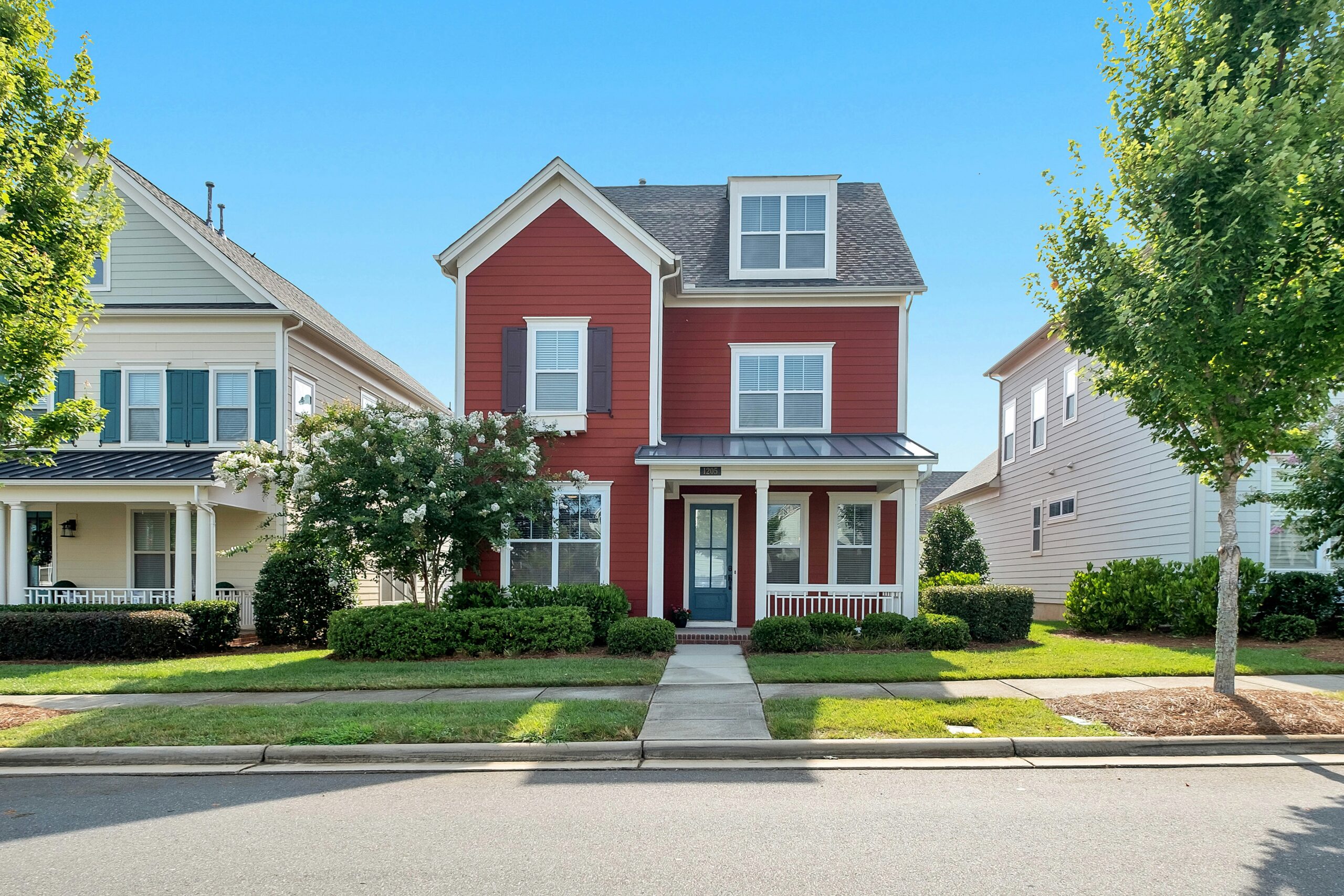
Explore whether increased deportations affect U.S. housing costs. Learn how immigration, labor, housing supply, and policy influence affordability in this in-depth analysis for homeowners, renters, and policymakers.
🏠 Introduction: The U.S. Housing Affordability Crisis
Housing affordability has become a central concern in the United States. Across major cities and suburban regions alike, renters and homebuyers are struggling with rising home prices, limited housing stock, and higher mortgage rates. Political discourse has increasingly linked these challenges to immigration, with some officials claiming that more deportations could lower housing costs.
At first glance, the reasoning seems intuitive: fewer residents mean lower housing demand, leading landlords to reduce rents and homeowners to lower prices. However, economists caution that this view oversimplifies a highly complex housing market, where supply, labor, zoning, and financing all play pivotal roles.
This article will examine the evidence, break down the economic logic, and provide readers with a comprehensive understanding of how deportation policies may — or may not — impact U.S. housing affordability.
📊 The Logic Behind the Claim
Proponents of increased deportations argue that reducing the population, particularly in immigrant-heavy areas, could:
-
Reduce competition for rental units, potentially lowering rents
-
Increase vacancies, prompting landlords to reduce prices
-
Relieve overcrowding, especially in high-demand neighborhoods
While these points have intuitive appeal, they ignore structural factors in the housing market that typically have a far larger effect on affordability.
💡 Housing Economics: Supply vs. Demand
Housing economists point out that affordability is driven primarily by supply constraints. Here’s why:
1. Limited Housing Supply
Across major urban areas, housing supply has lagged behind demand for decades. Zoning restrictions, land scarcity, and regulatory hurdles make building new homes expensive and slow. Even if a significant portion of the population is deported, the existing housing shortage ensures that prices remain high.
2. Construction Labor and Immigration
Immigrants make up a substantial segment of the U.S. construction workforce. Deportations could reduce the number of available skilled and semi-skilled workers, slowing down new housing projects. Slower construction ultimately exacerbates supply shortages, counteracting any theoretical decrease in demand.
3. Regional Variability
The U.S. housing market is not monolithic. For instance:
-
Los Angeles: Strict zoning laws and high land costs prevent significant changes in supply, even if population drops.
-
Houston: Fewer restrictions allow for faster construction, so population changes have less effect.
-
Rural areas: Even large population changes have minimal impact on national averages due to small overall demand.
🏘 Case Studies: Immigration and Housing Markets
Los Angeles
LA has one of the largest immigrant populations in the country. Advocates of deportation claim that removing residents could increase vacancy rates and reduce rents. However, high land prices and limited housing supply make any such effect small and temporary.
Miami
In Miami, international migration plays a major role in housing demand. Local studies show that even minor changes in population do not lead to substantial rent decreases, especially in high-demand neighborhoods.
Houston
Houston’s housing market is more flexible due to fewer zoning restrictions, so population decreases have a smaller effect. Analysts emphasize that building more homes is more influential than reducing population.
⚖️ Key Factors Affecting Housing Costs
Interest Rates
Rising mortgage rates reduce buying power, which can slow housing price growth. This factor often has a more immediate effect than changes in population.
Housing Supply
The availability of new homes and rental units is a primary driver of affordability. Even with fewer residents, prices will remain high if supply is constrained.
Migration Patterns
Internal migration within the U.S. often offsets decreases from deportations. For example, families moving from high-cost states like California to Texas can keep demand elevated in growing regions.
Labor Shortages
Construction relies on a stable workforce. Reduced labor availability due to deportation could slow development, ultimately keeping prices high despite lower population.
🔬 Research and Expert Analysis
-
Vacancy Effects Are Limited – Studies show that removing residents only creates short-term vacancies in localized areas, rarely affecting national housing trends.
-
Labor Shortages Can Increase Costs – Without construction workers, housing projects slow, keeping prices elevated.
-
Immigration Supports Housing Markets – Immigrants contribute economically, renting units, buying homes, and helping sustain neighborhood demand, which can stabilize prices.
Economists agree that deportations are not a reliable lever to reduce housing costs and could inadvertently worsen supply constraints.
💡 Long-Term Policy Solutions
For sustainable housing affordability, experts recommend supply-side solutions, including:
-
Zoning reform to allow higher-density development
-
Tax incentives for developers to build affordable housing
-
Infrastructure investment to support new neighborhoods
-
Workforce support to ensure labor availability for construction
These measures address the root causes of housing unaffordability, unlike population reduction strategies, which offer minimal and temporary relief.
🏡 Additional Considerations
Social and Economic Impacts
Deportation policies can affect local economies, particularly industries reliant on immigrant labor, including:
-
Construction
-
Hospitality
-
Agriculture
Removing workers in these sectors can slow economic growth and indirectly impact housing supply.
Market Volatility
Short-term population reductions may slightly impact local rental markets, but national housing trends are driven more by interest rates, construction, and migration patterns than deportation policies.
💬 Expert Opinions
-
Urban Economists: Emphasize that housing affordability is largely determined by supply and labor availability, not just population.
-
Housing Advocates: Call for long-term policies like rent control, affordable housing construction, and public-private partnerships.
-
Policy Analysts: Stress that immigration enforcement alone is insufficient to address national housing challenges.
🌐 Conclusion: Deportations vs. Housing Affordability
The debate over deportations and housing costs highlights a crucial point: housing affordability is complex and multifaceted.
While reducing population may have minor, localized effects, long-term affordability requires a holistic approach:
-
Increase housing supply
-
Support construction labor availability
-
Implement smart zoning policies
-
Address interest rates and financing access
Ultimately, policymakers, homeowners, and renters should focus on structural solutions rather than relying on immigration enforcement to solve the housing crisis.
🔗 Sources
-
Wall Street Journal: Do More Deportations Mean Lower Housing Costs?
-
Stateline: Despite Trump’s Claim, Deportations Likely Wouldn’t Ease Housing Crisis, Most Experts Say
-
Politifact: Housing Affordability, Supply, and Immigration



0 Comments