
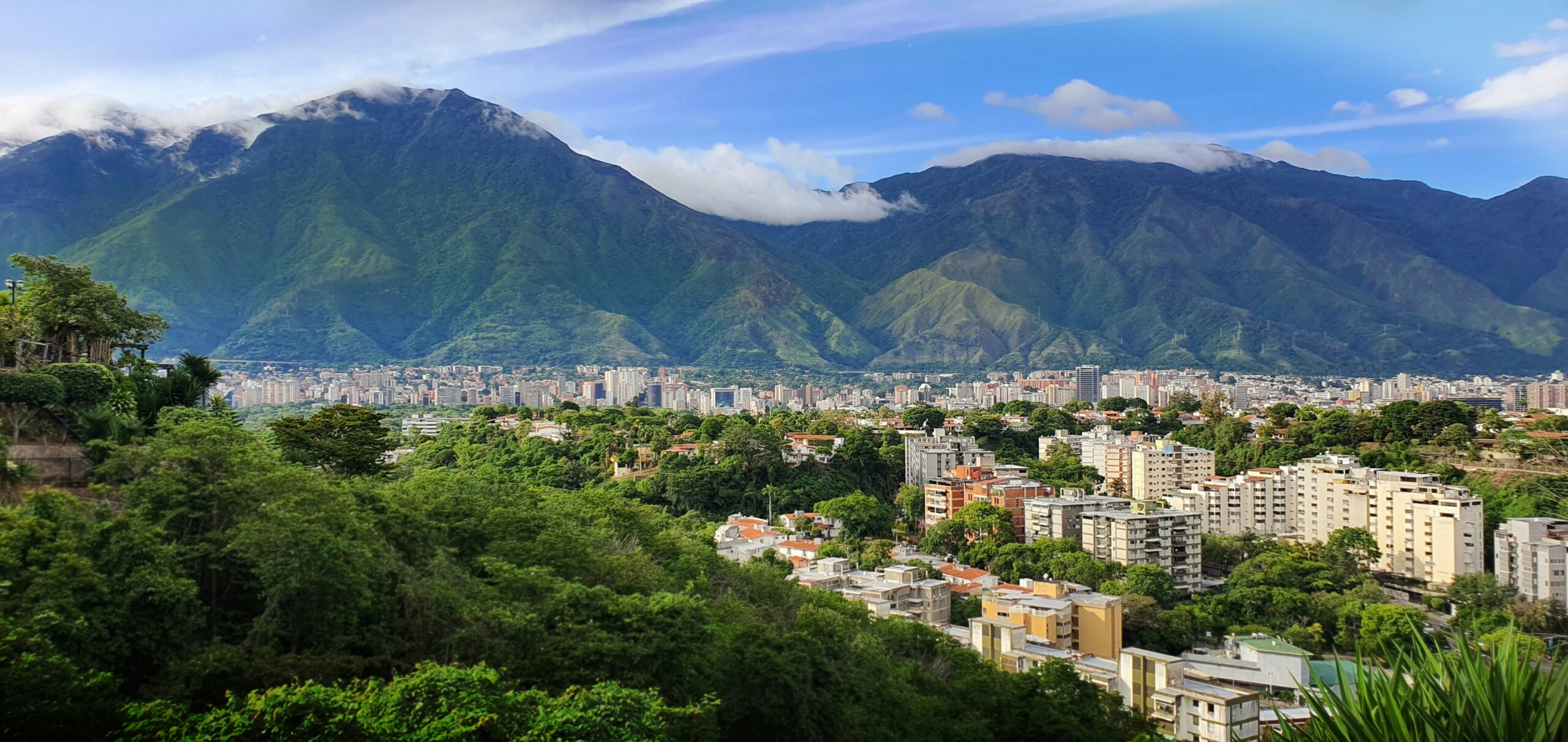
Explore Venezuela’s cautious economic revival and the ongoing political uncertainty. Learn how markets, foreign investment, and social factors are shaping the nation’s path to stability.
🇻🇪 Venezuela’s Economic Revival: Hope for Growth Amid Political Uncertainty
Venezuela, a country long known for economic collapse, hyperinflation, and political unrest, is beginning to see signs of recovery. After decades of hardship, citizens are cautiously optimistic about improvements in daily life and the economy, even while democracy remains fragile.
In this in-depth analysis, we explore Venezuela’s economic revival, the ongoing challenges to democracy, and what the future might hold for a nation trying to rebuild after years of crisis.
📊 Economic Recovery: Signs of Progress
For years, Venezuelans suffered through hyperinflation, severe shortages of food and medicine, and declining living standards. Recent changes have brought tangible improvements:
-
Price stabilization: Markets in Caracas and other major cities report more predictable prices for essential goods such as rice, meat, and produce.
-
Increased market activity: Small businesses are reopening, stimulating local economies and providing job opportunities.
-
Currency influx: U.S. dollars and foreign currency circulation have reduced dependence on the weak bolívar, giving citizens better purchasing power.
Economists suggest that if these trends continue, Venezuela could experience a gradual but meaningful increase in household income and a rebound in domestic consumption.
💹 Inflation and Currency Trends
Hyperinflation devastated Venezuela’s economy for over a decade, reducing the value of the bolívar to nearly worthless levels. Recent stabilization efforts include:
-
Dollarization of daily transactions, especially in urban centers.
-
Control over supply chains, reducing artificial scarcity that drove up prices.
-
International trade agreements, which help increase the flow of essential goods.
While inflation remains higher than the global average, these steps mark a significant improvement and restore hope that everyday Venezuelans can afford basic necessities without extreme hardship.
💼 Foreign Investment: A Key Driver of Recovery
Foreign investment has played a pivotal role in Venezuela’s economic revival:
-
Oil sector recovery: Investment from the United States and other countries is helping restore Venezuela’s key revenue source.
-
Business reopening: Entrepreneurs are returning to cities like Caracas and Maracaibo, revitalizing commerce.
-
Infrastructure projects: Foreign funds are aiding in repairs to electricity, water, and transportation networks, which were severely neglected.
Experts note that foreign engagement is essential for economic recovery, but it must be paired with governance reforms to ensure long-term stability.
🏛️ Democracy in Limbo
While the economy shows signs of recovery, political reform lags behind:
-
Elections: Free and fair elections have not yet been fully implemented, leaving citizens uncertain about representation.
-
Judicial independence: Courts continue to be influenced by political authorities, limiting checks and balances.
-
Civil liberties: Press freedom and citizen rights remain partially restricted, hampering public discourse and accountability.
Many Venezuelans feel that economic gains alone are insufficient without accompanying democratic reforms that ensure transparency, accountability, and citizen participation.
🏪 Daily Life: Cautious Optimism
The economic revival has tangible effects on daily life:
-
Food availability: Supermarkets and markets report higher availability of essential goods.
-
Job opportunities: Small businesses are re-opening, offering new employment options.
-
Consumer sentiment: Citizens are more willing to spend and invest in their communities, reflecting growing confidence in the short-term economy.
Despite these improvements, uncertainty over politics and governance tempers optimism, leaving many Venezuelans feeling hopeful but cautious.
🤝 U.S. and International Influence
The United States and other international actors have had a major impact on Venezuela’s recovery:
-
Economic stabilization: U.S. investment and trade agreements have helped ease supply constraints.
-
Diplomatic engagement: International pressure encourages transparency in governance and market reforms.
-
Balanced priorities: Critics caution that focusing on economic recovery over democratic reform could leave political institutions weak.
Foreign involvement has sparked debate about whether economic stabilization should take precedence over immediate political reform, but for many citizens, the return of daily normalcy is a priority.
💬 Voices from the Streets
Citizens provide unique insights into the dual reality of economic hope and political uncertainty:
-
“Prices are finally more predictable, and I can afford groceries without worrying every day,” says Maria Gonzalez, a Caracas resident.
-
“I feel safer in the markets, but we still don’t know if our votes will ever truly matter,” notes Carlos Ramirez, a small business owner.
-
Families express relief in everyday life but maintain skepticism about long-term political stability.
These perspectives show that while immediate quality of life is improving, trust in governance and democracy remains fragile.
🔄 Challenges Ahead
Despite progress, Venezuela faces significant challenges:
-
Maintaining economic momentum: Inflation control, currency stability, and access to essentials remain critical.
-
Strengthening democratic institutions: Free elections, judicial independence, and civil liberties are necessary for political legitimacy.
-
Infrastructure rebuilding: Decades of neglect require investment in electricity, water, healthcare, and transportation.
-
Social reconciliation: Deep political divisions demand efforts to restore trust and community cohesion.
Addressing these challenges will require coordinated efforts from local leaders, citizens, and international partners.
🛢️ Oil Sector: The Backbone of Recovery
Venezuela’s oil industry is central to economic revival:
-
Production stabilization: U.S. and global investment has helped restore output levels.
-
Revenue for government and public services: Oil exports fund infrastructure, education, and healthcare projects.
-
Challenges remain: Aging infrastructure and corruption must be addressed to ensure sustainable growth.
Recovery of the oil sector is a double-edged sword—it drives the economy but also creates dependency on a volatile global market.
🌎 Remittances and Global Ties
Many Venezuelans abroad continue to support families at home through remittances:
-
Boost to household income: Dollars sent from abroad supplement salaries and help purchase essentials.
-
Economic stabilization: Remittances provide foreign currency inflows, aiding the bolívar and local markets.
-
Diaspora engagement: Venezuelans overseas advocate for reforms and maintain ties to local communities.
Remittances are a crucial lifeline, bridging gaps while the domestic economy rebuilds.
⚖️ Balancing Growth and Democracy
Venezuela’s economic revival demonstrates a delicate balance:
-
Economic growth can improve daily life but cannot substitute for political reform.
-
Democratic institutions must evolve alongside markets to ensure long-term stability.
-
Citizen trust and civic engagement are essential for sustainable recovery.
Without attention to both sides, short-term gains could be undermined by political fragility.
📈 Indicators to Watch
To assess Venezuela’s progress, analysts monitor:
-
Inflation and prices: Stability in essential goods is a key indicator of recovery.
-
Employment levels: Growth in small business activity signals market confidence.
-
Political reform progress: Independent elections, judicial autonomy, and press freedom remain critical.
-
Foreign investment inflows: Continued engagement ensures resources for growth.
Tracking these metrics will reveal whether Venezuela’s economic revival is sustainable or vulnerable to political setbacks.
💡 Lessons from Venezuela
Venezuela offers insights for countries recovering from crisis:
-
Economic stabilization precedes political reform: Citizens prioritize immediate survival over democratic institutions.
-
Foreign engagement must support governance: Investment helps the economy but cannot replace political reform.
-
Public trust is critical: Economic gains alone do not secure citizen confidence in leadership.
These lessons are relevant for policymakers, investors, and international organizations seeking post-crisis strategies.
🧭 The Road Forward
The future of Venezuela depends on:
-
Sustaining economic growth: Inflation, employment, and infrastructure must continue to improve.
-
Building robust democratic institutions: Free elections, independent courts, and civil liberties are essential.
-
Encouraging civic engagement: Active participation ensures accountability and trust.
-
Leveraging foreign support responsibly: Investment should complement domestic governance, not replace it.
The nation’s success hinges on balancing economic recovery with political reform.
🔑 Key Takeaways
-
🇻🇪 Venezuela is showing economic improvement: lower prices, more goods, and higher consumer confidence.
-
🏛️ Democracy remains fragile, with limited electoral reforms and judicial independence.
-
💼 Foreign investment, particularly in oil, is driving recovery but must be paired with governance improvements.
-
⚖️ Citizens are cautiously optimistic, balancing hope for better daily life with skepticism about political change.
-
🔄 Long-term stability depends on coordinated economic, political, and social reforms.
🔗 Source:
Wall Street Journal: “Venezuelans Suddenly Have Hope for the Economy. Less So for Democracy.”



0 Comments