
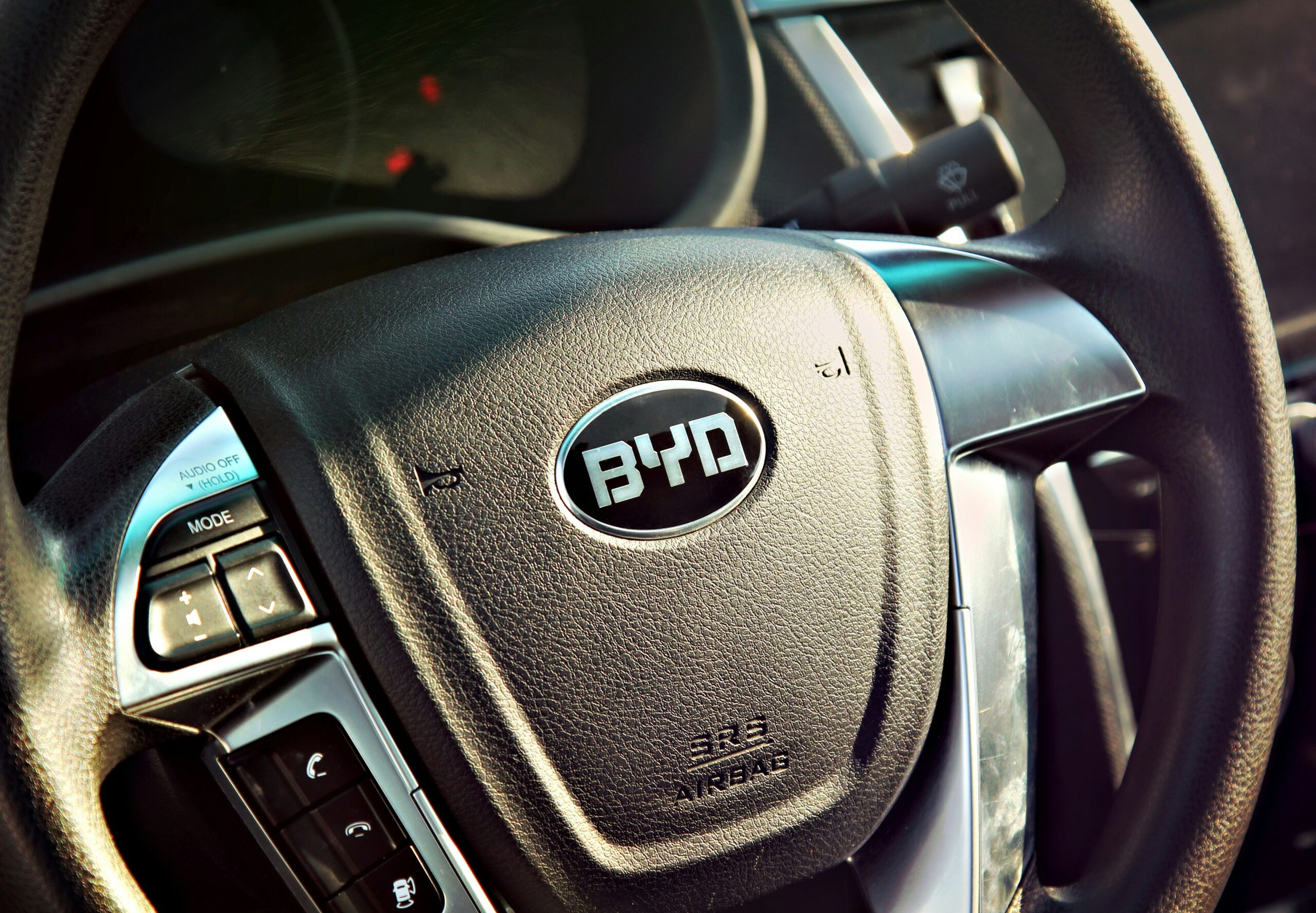
BYD surpasses Tesla as Chinese EVs conquer global markets despite tariffs. Discover how China’s electric vehicles, trade strategy, and battery dominance are reshaping the future of cars.
🌍 Introduction: Chinese EVs Take Over the Global Auto Market
The global electric vehicle (EV) race is no longer dominated by the U.S. or Europe. Chinese automakers, led by BYD, are exploding onto the global stage, overtaking Tesla in sales, and expanding rapidly into Europe, Latin America, Southeast Asia, and beyond.
Even amid high tariffs, protectionist trade policies, and political pushback, Chinese EVs are winning over consumers worldwide thanks to low prices, advanced technology, and strategic global expansion.
This isn’t just a story about cars—it’s a geopolitical and economic showdown, reshaping the future of transportation, manufacturing, and global trade.
⚡ BYD vs Tesla: The Battle for Global EV Supremacy
Tesla may have pioneered the modern EV revolution, but BYD is now outpacing Tesla in sales and market penetration.
🔹 Tesla Advantages:
-
Brand recognition and loyalty
-
Cutting-edge software and autopilot tech
-
U.S.-centric charging network
🔴 BYD Advantages:
-
Lower manufacturing costs
-
Vertical integration from battery to car
-
Massive domestic and emerging market scale
-
Diverse product lineup across price ranges
BYD’s strategy focuses on volume, affordability, and global expansion, while Tesla remains largely premium-focused, making BYD the unstoppable challenger.
🧱 Global Tariffs: Obstacles That Chinese EVs Are Overcoming
Governments have imposed tariffs to shield local automakers, but BYD and other Chinese EV manufacturers are finding ways around them:
-
🇺🇸 United States: High tariffs keep most Chinese EVs out of U.S. lots.
-
🇪🇺 European Union: Anti-subsidy duties of up to 45% aim to protect European EV makers.
-
🌎 Emerging Markets: Brazil, Mexico, India, and Southeast Asia have varying tariffs—but they are smaller hurdles for Chinese exports.
Even with tariffs, BYD’s low-cost production and strategic pricing make Chinese EVs highly competitive.
🏗️ Expansion Beyond China: Building Global Factories
Chinese automakers are planting factories overseas to avoid tariffs and secure new markets:
-
🇭🇺 Hungary: Production hub for EU distribution
-
🇧🇷 Brazil: Targeting Latin American expansion
-
🇹🇭 Thailand & 🇮🇩 Indonesia: Southeast Asian growth
-
🇹🇷 Turkey: Gateway to Europe and Middle East
By producing locally, BYD bypasses tariffs, reduces shipping costs, and qualifies for local subsidies—all while strengthening its global footprint.
🔋 Batteries: The Secret Weapon
The EV revolution is ultimately powered by batteries, and China dominates this sector:
-
Leading in lithium and nickel production
-
Controlling battery cell manufacturing
-
Innovating battery chemistry for higher efficiency and longer life
BYD’s in-house batteries provide cost control, supply security, and technological superiority, leaving Western automakers scrambling to catch up.
📉 Legacy Automakers Under Siege
Traditional automakers are facing unprecedented pressure:
-
Shrinking profit margins due to low-cost Chinese competition
-
Overcapacity in Europe and North America
-
Delayed EV rollouts
-
Heavy reliance on subsidies
Even giants like Volkswagen, BMW, and Ford are adapting their strategies or partnering with Chinese manufacturers to survive.
🌐 Emerging Markets: A Goldmine for Chinese EVs
While the U.S. and Europe fight trade wars, the real growth lies in emerging markets:
-
Southeast Asia: Affordable, durable EVs are booming
-
Latin America: BYD dominates urban fleet sales
-
Middle East & Africa: Early adoption of Chinese EV tech
These markets are tariff-friendly, less competitive, and perfect for rapid expansion.
🔄 Tesla’s Strategic Pivot: Fighting Back
Tesla is responding with:
-
Supply chain restructuring to reduce geopolitical risk
-
Sourcing outside China to avoid tariffs
-
Expanding software and autonomy features as differentiation
However, Tesla faces intense pressure from a global competitor that dominates both supply and price.
🌟 Why BYD’s Rise Signals a New Global Order
Chinese EV dominance is no accident. BYD combines:
-
Scale: High production capacity
-
Cost advantages: Affordable vehicles without compromising quality
-
Supply chain control: Batteries and components under one roof
-
Strategic patience: Expanding globally despite political resistance
This is a tectonic shift in the auto industry. BYD’s rise shows that tariffs, politics, and Western competition cannot stop China’s EV expansion.
🔮 The Future: Electric Cars as Geopolitical Power
The global EV market is no longer just about technology or cars—it’s a geopolitical and industrial battlefield:
-
Consumers benefit from lower prices, faster innovation, and more choices
-
Governments compete for industrial dominance and strategic influence
-
Legacy automakers must innovate or risk irrelevance
Tariffs may slow Chinese EVs, but they cannot stop the momentum of BYD, Nio, XPeng, and other Chinese brands.
🧾 Conclusion: BYD vs Tesla Is More Than Cars—It’s Global Power
BYD is overtaking Tesla because it understands the intersection of technology, economics, and geopolitics. Chinese EVs are:
-
Smashing tariffs
-
Conquering emerging markets
-
Dominating battery tech
-
Reshaping consumer expectations
The global auto industry has entered a new era, and BYD is leading the charge.
The question is no longer “if” Chinese EVs dominate the world—but how quickly.
🔗 Direct Source:
https://www.wsj.com/business/autos/china-cars-tariffs-byd-tesla-fa18066f




0 Comments