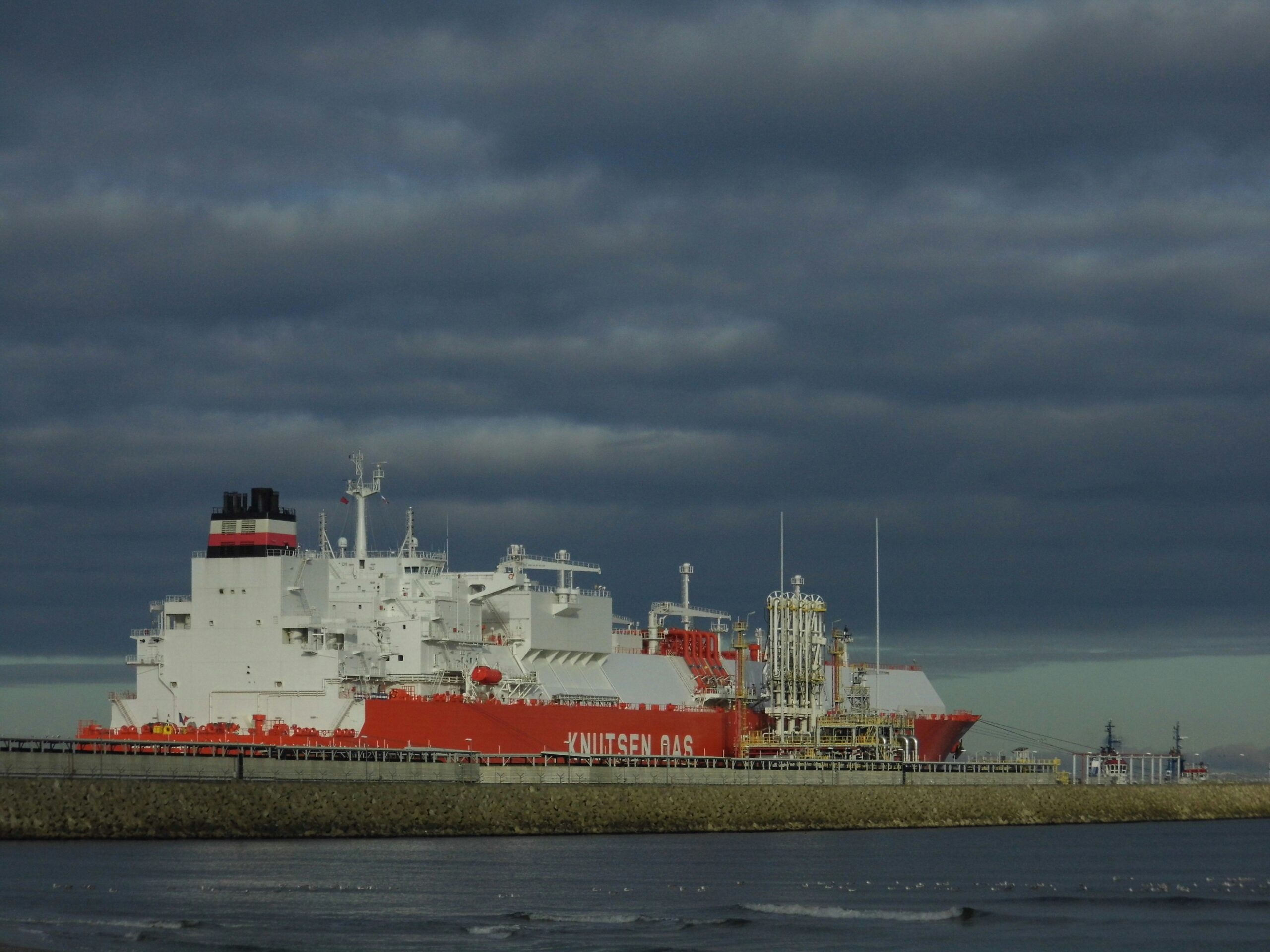
U.S. Oil Blockade on Venezuela Cuts Off China and Cuba: Global Energy & Geopolitics Impact ⛽🌎
U.S. oil blockade on Venezuela disrupts exports to China and Cuba, reshaping global energy markets, geopolitical relations, and international oil supply chains in 2026.
Focus Keywords:
Venezuela oil blockade, U.S.-Venezuela sanctions, China Venezuelan oil, Cuba fuel crisis, global oil market disruption, Maduro oil exports, Venezuelan crude 2026, U.S. energy strategy
Introduction: A New Era of Oil Geopolitics 🌍⛽
In 2026, the United States has escalated its energy and geopolitical pressure on Venezuela, implementing a comprehensive oil blockade that has severely restricted crude exports to long-term partners China and Cuba. This blockade marks a dramatic shift in the global energy landscape, affecting international oil supply chains, global markets, and regional geopolitics.
Venezuelan oil, once a cornerstone of trade with Asia and the Caribbean, is now largely rerouted to meet U.S. strategic and domestic energy needs, creating tension with traditional importers. This article explores the U.S.-Venezuela oil conflict, its global implications, and how markets, governments, and industries are responding.
1️⃣ Background: Venezuela’s Oil Industry and Global Partnerships 🛢️
Venezuela holds one of the largest proven oil reserves in the world, estimated at over 300 billion barrels. For decades, its economy has heavily relied on oil exports, with major partners including China, Cuba, and India.
-
China: Historically the largest importer of Venezuelan crude, often purchased at discounted rates to support bilateral relations.
-
Cuba: Relies on Venezuelan oil for electricity, transportation, and essential services.
-
U.S. Influence: Previous sanctions and policy maneuvers have long aimed to limit Venezuela’s ability to sell oil freely on the international market.
With the 2026 blockade, these established trade networks have been severely disrupted, forcing a reallocation of resources, rerouting of tanker fleets, and global supply adjustments.
2️⃣ The 2026 U.S. Oil Blockade: Strategic Goals 🇺🇸🛳️
The U.S. blockade aims to maximize leverage over the Maduro regime while securing energy access for American interests:
-
Control Venezuelan exports: The U.S. restricts Venezuela’s ability to sell crude to China and Cuba.
-
Dominate strategic oil routes: The seizure and monitoring of “shadow fleet” tankers ensures compliance with sanctions.
-
Political leverage: Pressure Maduro to alter domestic policies and negotiate under U.S. terms.
This aggressive energy strategy signals Washington’s intent to assert dominance over global oil flows, potentially reshaping energy geopolitics in Latin America and Asia.
3️⃣ Impact on China: Loss of Discounted Crude 🇨🇳🛢️
China’s energy imports from Venezuela are substantial, providing a consistent source of discounted crude. The blockade has led to:
-
Immediate shortages: China must now source alternative crude from Canada, Saudi Arabia, and Russia.
-
Higher costs: Disruption of discounted Venezuelan barrels increases import expenses.
-
Strategic tensions: Beijing views U.S. control over Venezuelan exports as geopolitical bullying, heightening U.S.-China energy tensions.
Energy analysts predict that China may respond by diversifying imports aggressively, investing in alternative oil production, and strengthening relationships with non-U.S.-aligned producers.
4️⃣ Impact on Cuba: Critical Fuel Shortages 🇨🇺⚡
Cuba relies heavily on Venezuelan oil for electricity, transportation, and industrial operations. The U.S.-imposed blockade has led to:
-
Fuel rationing across public and industrial sectors.
-
Potential blackouts, affecting urban centers and essential services.
-
Political unrest risks, as energy shortages compound existing economic challenges.
Cuban authorities are exploring alternative suppliers, but logistical challenges and global market constraints make immediate replacement of Venezuelan oil extremely difficult.
5️⃣ Global Oil Market Disruption 🌐💹
The blockade has ripple effects across international crude markets:
-
Supply contraction: Venezuelan exports plummet, tightening global supply.
-
Price volatility: Short-term market reactions include price spikes in Asia and potential stability risks in the Caribbean.
-
Investor uncertainty: Global energy markets adjust, factoring in risk premiums for geopolitical tensions.
Experts warn that prolonged disruption could reshape oil trade routes and pricing mechanisms, particularly for Asia and Latin America.
6️⃣ Political and Geopolitical Ramifications 🏛️🌎
The blockade extends beyond energy economics, affecting international diplomacy and regional stability:
-
U.S.-China relations: Rising tension as China perceives the blockade as a direct challenge to its energy security.
-
Latin American alliances: Neighboring countries are monitoring U.S. actions, potentially adjusting trade policies and energy strategies.
-
Maduro regime resilience: Despite sanctions, Venezuela signals a continued defense of sovereignty, complicating diplomatic resolutions.
This complex scenario illustrates how energy policy and geopolitics are deeply intertwined, with oil as a central tool of influence.
7️⃣ Economic Consequences for Venezuela 💰📉
Venezuela’s economy is highly dependent on oil revenues. The blockade creates:
-
Revenue loss: Significant drop in foreign currency inflows.
-
Inflation pressures: Scarcity of imported goods drives domestic price increases.
-
Production challenges: Oil infrastructure requires investment; restricted revenues hinder maintenance.
The Maduro government may pursue new alliances or illicit export channels to mitigate losses, but U.S. oversight and sanctions create significant obstacles.
8️⃣ Strategic Responses and Alternatives 🔄🛢️
For China:
-
Diversify oil imports
-
Strengthen domestic refining capacity
-
Increase investment in non-U.S.-controlled producers
For Cuba:
-
Short-term rationing and fuel conservation
-
Explore partnerships with alternative suppliers in Latin America
-
Increase focus on renewable energy adoption
For Venezuela:
-
Seek non-U.S.-aligned buyers
-
Leverage international diplomacy to challenge sanctions
-
Optimize domestic refinery operations
9️⃣ Long-Term Implications for Global Energy Security 🌏⚡
The blockade highlights several long-term trends:
-
Energy as a geopolitical weapon: Countries may increasingly use oil supply restrictions to exert political influence.
-
Diversification of oil sourcing: Importers are incentivized to reduce reliance on politically sensitive producers.
-
Investment in alternatives: Renewable energy adoption may accelerate as nations seek energy independence.
Global analysts predict heightened volatility in oil markets over the next 3–5 years as new supply chains emerge.
10️⃣ Conclusion: A Turning Point in Global Oil Dynamics 🛢️🌎
The U.S. oil blockade on Venezuela represents one of the most aggressive interventions in global oil markets in recent history. By cutting off China and Cuba from Venezuelan crude, the U.S. has:
-
Asserted geopolitical influence
-
Altered global supply chains
-
Triggered regional energy and political instability
For global investors, policymakers, and energy strategists, this blockade is a critical case study in how energy policy shapes international relations and market dynamics.
Key Takeaways: ✅
-
Venezuela’s oil exports to China and Cuba have been drastically reduced.
-
Global oil markets are adjusting to supply contraction and price volatility.
-
Long-term energy security will require diversification and strategic planning.
-
Political tensions between the U.S., China, and Latin American countries may escalate.
Direct Source:
Wall Street Journal – U.S. Blocks Venezuelan Oil Exports to China and Cuba




0 Comments