
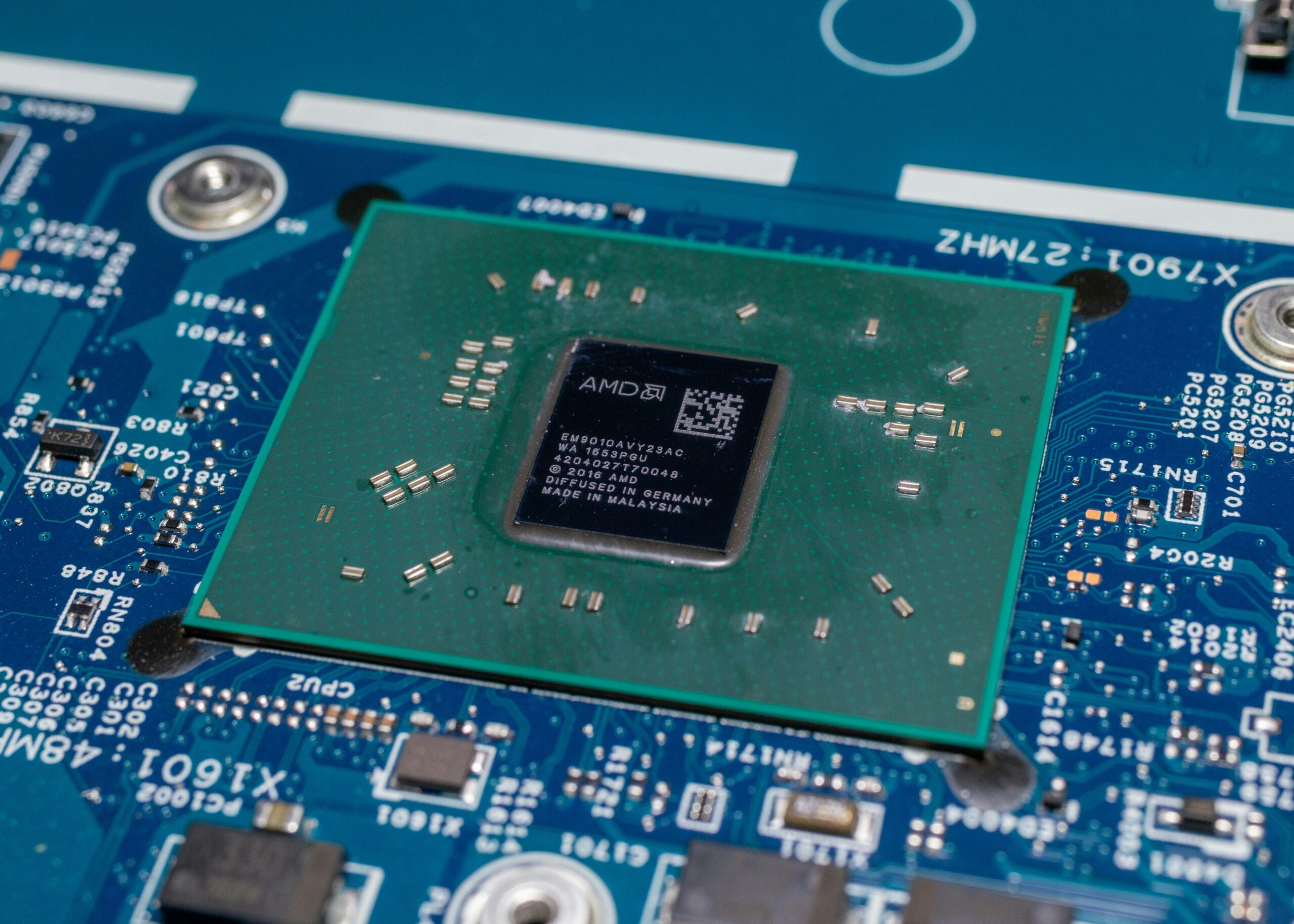
Discover how the 2026 AI memory shortage impacts DRAM and HBM markets, Micron, Nvidia, Samsung strategies, and future AI infrastructure trends. Learn what rising prices mean for tech industries globally.
📌 Introduction: The AI Memory Boom
Artificial Intelligence (AI) is reshaping the technology landscape in 2026, driving an unprecedented demand for memory chips, particularly High Bandwidth Memory (HBM) and DRAM. AI workloads, from large language models to advanced neural network training, require memory with exceptional speed and capacity. Companies like Micron Technology, Samsung Electronics, and SK Hynix are racing to meet the needs of hyperscale cloud providers, AI startups, and GPU manufacturers like Nvidia.
The result: a global memory shortage affecting multiple industries, from data centers to consumer electronics. Prices are rising, supply chains are strained, and the market is witnessing rapid realignment.
🧠 Understanding the AI Memory Supply Crunch
What Is HBM and Why It Matters
High Bandwidth Memory (HBM) is a next-generation memory technology designed to deliver faster data transfer rates and lower latency compared to standard DRAM. HBM modules are stacked vertically using 3D packaging technology, allowing more memory in a smaller footprint—a critical requirement for AI accelerators, GPUs, and high-performance computing (HPC).
-
Standard DRAM: Lower cost, widely used in PCs and servers
-
HBM: Premium, high-speed memory for AI and HPC workloads
The production of HBM is complex and resource-intensive, making it difficult for manufacturers to scale quickly in response to surging AI demand.
Why Shortages Are Happening
Several factors converge to create the current shortage:
-
AI-Driven Demand Explosion: Training large AI models like generative AI and LLMs requires enormous memory capacity, often ten times more than traditional applications.
-
Limited Production Capacity: HBM fabrication is specialized; there are few fabs globally capable of producing large volumes efficiently.
-
Supply Chain Constraints: Ongoing geopolitical tensions and raw material scarcity (such as silicon wafers and high-purity chemicals) limit production flexibility.
-
Prioritization of High-Margin AI Products: Manufacturers like Micron, Samsung, and SK Hynix are allocating most HBM production to AI customers, leaving other markets underserved.
💹 Micron Technology: The AI Memory Strategist
Micron has positioned itself at the forefront of the AI memory market:
-
AI-Focused DRAM and HBM Production: Redirecting resources from consumer memory to AI-oriented high-margin products.
-
Strategic Partnerships: Collaborating with cloud providers and AI hardware manufacturers to secure long-term supply contracts.
-
Innovation: Investing in next-generation HBM4 and HBM5 technologies capable of handling future AI workloads.
Micron’s focus on AI memory is paying off: revenue from enterprise and AI segments has surged, stock performance has strengthened, and market share in high-end memory is expanding.
🖥️ Samsung and SK Hynix: Competing in the AI Memory Race
Samsung Electronics and SK Hynix are also actively responding to the AI memory shortage:
-
Samsung: Expanding HBM wafer output, securing long-term AI server contracts, and pioneering HBM4/HBM5 technologies.
-
SK Hynix: Prioritizing AI workloads, enhancing fab capacity, and collaborating with GPU manufacturers to ensure memory supply aligns with next-gen AI accelerators.
Both companies are benefiting from high memory prices, which improve profit margins but put pressure on other markets like consumer electronics and gaming.
⚡ Market Implications of the AI Memory Shortage
Soaring Memory Prices
DRAM and HBM prices are climbing rapidly:
-
DRAM: Projected 50–55% year-over-year increase, driven by AI demand.
-
HBM: Scarce supply is inflating prices, particularly for modules used in Nvidia and AMD GPUs.
These price surges are impacting server costs, data center expansion plans, and AI research budgets globally.
Consumer Electronics Impact
Memory shortages are trickling down to:
-
Smartphones: Higher memory prices may increase retail costs for flagship devices.
-
PCs and Laptops: Limited HBM availability affects high-performance laptops for gaming and professional use.
-
Gaming Consoles: Scarcity of high-speed memory may delay product launches and limit inventory.
AI and Cloud Computing
Cloud providers and AI startups face higher infrastructure costs. With memory being a critical bottleneck, companies may need to:
-
Optimize AI workloads for available memory
-
Delay certain AI projects until supply stabilizes
-
Pay premium prices to secure HBM modules
GPU Availability
High-end GPUs, particularly Nvidia’s AI-optimized GPUs, are in short supply. HBM scarcity directly affects server-grade GPUs and workstation cards, leading to limited availability and rising prices for gaming and professional AI users.
🌐 Global Market Dynamics
The AI memory shortage is reshaping the semiconductor landscape:
-
Geopolitical Concentration: Memory production is concentrated in South Korea, Taiwan, and the U.S., increasing vulnerability to supply disruptions.
-
Investment Acceleration: Companies are building new fabs, but it will take years before production meets demand.
-
Technological Innovation: Next-generation memory technologies, including HBM4 and HBM5, are being developed to meet AI scaling requirements.
🏭 Corporate Strategies Amid Shortages
Micron
-
Allocating production to AI memory
-
Partnering with cloud and AI companies
-
Innovating in HBM4/HBM5 and stacked DRAM
Samsung
-
Scaling HBM output
-
Securing enterprise contracts
-
Advancing memory technology for future AI workloads
SK Hynix
-
Prioritizing high-performance memory for AI servers
-
Collaborating with GPU makers
-
Investing in production optimization and AI memory research
🔬 Technical Deep Dive: HBM vs DRAM for AI
-
Bandwidth: HBM offers significantly higher bandwidth, critical for AI workloads.
-
Power Efficiency: HBM consumes less power per bit transferred, reducing energy costs in data centers.
-
Form Factor: Stacked design allows for dense memory capacity in small footprints.
These advantages make HBM indispensable for training large-scale AI models, which require massive parallel processing capabilities.
📈 Economic Implications
-
Server Costs: Cloud infrastructure and AI servers are more expensive due to memory premiums.
-
Research Budgets: AI startups and academic research groups face higher costs, potentially slowing innovation.
-
Consumer Prices: High memory costs can translate into pricier laptops, desktops, and gaming consoles.
🔮 Future Outlook for AI Memory
-
Short-Term: Continued price volatility and prioritization of AI workloads.
-
Medium-Term: Gradual production ramp-up as fabs optimize output.
-
Long-Term: Next-generation HBM technologies and alternative memory solutions may stabilize the market by 2027–2028.
🔑 Key Takeaways
-
AI demand is driving a global memory shortage, with HBM in particularly high demand.
-
Micron, Samsung, and SK Hynix are leading the AI memory push, reallocating resources and investing in advanced memory technology.
-
Memory prices are surging, impacting server costs, AI infrastructure, and consumer electronics.
-
Future solutions involve fab expansions, technological innovation, and alternative memory architectures.
📝 Conclusion
The AI memory shortage of 2026 is more than a temporary supply issue; it is reshaping the global tech ecosystem. Companies, consumers, and researchers must adapt to higher prices and constrained availability while industry leaders innovate to expand production and develop next-generation memory solutions. The shortage highlights how AI-driven demand is redefining priorities in the semiconductor industry, signaling long-term shifts in technology infrastructure, pricing, and global competition.
Direct Source: CNBC – Micron AI Memory Shortage, HBM, Nvidia, Samsung
Icons Used:
-
📈 Market/Price trends
-
🧠 Technology/AI
-
🖥️ Computing/Gaming
-
⚡ Industry/Impact
-
🌐 Global implications
-
🏭 Production/Manufacturing
-
🔬 Technical Deep Dive
-
🔑 Key Takeaways


0 Comments