
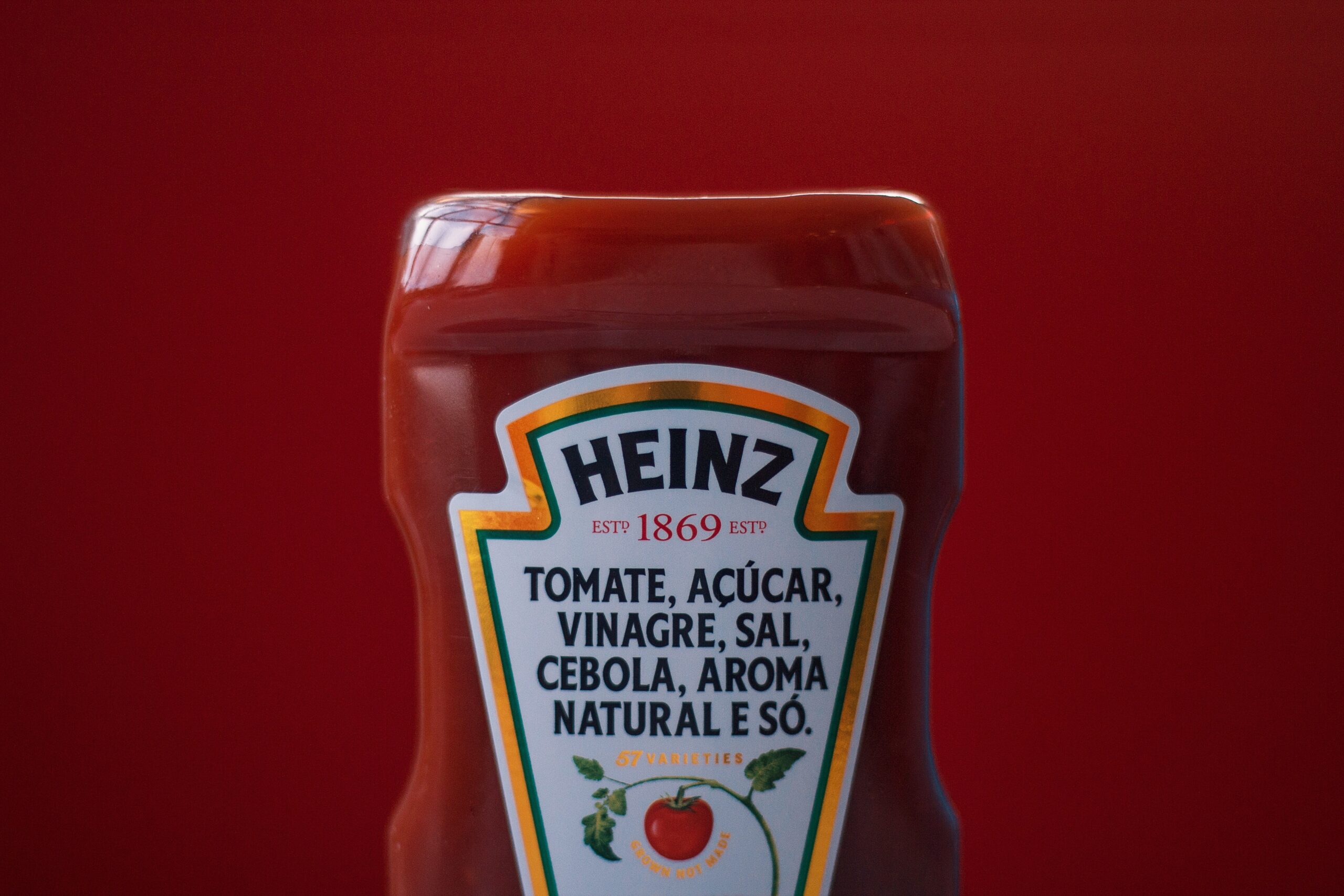
Kraft Heinz mac and cheese is losing market share as competition rises, forcing a major corporate split that could reshape the future of packaged food brands.
🔑 Primary SEO Keywords
Kraft Heinz mac and cheese, Kraft Heinz split, Kraft Heinz restructuring, Kraft Heinz CEO, mac and cheese market share, packaged food industry, Kraft mac and cheese decline
🔑 Secondary & Semantic Keywords
Kraft Heinz business strategy, food brand innovation, grocery competition, private label food brands, boxed mac and cheese market, consumer packaged goods trends
🏪 Introduction: Kraft Heinz and the End of Automatic Dominance
For decades, Kraft Heinz mac and cheese represented unquestioned dominance in the American grocery store. The brand was not merely popular — it defined the category. In households across the United States, Kraft mac and cheese became synonymous with affordability, familiarity, and convenience.
But dominance in the packaged food industry is no longer guaranteed by history alone.
In recent years, Kraft Heinz has watched its flagship mac and cheese brand steadily lose ground. While still the category leader, Kraft’s grip on the market has weakened as competitors — both premium startups and private-label grocery brands — carve away share.
This erosion has become symbolic of a deeper issue at The Kraft Heinz Company, one of the world’s largest consumer packaged goods corporations. Slowing growth, shifting consumer expectations, and a legacy corporate structure have pushed the company toward a dramatic and rare solution: splitting itself into two independent businesses.
At stake is not just one product line, but the future relevance of legacy food brands in a rapidly evolving consumer economy.
📉 Kraft Heinz Mac and Cheese Market Share Decline Explained
Kraft Heinz mac and cheese still sells millions of boxes annually, but sales volume alone masks an uncomfortable truth: the brand is no longer setting the pace of innovation or consumer perception.
📊 Market Share Slippage
Over the past decade:
-
Kraft mac and cheese market share has fallen from historic highs
-
Growth has lagged behind the broader packaged food category
-
Shelf competition has intensified significantly
This decline is not the result of a single failure, but rather a slow accumulation of missed opportunities.
🧀 The Mac and Cheese Category Has Changed — Kraft Didn’t Move Fast Enough
The modern mac and cheese consumer is not the same shopper Kraft built its empire on.
🆕 What Consumers Now Expect
-
Higher-quality ingredients
-
Protein enrichment
-
Transparency in sourcing
-
Cleaner labels
-
Brand authenticity
Newer brands recognized these shifts early and positioned themselves not as cheaper alternatives — but as better ones.
Kraft Heinz, meanwhile, maintained a strategy built around scale and efficiency, assuming brand loyalty would remain durable.
🏷️ Private Label Brands Are No Longer Inferior
One of the most underestimated threats to Kraft Heinz has been the rise of private label grocery brands.
Retailers now invest heavily in:
-
Packaging design
-
Ingredient quality
-
Flavor development
Many store-brand mac and cheese products now compete directly on taste and price, placing pressure on Kraft’s margins and shelf placement.
🏭 Cost-Cutting Culture vs. Brand Investment
The Kraft Heinz merger created one of the most cost-efficient food companies in history — but efficiency came at a price.
⚖️ Strategic Trade-Offs
-
Marketing budgets trimmed
-
Innovation timelines slowed
-
Brand experimentation minimized
-
Long-term relevance deprioritized
While this approach protected short-term profitability, it weakened the brand’s ability to adapt.
In the modern packaged food industry, brands that stop evolving eventually lose pricing power.
👔 CEO Transition Reflects Strategic Acknowledgment
Kraft Heinz’s leadership change marks an important shift in tone and priorities.
Rather than doubling down on efficiency alone, the company is signaling renewed focus on:
-
Brand health
-
Portfolio strategy
-
Sustainable growth
This transition suggests internal recognition that the company’s problems were not cyclical — they were structural.
🔀 Why Kraft Heinz Is Splitting Into Two Companies
The decision to break up Kraft Heinz represents one of the most significant restructurings in the global food industry in decades.
🧱 A Portfolio That Pulled in Two Directions
Kraft Heinz owns brands that require:
-
Heavy marketing and innovation investment
-
Long-term brand building
-
Global expansion strategies
It also owns brands that perform best with:
-
Cost discipline
-
Stable demand
-
Minimal reinvention
Housing both under one corporate strategy created internal friction.
🧩 Structure of the Kraft Heinz Split
🟢 Growth-Focused Company
-
Global brand portfolio
-
Innovation-driven strategy
-
Consumer engagement emphasis
-
Higher risk, higher reward
🔵 North American Staples Company
-
Mature grocery brands
-
Cash-flow reliability
-
Margin optimization
-
Operational discipline
This separation allows each entity to pursue clarity of purpose.
🧠 What the Split Means for Kraft Mac and Cheese
Kraft mac and cheese will reside within the growth-focused entity, positioning it as a brand with renewed strategic importance.
🔮 Expected Areas of Investment
-
Product reformulation
-
Premium extensions
-
Flavor innovation
-
Packaging redesign
-
Digital-first marketing
Rather than abandoning the classic product, Kraft Heinz appears intent on rebuilding relevance without alienating core consumers.
🛒 Retailer Power Is Reshaping Brand Dynamics
Retailers today are data-driven gatekeepers.
🏬 How Retail Dynamics Affect Kraft
-
Shelf space is performance-based
-
Promotions favor faster-moving SKUs
-
Private labels receive premium placement
-
Slow innovation leads to delisting risk
Legacy brands must now justify their presence continually.
📦 Broader Packaged Food Industry Implications
Kraft Heinz’s challenges mirror those facing the entire packaged food sector.
🌍 Industry-Wide Pressures
-
Rising input costs
-
Health-driven consumer scrutiny
-
Declining brand loyalty
-
Increased competition from startups
The era of passive brand dominance is over.
📈 Investor Perspective: Opportunity or Warning?
From an investor standpoint, the Kraft Heinz split introduces both promise and uncertainty.
💼 Investor Focus Areas
-
Post-split financial transparency
-
Capital allocation strategy
-
Brand reinvestment discipline
-
Innovation return on investment
The split creates clearer narratives — but success depends on execution.
🧭 Can Kraft Mac and Cheese Become Relevant Again?
The brand’s future hinges on a delicate balance.
🔑 Strategic Imperatives
-
Modernize without erasing nostalgia
-
Compete on quality, not just price
-
Invest consistently, not reactively
-
Understand evolving household needs
If executed effectively, Kraft mac and cheese could transition from legacy staple to modern comfort brand.
🏁 Conclusion: A Defining Test for Big Food
Kraft Heinz’s corporate split is more than a restructuring — it is a referendum on how legacy food companies survive in a transformed consumer landscape.
Mac and cheese may seem simple, but its decline highlights the complexity of modern brand management.
For Kraft Heinz, this moment represents both risk and renewal.
The next chapter will determine whether one of America’s most recognizable food brands can once again lead — or whether it becomes a case study in missed adaptation.
🔗 Direct Source
Wall Street Journal – Kraft Heinz Mac and Cheese and Corporate Split
https://www.wsj.com/business/retail/kraft-heinz-mac-cheese-split-ceo-dccc9217




0 Comments