
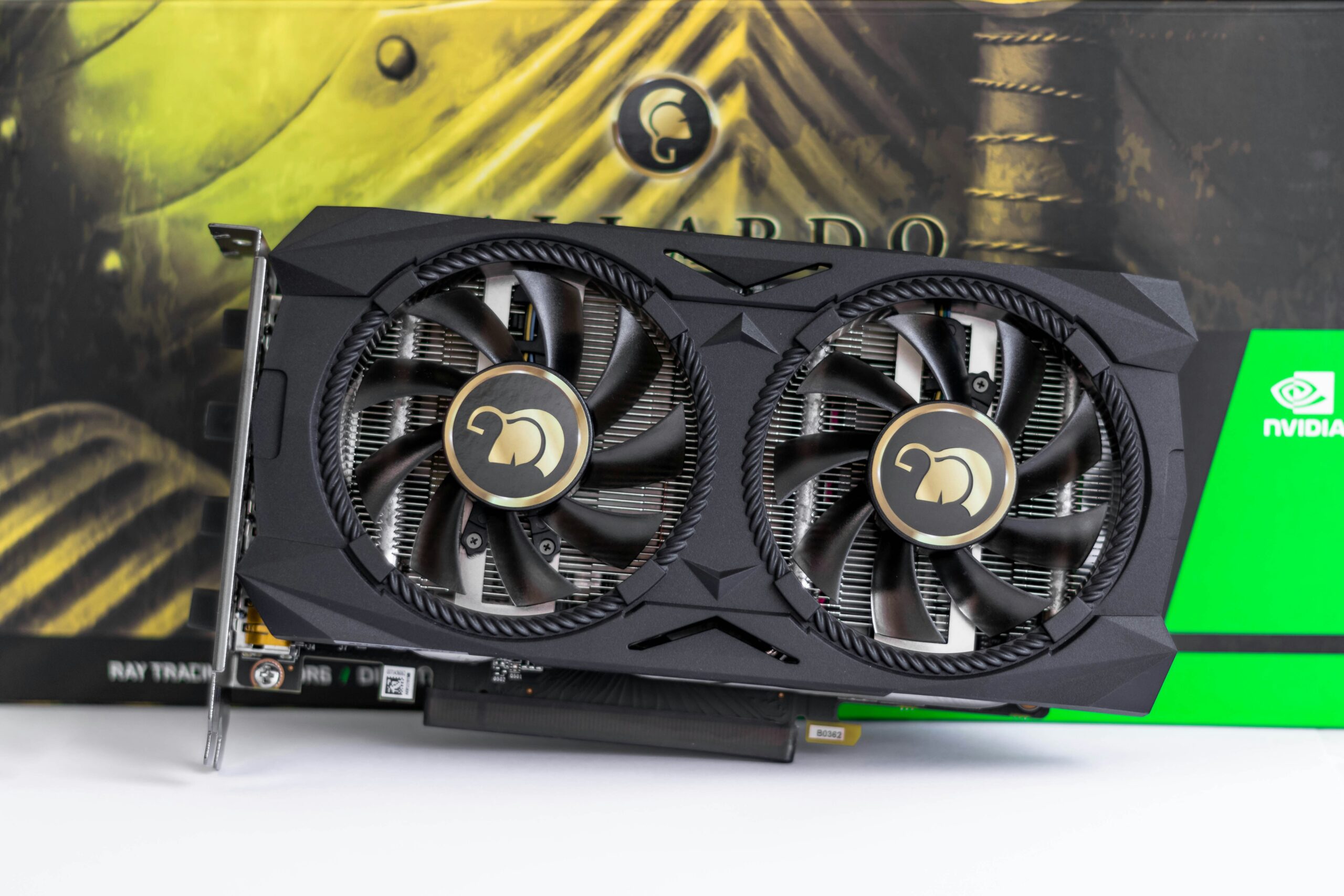
Discover Nvidia’s aggressive cash strategy in 2026, its AI chip dominance, and creative approaches to investing billions. Learn how Nvidia’s innovative tactics are shaping the AI market and driving long-term growth.
Introduction: Nvidia at the Crossroads of AI Dominance 📝🤖
In 2026, Nvidia is not just a GPU manufacturer—it’s the cornerstone of the global AI revolution. From cloud computing and data centers to autonomous vehicles and generative AI, Nvidia’s GPUs and AI software platforms power the backbone of modern AI infrastructure.
Yet, this incredible success brings a challenge: how to deploy massive cash reserves effectively in a market where traditional acquisition opportunities are limited by regulatory scrutiny and geopolitical risks.
This article explores Nvidia’s innovative cash strategy, market implications, AI ecosystem dominance, and long-term growth opportunities—designed for investors, tech enthusiasts, and AI professionals seeking deep insights.
1. Nvidia’s Cash Explosion: Numbers That Speak 💵📊
Nvidia’s financial growth is nothing short of historic:
| Year | Revenue (Billion USD) | Free Cash Flow (Billion USD) | Market Cap (Trillion USD) |
|---|---|---|---|
| 2020 | 16.7 | 4.2 | 0.33 |
| 2022 | 26.9 | 9.8 | 0.45 |
| 2024 | 68.0 | 55 | 1.1 |
| 2025 | 102.0 | 80 | 1.2+ |
-
Key insight: Free cash flow has grown almost 20x in five years, creating enormous strategic flexibility.
-
Investor implication: This cash can fund R&D, partnerships, licensing, stock buybacks, and shareholder returns—without reliance on debt.
Why cash alone isn’t enough:
-
Regulatory hurdles limit large acquisitions, particularly in AI and chip markets.
-
Geopolitical complications make cross-border investments risky.
-
Market expectations demand visible, strategic investments for growth.
2. AI Expansion Beyond GPUs 🤖🖥️
Nvidia’s dominance now spans hardware, software, and ecosystem development:
-
AI inferencing hardware: Faster chips optimized for large-scale model deployment.
-
Enterprise AI software platforms: Nvidia AI Enterprise drives corporate adoption across cloud environments.
-
Autonomous AI systems: Robotics, autonomous vehicles, and smart manufacturing.
By diversifying, Nvidia ensures recurring revenue streams and reinforces its strategic moat in the AI chip market.
3. Aggressive Cash Deployment Strategies 💡🔥
Nvidia has pursued bold, innovative strategies to deploy its $80B+ cash pile:
3.1 Strategic Partnerships and Licensing Deals 🤝💼
Nvidia’s licensing and talent agreements allow access to cutting-edge technology without triggering antitrust scrutiny.
-
Example: Groq partnership for AI inference technology and engineering talent.
-
Benefits: Accelerates R&D adoption and strengthens Nvidia’s AI infrastructure.
3.2 Massive Buybacks and Shareholder Returns 📈💎
Nvidia returned over $50B in stock buybacks, boosting EPS and investor confidence.
-
Buybacks demonstrate management discipline and protect against cash underutilization.
-
Signals to investors: “We value long-term growth, but also immediate shareholder value.”
3.3 Record-Level R&D Investment 🔬🏗️
Billions are allocated to internal innovation:
-
Next-generation GPUs for AI workloads
-
Proprietary AI software for enterprise and cloud applications
-
AI accelerators for autonomous systems and data centers
Insight: Strategic R&D ensures Nvidia remains technologically ahead, mitigating competitive threats.
4. Market Implications of Nvidia’s Cash Strategy 🌐📊
4.1 Investor Response 💹
-
Market cautiously optimistic: Creative cash deployment supports growth without regulatory risk.
-
Concerns: Idle cash could underperform if not strategically allocated.
4.2 Broader AI Ecosystem Effects 🌎
-
Partnerships strengthen Nvidia’s influence across AI startups, cloud providers, and enterprise software developers.
-
Smaller companies often align their AI solutions with Nvidia’s GPUs, reinforcing network effects.
5. Nvidia vs. Competitors in 2026 🏁⚔️
| Competitor | Strengths | Weaknesses | Nvidia Advantage |
|---|---|---|---|
| AMD | Cost-effective GPUs, AI accelerators | Smaller enterprise ecosystem | Market-leading performance & software ecosystem |
| Intel | Manufacturing scale, AI chip diversity | Late to AI inference market | Proprietary AI hardware & established enterprise software |
| China AI startups | Low-cost innovation | Limited global reach, geopolitical risk | Global market dominance, strong partnerships |
Takeaway: Nvidia’s cash strategy and AI ecosystem leadership provide long-term competitive resilience.
6. AI Market Trends Driving Nvidia’s Strategy 📈🤯
-
Generative AI adoption: Exponential growth in AI models like chatbots, image generators, and enterprise assistants.
-
Data center expansion: Enterprise reliance on AI compute is soaring.
-
Edge AI growth: Robotics, IoT, and autonomous devices require specialized AI chips.
-
Cloud AI services: Nvidia AI Enterprise powers major cloud platforms, capturing recurring revenue.
SEO Tip: Each of these trends is a long-tail keyword opportunity for your blog.
7. Challenges Nvidia Must Navigate ⚠️💣
-
Regulatory uncertainty around acquisitions
-
Geopolitical tension with China and EU markets
-
Market volatility from AI hype cycles
-
Competition from AMD, Intel, and emerging startups
Despite these risks, Nvidia’s innovative cash strategies—R&D, buybacks, licensing—mitigate most threats.
8. Opportunities for Aggressive Growth 🌟🚀
-
Generative AI expansion: Recurring revenue from enterprise adoption.
-
Strategic partnerships: Access to talent and technology without acquisitions.
-
Technological leadership: Proprietary GPUs and AI software maintain market dominance.
9. Nvidia GPU Comparison Table: 2026 Overview 🖥️⚡
| GPU Series | Use Case | Performance (TFLOPS) | AI Optimization | Price Range |
|---|---|---|---|---|
| H100 | Data Centers | 60 | High | $25,000+ |
| A100 | Enterprise AI | 40 | Medium | $15,000+ |
| RTX 5090 | Generative AI & Gaming | 35 | High | $3,000+ |
Insight: Nvidia maintains a tiered GPU ecosystem addressing enterprise and consumer AI needs.
10. AI Market Revenue Projections (2026–2030) 📊🌐
| Year | AI Hardware Revenue (B USD) | Nvidia Market Share (%) | AI Software Revenue (B USD) |
|---|---|---|---|
| 2026 | 120 | 45 | 25 |
| 2027 | 150 | 46 | 35 |
| 2028 | 190 | 48 | 45 |
| 2030 | 250 | 50 | 70 |
Conclusion: Nvidia is positioned to capture over half the AI hardware market by 2030 while generating robust software revenue streams.
11. Nvidia’s Long-Term Vision: A Self-Sustaining AI Ecosystem 🌐🛠️
-
GPUs and AI chips remain the foundation of AI growth.
-
Proprietary AI software ensures recurring revenue.
-
Partnerships expand global reach, innovation, and influence.
Result: Nvidia’s cash becomes a catalyst for long-term market leadership rather than idle reserves.
12. Conclusion: Nvidia’s Blueprint for AI Dominance 🏆🔥
Nvidia’s 2026 strategy demonstrates aggressive, innovative cash management. Through partnerships, R&D, buybacks, and ecosystem development, Nvidia maintains technological and market dominance even amid regulatory and competitive challenges.
Investors and tech professionals should closely monitor Nvidia, as its approach may redefine how global tech giants deploy massive cash flows in the AI era.
Source:
Wall Street Journal – Nvidia is Getting Creative as Options to Use Its Cash Flood Narrow



0 Comments