
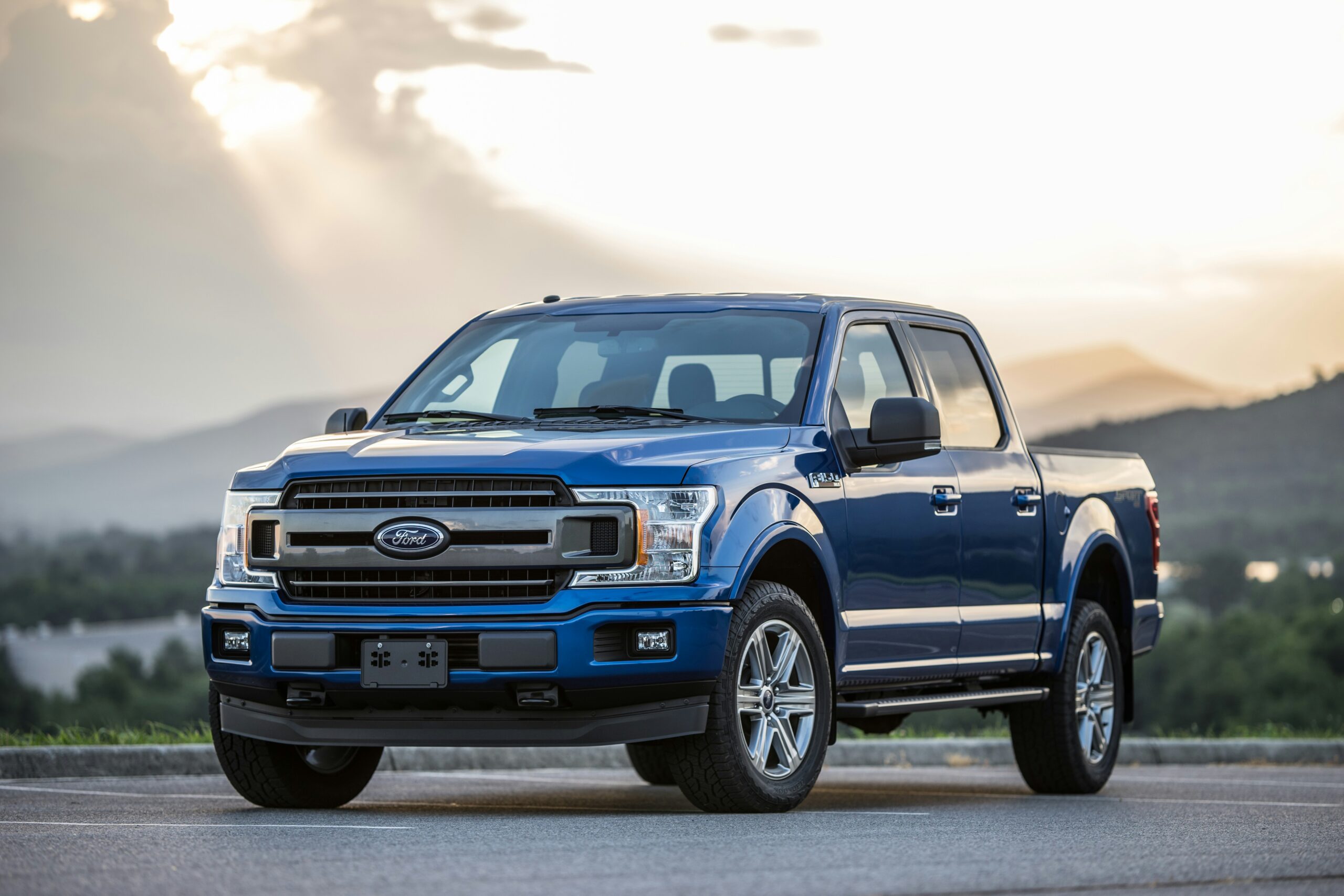
Average U.S. car payments now exceed $750 per month as buyers increasingly rely on 84-, 96-, and 100-month auto loans. This in-depth 2025 analysis explains why car prices remain high, how long-term auto loans work, the hidden financial risks, and what rising car payments mean for consumers, lenders, and the U.S. economy.
🚘 INTRODUCTION: THE $750 CAR PAYMENT ERA HAS ARRIVED
The American car buyer has crossed a critical financial threshold. In 2025, the average monthly car payment in the United States now exceeds $750, marking a historic shift in vehicle affordability and consumer debt behavior. What once seemed unthinkable has quietly become routine.
Even more striking is how buyers are coping. To keep monthly payments manageable, a growing number of consumers are turning to long-term auto loans, including 84-month, 96-month, and now 100-month car loans. These extended auto loans are reshaping the structure of car financing and redefining what it means to “afford” a vehicle.
This article provides a deep, SEO-driven analysis of:
-
Why average car payments are rising so fast
-
How 100-month auto loans work
-
The real cost of long-term vehicle financing
-
The risks hidden behind lower monthly payments
-
What this trend reveals about the U.S. economy in 2025
📈 WHY AVERAGE CAR PAYMENTS KEEP RISING IN THE U.S.
🚗 New Car Prices Are Structurally Higher
New car prices in the United States remain elevated due to long-term structural changes, not temporary market distortions. Modern vehicles are increasingly complex, packed with advanced technology, safety systems, electrification components, and digital features that raise production costs.
Manufacturers have also shifted their focus toward higher-margin vehicles, reducing the supply of low-cost entry-level cars. This has pushed the average transaction price of new vehicles to levels that require significantly larger auto loans.
Higher vehicle prices directly translate into higher monthly car payments, even before interest rates are considered.
🚙 Used Cars No Longer Offer Real Relief
For decades, used cars provided a safety valve when new vehicles became too expensive. That dynamic has weakened dramatically. Tight supply, slower fleet turnover, and sustained demand have kept used car prices historically high.
As a result, many buyers who would normally choose used vehicles now face monthly payments similar to new cars from just a few years ago. This pushes more consumers into extended loan terms simply to remain mobile.
💳 Interest Rates Magnify the Payment Shock
While interest rates fluctuate, the real problem is scale. Financing a $40,000–$50,000 vehicle at today’s rates produces dramatically higher monthly payments than financing a $25,000 car in a low-rate environment.
This is why average car payments in 2025 continue climbing, even when vehicle sales volumes soften.
🧮 THE MONTHLY PAYMENT TRAP IN MODERN CAR FINANCING
🧠 Monthly Payment Has Replaced Total Price
Modern car financing revolves around one number: the monthly payment. Dealers and lenders structure offers around affordability per month rather than total cost of ownership.
This psychological framing encourages buyers to accept longer auto loans without fully understanding the cumulative financial impact.
⏳ Loan Length Is the Primary Affordability Lever
When prices rise, lenders rarely reduce interest rates or principal amounts. Instead, they extend loan duration. This is how the market moved from:
-
60-month loans → standard
-
72-month loans → common
-
84-month loans → normalized
-
96- and 100-month loans → emerging
Longer loan terms artificially lower monthly car payments while increasing total debt exposure.
⏱️ WHAT IS A 100-MONTH AUTO LOAN?
A 100-month auto loan stretches repayment over more than eight years. While still uncommon, these loans are gaining visibility as affordability pressures intensify.
🚘 How 100-Month Car Loans Work
-
Lower monthly payment than shorter loans
-
Significantly higher total interest paid
-
Extremely slow equity accumulation
-
Higher risk of negative equity
For many buyers, the appeal is simple: it makes an expensive car appear affordable.
⚠️ DEPRECIATION VS. DEBT: A LOSING BATTLE
Cars depreciate quickly. In many cases, vehicles lose value faster than loan balances decline. With ultra-long loans, borrowers may remain underwater for most of the loan term.
This becomes a serious problem if:
-
The car is totaled
-
The buyer needs to sell or trade early
-
Household income declines
👥 WHO IS USING LONG-TERM AUTO LOANS?
👨👩👧 Middle-Income Buyers
Households with stable incomes but limited savings often stretch loan terms to manage rising living costs alongside housing, insurance, and childcare expenses.
🧑 Younger Buyers and First-Time Owners
New entrants to the workforce face higher costs across every category. Long auto loans become a gateway to ownership rather than a strategic choice.
📉 Credit-Sensitive Consumers
Borrowers with weaker credit profiles may be steered toward longer terms with higher interest rates, compounding affordability risks.
💸 THE HIDDEN COSTS OF EXTENDED AUTO LOANS
💰 Massive Interest Accumulation
Longer auto loans dramatically increase the total amount paid over time. What looks affordable monthly can quietly cost thousands more in interest.
🔧 Repair Costs While Still Paying the Loan
Vehicles age faster than loans. Major repairs often appear while payments continue, creating overlapping financial burdens.
🔒 Reduced Financial Mobility
Long auto loans lock consumers into inflexible positions, limiting the ability to respond to life changes or economic stress.
🏦 WHY THE AUTO INDUSTRY EMBRACES LONG LOANS
🏦 Lenders Benefit from Duration
Longer loans generate more interest revenue over time and increase asset duration.
🚘 Automakers Preserve Pricing Power
Extended financing allows manufacturers to maintain high prices without destroying demand.
🏬 Dealers Close More Sales
Lower monthly payments improve conversion rates, even when total costs increase.
🌍 WHAT THIS SAYS ABOUT THE U.S. ECONOMY
📊 Rising Household Debt Exposure
Auto debt is becoming longer-lasting, increasing household leverage across economic cycles.
⚠️ Higher Long-Term Default Risk
The longer a loan exists, the greater the chance of disruption—job loss, illness, recession.
🔄 Systemic Sensitivity to Used-Car Prices
A sharp decline in resale values could destabilize loan portfolios tied to extended terms.
🔮 THE FUTURE OF CAR OWNERSHIP
🚘 Cars Are Becoming Long-Term Financial Assets
Ownership increasingly resembles a long-term liability rather than a short-term purchase.
🔁 Leasing and Alternatives May Expand
As affordability erodes, leasing, subscriptions, and shared mobility may gain traction.
🧠 SMARTER STRATEGIES FOR BUYERS IN 2025
✅ Focus on total cost, not monthly payment
✅ Avoid loan terms longer than vehicle lifespan
✅ Increase down payments where possible
✅ Compare financing beyond dealerships
✅ Consider slightly older or lower-trim models
🏁 CONCLUSION: A WARNING HIDDEN IN PLAIN SIGHT
The rise of $750+ average car payments and 100-month auto loans is not just an auto industry story. It is a signal of deeper affordability stress across the U.S. economy.
While extended financing offers temporary relief, it increases long-term vulnerability. As vehicles become more expensive and loans stretch further into the future, consumers must decide whether convenience today is worth constraint tomorrow.
In 2025, car ownership is no longer just about mobility — it is a financial strategy with lasting consequences.
🔑 AGGRESSIVE SEO KEYWORD TARGETING (NATURAL + DENSE)
-
average car payment 2025
-
100 month car loan
-
long term auto loans USA
-
rising car payments United States
-
car financing trends 2025
-
auto loan affordability crisis
-
extended car loan risks
-
new car prices America




0 Comments