
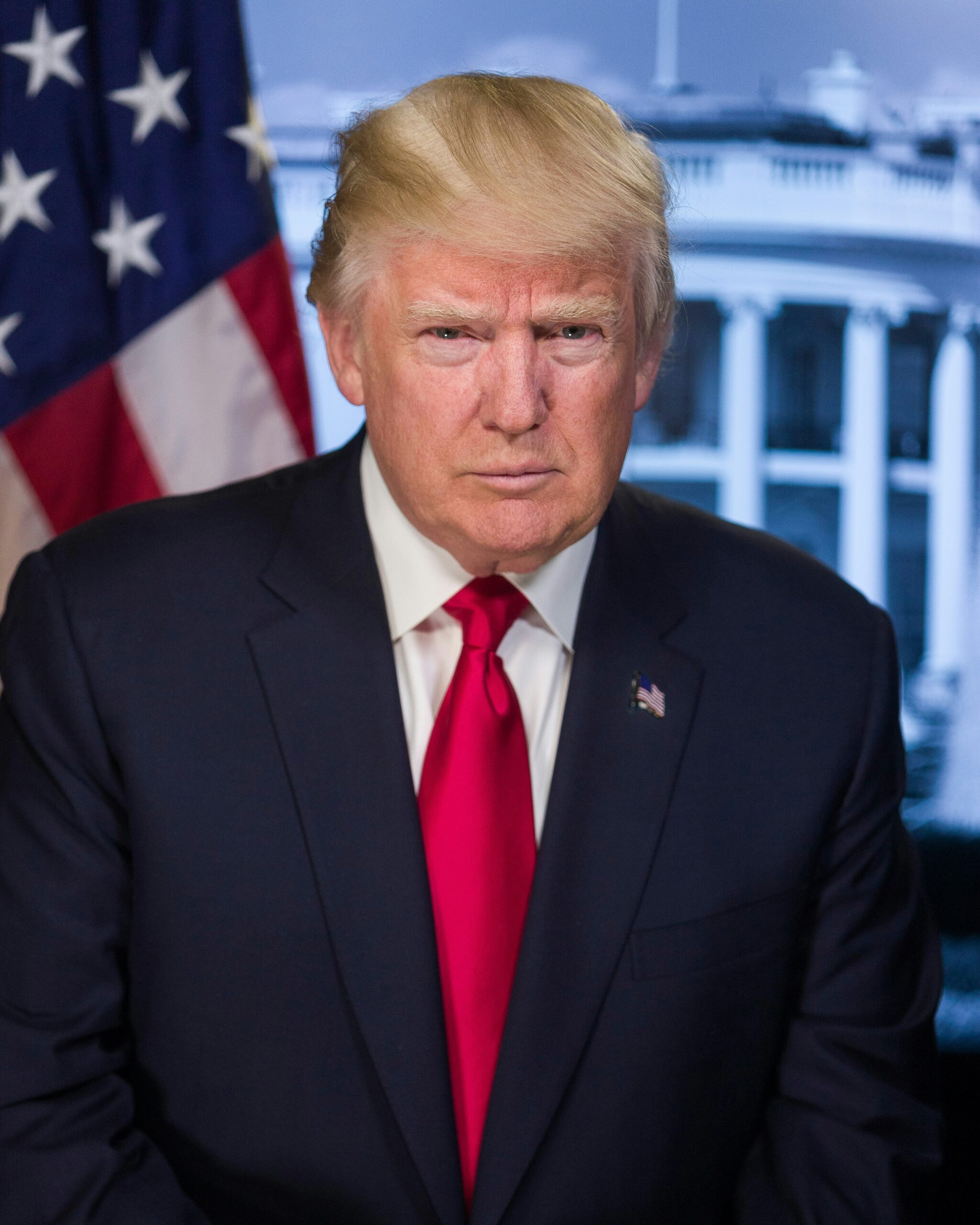
Trump’s cannabis reclassification to Schedule III could reshape cannabis stocks, Medicare CBD access, and U.S. drug policy. Here’s what it means.
🧭 Introduction: A Federal Cannabis Shift with National Consequences
In a move that could redefine U.S. drug policy for a generation, former President Donald Trump has backed the reclassification of cannabis from Schedule I to Schedule III under the Controlled Substances Act. While the decision stops short of full federal legalization, it represents the most meaningful change in federal cannabis policy in decades — and one that carries far-reaching implications for financial markets, healthcare systems, pharmaceutical research, and public policy.
For years, cannabis occupied the most restrictive legal category under federal law, grouped with substances deemed to have no accepted medical use. That classification stood in contrast to widespread state-level legalization, expanding medical research, and a rapidly growing legal cannabis economy. The new Schedule III designation acknowledges medical potential while maintaining federal oversight, signaling a strategic shift rather than a political about-face.
This article explores what cannabis rescheduling really means, how cannabis stocks reacted, what it could mean for Medicare and CBD coverage, and why this policy shift may reshape the cannabis industry’s future — even without nationwide legalization.
⚖️ Understanding Cannabis Reclassification: From Schedule I to Schedule III
Under U.S. law, controlled substances are categorized into five schedules. The classification determines how drugs are regulated, researched, prescribed, and taxed.
🧾 Schedule I (Former Status)
-
No recognized medical use under federal law
-
High potential for abuse
-
Severe restrictions on research and prescription
-
Cannabis shared this status with substances like heroin
🧾 Schedule III (New Status)
-
Recognized medical value
-
Moderate to low potential for abuse
-
Can be researched more freely
-
May be prescribed under controlled circumstances
The shift to Schedule III does not legalize recreational cannabis, but it fundamentally changes how the federal government views the substance. This recognition of medical utility could unlock pathways that were previously closed to researchers, healthcare providers, and regulated businesses.
📊 Cannabis Stocks: Why Markets Reacted So Quickly
Financial markets wasted no time responding. Cannabis-related equities experienced immediate volatility as investors assessed the long-term significance of rescheduling.
💹 Why Investors Care
-
Tax relief potential: Companies may no longer be subject to certain punitive federal tax rules that disproportionately affected cannabis operators.
-
Improved capital access: Lower regulatory risk may encourage institutional investors previously sidelined by federal restrictions.
-
Legitimization effect: Schedule III status reduces stigma, aligning cannabis companies more closely with regulated pharmaceutical and healthcare firms.
⚠️ Market Reality Check
While initial enthusiasm pushed some cannabis stocks higher, gains were uneven. Investors remain cautious due to:
-
Ongoing federal illegality of recreational use
-
Banking and interstate commerce limitations
-
Regulatory uncertainty at the implementation stage
The market reaction suggests optimism tempered by realism — a sign that rescheduling is seen as a structural improvement, not a silver bullet.
🏦 Banking, Taxes, and Corporate Operations: Quiet but Powerful Changes
One of the least visible — yet most impactful — consequences of rescheduling involves how cannabis companies operate financially.
💰 Tax Implications
Under prior rules, cannabis businesses faced unique tax burdens that prevented them from deducting standard operating expenses. Schedule III status may ease these constraints, improving:
-
Profit margins
-
Cash flow
-
Business sustainability
🏛️ Banking Access
While rescheduling alone does not guarantee full banking reform, it:
-
Reduces compliance risk for financial institutions
-
Strengthens the case for future federal banking legislation
-
Signals lower regulatory hostility
For an industry long forced to operate under financial limitations, these changes could quietly transform day-to-day business viability.
🧪 Medical Research: A Long-Awaited Opening
Perhaps the most consequential shift lies in scientific research.
For decades, Schedule I classification created substantial barriers to studying cannabis, limiting:
-
Clinical trials
-
Federal research grants
-
Large-scale data collection
🔬 What Changes Now
With Schedule III status:
-
Universities can pursue broader cannabis research
-
Pharmaceutical firms may explore cannabinoid-based treatments
-
Regulators can evaluate cannabis with modern medical frameworks
This could lead to FDA-approved cannabinoid medications, standardized dosing, and evidence-based medical guidance — a critical step toward mainstream healthcare integration.
👵 Medicare and CBD: A Policy Frontier
One of the most closely watched implications of rescheduling involves Medicare and CBD-based treatments.
🩺 Why This Matters
Historically, federal healthcare programs avoided cannabis-related products due to legal classification. Schedule III opens the possibility — though not a guarantee — for:
-
Pilot programs involving CBD-based therapies
-
Expanded physician guidance
-
Formal evaluation of cannabinoid efficacy for specific conditions
For older Americans, particularly those managing chronic pain or neurological conditions, this could represent a significant evolution in treatment options — provided strict regulatory standards are met.
🌱 CBD Markets: Legitimacy and Oversight
The CBD industry has grown rapidly but unevenly, often criticized for:
-
Inconsistent product quality
-
Limited regulatory oversight
-
Consumer confusion
Rescheduling cannabis may help:
-
Establish clearer federal standards
-
Encourage pharmaceutical-grade CBD development
-
Reduce misinformation through evidence-based regulation
For consumers, this could mean safer, more reliable products — and for businesses, higher compliance expectations paired with greater legitimacy.
🏛️ Politics and Policy: Why This Move Matters Beyond Cannabis
Trump’s backing of cannabis rescheduling carries political significance beyond the industry itself.
🗳️ A Strategic Shift
-
Signals responsiveness to changing public opinion
-
Reflects bipartisan reevaluation of decades-old drug policy
-
Avoids full legalization while acknowledging medical reality
This approach allows policymakers to modernize drug policy without fully dismantling federal control, appealing to a broad political spectrum.
🚫 What Cannabis Rescheduling Does NOT Do
Despite its importance, rescheduling has clear limits:
-
❌ Does not legalize recreational marijuana nationwide
-
❌ Does not override state cannabis laws
-
❌ Does not immediately resolve banking reform
-
❌ Does not guarantee Medicare coverage
Understanding these boundaries is essential to separating policy progress from public misconception.
🌍 State Markets vs. Federal Policy: An Ongoing Tension
State-level cannabis legalization continues to outpace federal reform. Rescheduling helps narrow this gap but does not eliminate it.
⚖️ The New Balance
-
States retain authority over legalization and enforcement
-
Federal government redefines cannabis at the regulatory level
-
Businesses still navigate a complex dual-system landscape
This hybrid structure remains challenging but increasingly manageable as federal policy evolves.
📈 Long-Term Outlook: A Transitional Moment
Cannabis rescheduling should be viewed as a transitional milestone, not an endpoint.
🔮 What Comes Next
-
Expanded research and data
-
Regulatory refinement
-
Potential future congressional action
-
Gradual normalization within healthcare and finance
For investors, healthcare professionals, and policymakers, the message is clear: the cannabis debate has entered a more pragmatic, evidence-driven phase.
🧠 Final Analysis: A Redefined Federal Stance
By supporting cannabis reclassification, the federal government has acknowledged what states, researchers, and patients have long argued — that cannabis has medical relevance worthy of serious regulatory consideration.
The implications for stocks, research, healthcare, and policy are substantial, even if the path forward remains complex. While full legalization remains unresolved, this shift marks a decisive move away from outdated frameworks toward a more nuanced, modern approach.
🔑 SEO Keyword Targets
-
Trump cannabis reclassification
-
Schedule III cannabis news
-
cannabis stocks reaction
-
Medicare CBD policy
-
federal cannabis reform
-
U.S. cannabis regulation update
-
CBD healthcare market
🔗 Direct Source (Only Source Link)
https://www.cnbc.com/2025/12/18/trump-pot-reclassification-cannabis-stocks-medicare-cbd.html




0 Comments