
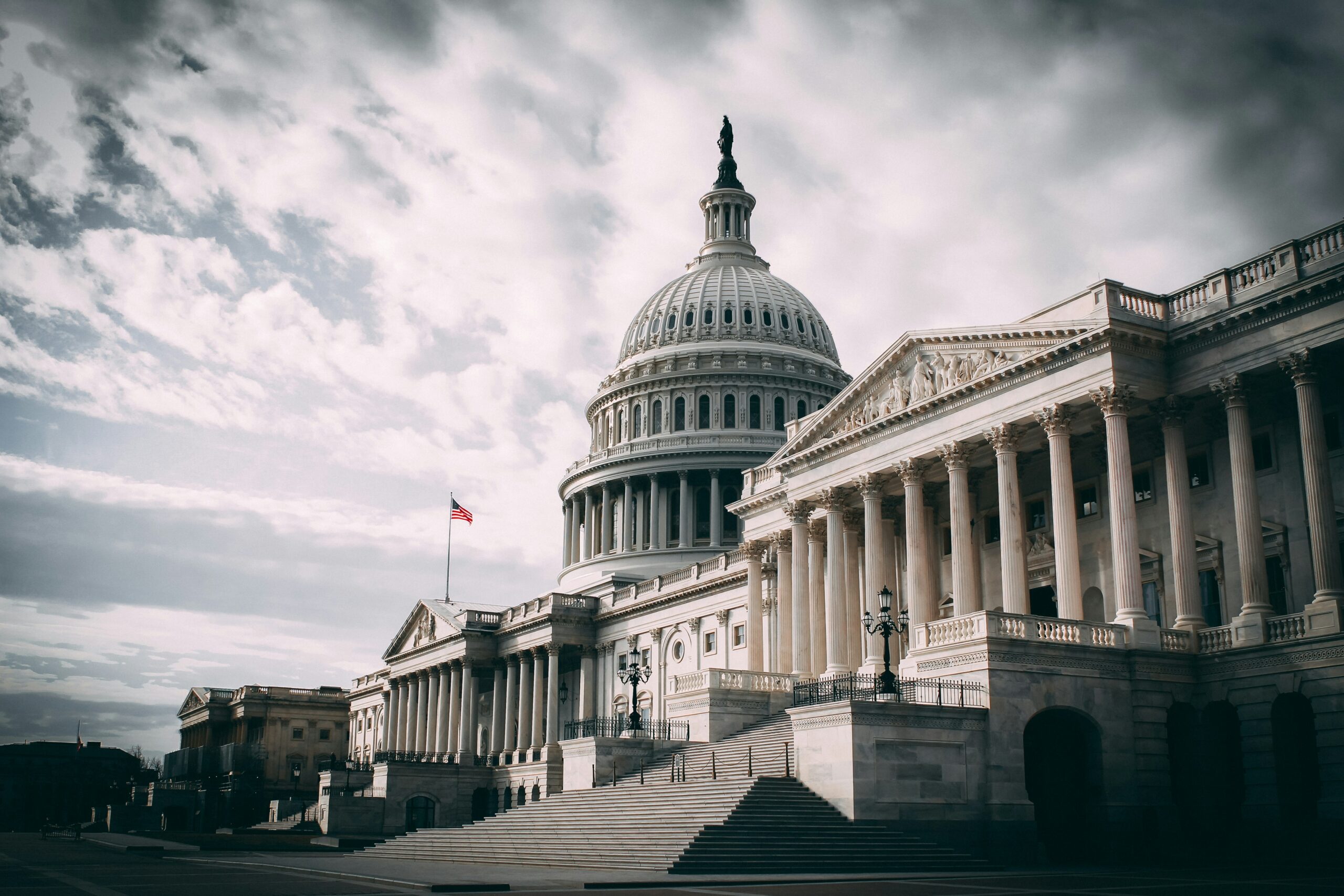
Explore the unprecedented mass layoffs of federal employees under the Trump administration. Learn about legal battles, agency disruptions, employee experiences, and long-term implications for U.S. governance.
⚡ Trump Administration Launches Massive Federal Worker Layoffs
In late 2025, the Trump administration implemented a sweeping overhaul of the federal workforce. Estimates indicate that over 300,000 civil servants have been affected, making it one of the largest reductions in U.S. federal employment in modern history.
The administration framed this move as necessary to improve efficiency, cut costs, and restructure federal agencies. However, critics argue that such measures undermine long-standing protections for career civil servants and jeopardize essential government functions.
This unprecedented shakeup has caused widespread concern across political, legal, and operational spheres, as agencies and employees navigate the fallout.
📊 Scope of the Layoffs
The reductions cut across multiple departments, including:
-
Department of the Treasury – affecting oversight and financial operations.
-
Environmental Protection Agency (EPA) – reducing research staff and field inspectors.
-
Consumer Financial Protection Bureau (CFPB) – slowing regulatory enforcement.
-
National Parks and Conservation Services – impacting visitor services and conservation projects.
Analysts warn that the scale of these cuts may disrupt agency operations, weaken regulatory enforcement, and slow public services.
The layoffs included a combination of:
-
Forced terminations – employees were directly removed from positions.
-
Voluntary buyouts and early retirements – incentivized departures that contributed to staff reductions.
-
Restructuring programs – elimination or consolidation of certain roles.
⚖️ Legal and Political Repercussions
The mass firings have sparked significant legal and political challenges.
Legal Challenges
Federal courts have temporarily blocked several layoffs, citing potential violations of civil service protections. Labor unions representing federal employees argue that many firings were unlawful or politically motivated, raising questions about the limits of executive power.
Congressional Response
Congressional hearings are underway to assess the legality and impact of these mass layoffs. Bipartisan concerns focus on:
-
Preserving merit-based civil service protections.
-
Maintaining operational continuity in essential agencies.
-
Preventing politically motivated terminations that could undermine government integrity.
Political Fallout
The layoffs have become a partisan flashpoint, drawing attention from media, advocacy groups, and public officials. Analysts note that the administration’s aggressive approach could influence the 2026 midterm elections, particularly in districts reliant on federal employment.
🛠 Impact on Key Government Agencies
Each agency has experienced different challenges due to the workforce reductions:
1. Environmental Protection Agency (EPA)
The EPA has seen significant reductions in field inspectors and research staff. Consequences include:
-
Delays in environmental inspections and compliance monitoring.
-
Postponed climate and pollution research projects.
-
Increased workload for remaining employees, leading to burnout.
2. Consumer Financial Protection Bureau (CFPB)
Layoffs at the CFPB have slowed the oversight of consumer financial products. This has raised concerns about potential gaps in regulatory enforcement, leaving consumers vulnerable to predatory financial practices.
3. National Parks and Conservation Services
Staffing reductions have affected:
-
Park maintenance and safety operations.
-
Conservation initiatives for endangered species.
-
Visitor education programs and guided tours.
4. Department of Defense Civilian Staff
Although military personnel are not directly impacted, civilian employees who provide critical administrative, logistical, and technical support have been affected. This may slow non-combat operations and resource management.
💼 Federal Worker Experience Amid the Changes
Federal employees are navigating a period of uncertainty and anxiety:
-
Job security concerns – Many employees fear losing their positions without adequate notice.
-
Benefit and pension uncertainty – Layoffs and early retirements raise questions about long-term financial security.
-
Career disruption – Experienced employees leaving the workforce could create skill gaps in critical areas.
Labor unions and employee advocacy groups are calling for swift legislative interventions to protect employee rights and morale. Remaining staff face increased pressure as workloads rise and institutional knowledge diminishes.
🌐 Broader Implications for U.S. Governance
The mass layoffs have ripple effects that extend beyond individual agencies:
Operational Efficiency
Reduced staffing levels can slow government operations, from financial oversight to environmental protection. Experts warn that service delays may become common in critical areas affecting citizens nationwide.
Institutional Knowledge Loss
Experienced civil servants leaving the workforce may result in lost expertise. This “brain drain” could affect policy continuity, emergency preparedness, and specialized programs.
Political Ramifications
The firings have intensified debates about executive power and civil service protections. Observers suggest that political interference in federal employment could erode public trust in government institutions.
🔮 What’s Next for the Federal Workforce
The situation remains fluid as legal battles, union negotiations, and potential policy changes unfold. Key questions include:
-
Will some employees be reinstated after court rulings?
-
How will agencies adapt to staffing shortages in the long term?
-
What reforms, if any, will Congress enact to balance efficiency with civil service protections?
Policy experts emphasize the importance of merit-based protections, which ensure a nonpartisan and competent federal workforce. Maintaining these safeguards is considered essential to uphold government effectiveness and public trust.
💡 Case Studies: Agencies Affected in Depth
Case Study 1: EPA’s Research Programs
Prior to the layoffs, the EPA employed hundreds of scientists in climate and environmental research. Workforce reductions have forced the suspension of several key studies, particularly in air and water quality monitoring.
Case Study 2: CFPB Enforcement Actions
The CFPB relies on specialized teams to investigate complex financial products. Layoffs have slowed ongoing investigations, raising concerns about compliance with consumer protection laws.
Case Study 3: National Parks Service Operations
Visitor services, park maintenance, and safety programs have been affected. Staff reductions mean fewer guided tours, longer maintenance schedules, and potential environmental risks due to delayed oversight.
📈 Historical Context
Historically, large-scale federal layoffs have been rare. Most workforce reductions occurred during:
-
Post-war periods
-
Government restructuring initiatives
-
Economic recessions
What sets the current situation apart is the simultaneous political and administrative motivation behind the layoffs, combined with aggressive implementation across multiple agencies.
📌 Key Takeaways
-
Over 300,000 federal employees have been affected by mass layoffs.
-
Legal and political challenges are ongoing, with courts blocking some terminations.
-
Agencies like the EPA, CFPB, and National Parks Service face operational challenges.
-
Remaining employees are dealing with increased workloads and uncertainty.
-
Long-term implications include potential efficiency improvements, but also risk to institutional knowledge and public trust.
Conclusion
The Trump administration’s mass firings of federal employees represent a pivotal moment in U.S. civil service history. While intended to improve efficiency and reduce costs, the move has significant legal, political, and operational consequences.
The coming months will determine how agencies cope with staffing gaps, how courts resolve disputes, and whether legislative reforms will protect federal employees while maintaining government effectiveness.
Direct Source: NPR – Trump Administration Fires Federal Workers




0 Comments