
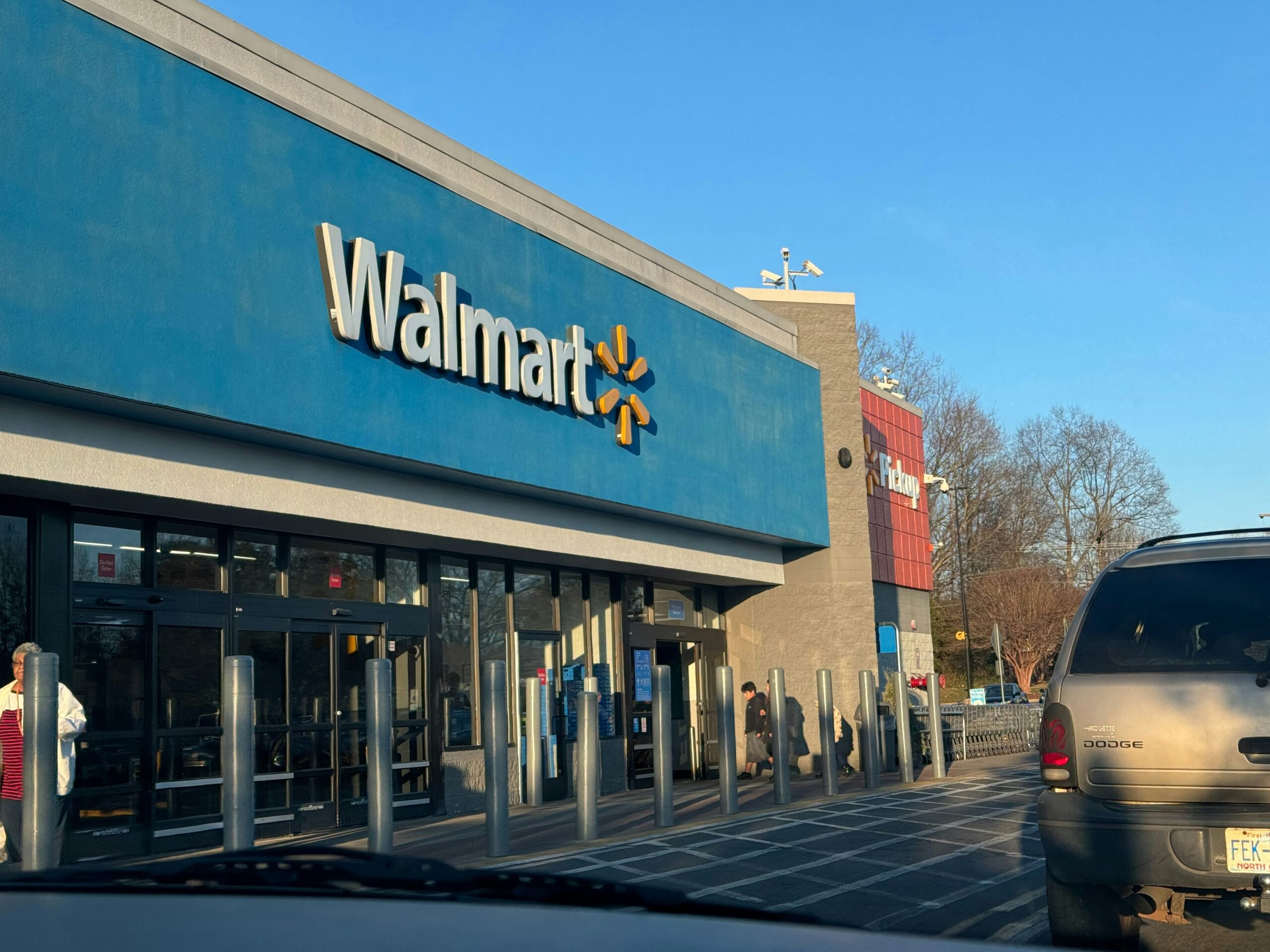
Explore how Walmart is transforming commercial real estate with 3D-printed buildings. Learn about construction speed, cost savings, sustainability, challenges, and the future of retail infrastructure.
🏢 Walmart Accelerates 3D-Printed Commercial Construction
The world of retail and commercial real estate is entering a new era, driven by rapid technological innovation. Among the pioneers leading this transformation is Walmart, which is actively embracing 3D-printed construction for its stores, fulfillment centers, and pickup facilities. By partnering with advanced construction technology firms, Walmart is not only streamlining operations but also setting a benchmark for sustainable and cost-effective commercial development.
3D-printed construction uses robotic concrete printers to create walls, structures, and architectural elements with precision and speed. For a retailer with Walmart’s scale, the technology promises faster builds, lower costs, and reduced environmental impact, marking a dramatic shift in traditional commercial construction methods.
⚡ The Rise of 3D-Printed Retail Spaces
How 3D Printing Works in Construction
3D construction printing, also known as 3DCP (3D Concrete Printing), involves using robotic arms and specialized concrete mixes to print building structures layer by layer. This approach allows for:
-
Rapid construction: Large walls and structural components are printed in a fraction of the time compared to traditional masonry.
-
Precision: Automated printing minimizes human error and ensures consistent quality.
-
Material efficiency: Concrete is applied exactly where needed, reducing waste.
-
Design flexibility: Complex shapes and modular designs are achievable without custom molds.
For Walmart, 3D printing represents a combination of operational efficiency, sustainability, and scalability — all critical factors for modern retail infrastructure.
🏗️ Walmart’s 3D-Printed Projects Across the U.S.
Walmart has already completed several high-profile 3D-printed projects and has plans for multiple additional sites. Key examples include:
Owens Cross Roads, Alabama
-
A 5,000-square-foot pickup and delivery facility
-
16-foot-high concrete walls printed in just 75 hours over one week
-
Minimal on-site crew required, demonstrating labor efficiency and safety benefits
Athens, Tennessee
-
8,000-square-foot retail expansion
-
Similar 3D printing methods, showcasing scalability and replication potential
Upcoming Projects
-
Lamar, Missouri (Store No. 338): Part of a larger rollout of 3D-printed retail spaces
-
Represents the largest commercial deployment of 3D-printed buildings in U.S. history
Through these projects, Walmart is proving that 3D-printed construction is not a pilot program but a viable solution for commercial retail expansion.
🌱 Environmental Benefits of 3D-Printed Construction
Reduced Material Waste
Traditional construction often generates significant concrete and material waste. 3D printing optimizes material usage, ensuring that only the required quantity is used. This minimizes environmental impact while reducing construction costs.
Lower Carbon Footprint
3D printing requires fewer transportation trips, less heavy machinery, and reduced energy consumption on-site. These factors contribute to lower greenhouse gas emissions compared to conventional construction methods.
Sustainable Design Options
The technology enables innovative designs that incorporate green construction principles, such as optimized wall insulation, energy-efficient layouts, and reduced material overlap. Over time, this could set a standard for eco-friendly retail development.
💰 Economic Advantages
Speed Equals Savings
Faster construction timelines mean earlier store openings, quicker revenue generation, and a competitive advantage in retail markets. A facility printed in days instead of weeks also reduces overhead costs associated with construction management.
Reduced Labor Costs
3D printing requires smaller teams to operate robotic printers, lowering labor expenses while minimizing the risk of workplace injuries.
Long-Term Investment Benefits
3D-printed structures often require less maintenance due to uniform quality and fewer structural defects, potentially saving retailers millions in long-term repair costs.
🧱 Challenges Facing 3D-Printed Commercial Buildings
Despite its advantages, 3D-printed construction faces hurdles:
Durability and Building Codes
-
Ensuring that 3D-printed walls meet structural integrity standards is essential.
-
Local building codes may require adaptation to accommodate robotic printing methods.
Material Supply
-
Specialized concrete mixes and additives are critical for high-quality prints.
-
Supply chain consistency is vital for large-scale deployment.
Workforce Training
-
Staff must be trained in operating robotic printing systems, integrating them with traditional construction techniques, and monitoring quality control.
Overcoming these challenges is crucial for widespread adoption across retail and other sectors.
💡 Implications for the Retail Industry
Walmart’s 3D-printed expansions suggest several trends for the wider retail and real estate industries:
Rapid Retail Deployment
-
Retailers can open new locations faster, adapting to consumer demand without the delays of traditional construction.
Customizable Store Designs
-
3D printing enables unique and flexible store layouts without additional cost for molds or scaffolding.
Global Expansion Opportunities
-
Robotic construction reduces reliance on local labor, making it easier to replicate designs in international markets.
Cross-Industry Applications
-
Logistics, warehousing, and even healthcare facilities may adopt 3D printing to accelerate construction while maintaining sustainability standards.
📊 Industry and Investor Perspectives
For Investors
-
Walmart’s investments in 3D printing signal long-term commitment to innovation and operational efficiency.
-
Companies supplying 3D-printing materials, robotics, and construction technology may see significant growth opportunities.
For Industry Observers
-
Walmart’s projects could serve as a model for other retail giants and developers, encouraging the adoption of 3D construction across commercial real estate.
🚀 Future Outlook
Experts predict that 3D-printed construction will:
-
Expand beyond retail: Warehouses, fulfillment centers, and industrial buildings may adopt similar methods.
-
Enhance sustainability standards: Reduced material waste and energy consumption will set new benchmarks.
-
Accelerate global deployment: Modular designs and robotic printing allow quick replication internationally.
-
Encourage innovation: Hybrid construction combining 3D printing with traditional methods will become common.
As the technology matures, 3D-printed commercial buildings could redefine urban development, offering faster, greener, and more cost-efficient solutions for businesses worldwide.
🔑 Key Takeaways
-
Walmart is at the forefront of 3D-printed retail construction in the U.S.
-
3D printing reduces costs, speeds construction, and enhances sustainability.
-
Challenges include regulatory adaptation, workforce training, and material supply.
-
The technology has far-reaching implications for retail, real estate, logistics, and international expansion.
-
Investors and industry watchers should closely monitor 3D-printed construction as a growing trend.
📌 Conclusion
Walmart’s pioneering 3D-printed buildings demonstrate a major shift in how retail infrastructure is built. By combining innovation, efficiency, and sustainability, the retailer is setting a benchmark for the future of commercial real estate.
The era of printed, not poured, commercial construction has arrived — and Walmart is leading the charge.




0 Comments