
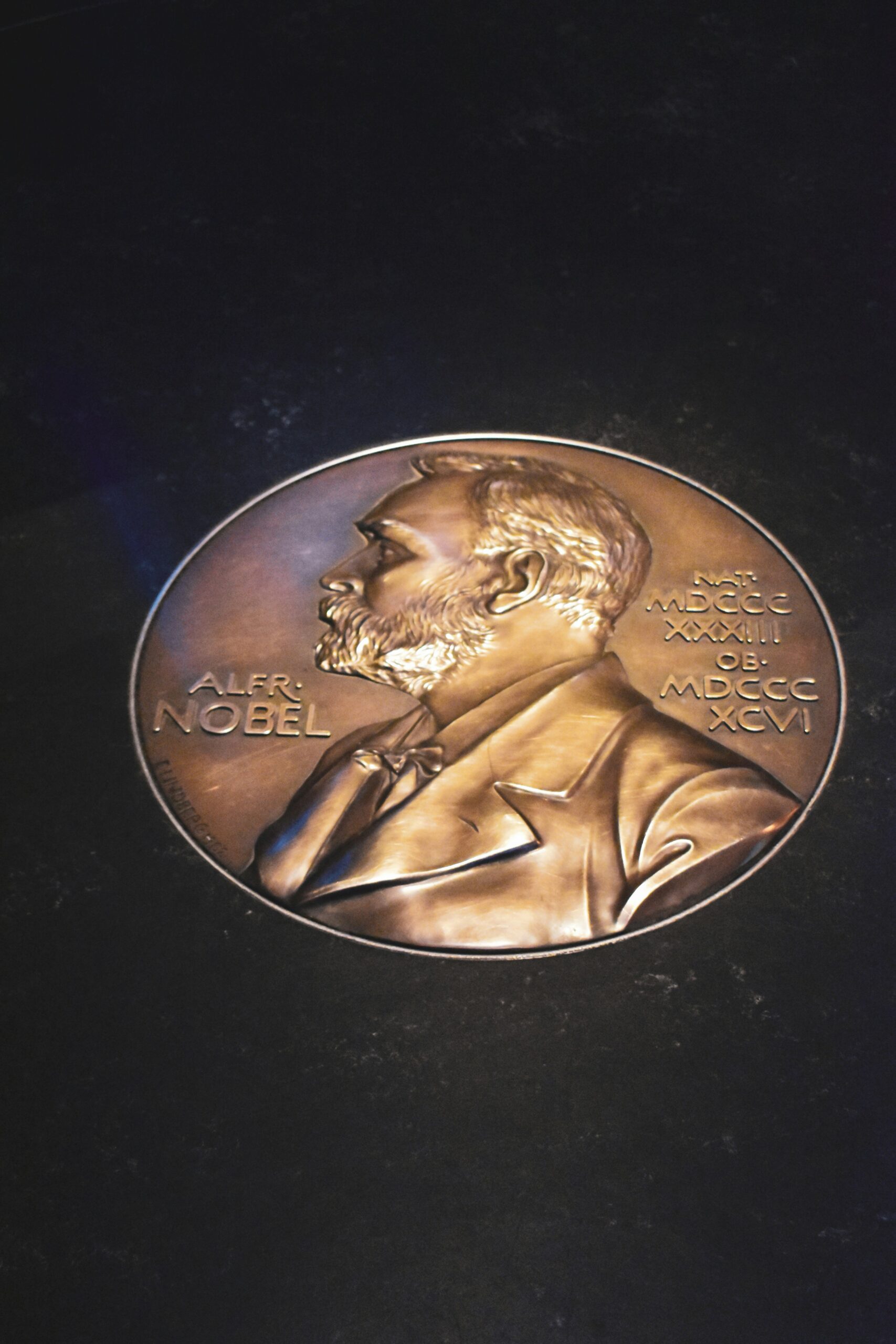
Venezuelan opposition leader María Corina Machado won the 2025 Nobel Peace Prize but could not attend the Oslo ceremony. Explore why she’s in hiding, her fight for democracy, and the global implications for Venezuela.
🕊️ Introduction: A Nobel Moment Amid Crisis
In December 2025, María Corina Machado, the prominent Venezuelan opposition leader, was awarded the Nobel Peace Prize for her unwavering commitment to democratic governance, human rights advocacy, and nonviolent activism. Machado’s recognition highlights the struggles of millions of Venezuelans living under authoritarian rule and brings global attention to the ongoing political and humanitarian crisis in Venezuela.
Despite this historic award, Machado did not attend the Oslo ceremony in person. This article examines the circumstances of her absence, the significance of her Nobel Prize, her biography and political career, the state of Venezuela, and the broader implications of her recognition on international politics and democracy movements.
🇻🇪 Venezuela’s Political Landscape: From Democracy to Authoritarianism
The Chávez Era: Seeds of Change and Polarization
Venezuela’s political crisis did not begin overnight. The election of Hugo Chávez in 1998 marked the start of the “Bolivarian Revolution,” a socialist movement promising wealth redistribution and social programs. While initially popular, Chávez’s tenure saw increasing centralization of power, weakening of democratic institutions, and growing political polarization.
Many Venezuelans applauded social welfare programs that improved access to healthcare and education, but critics argued that Chávez undermined democratic norms, manipulated electoral processes, and fostered a culture of political intolerance.
The Maduro Era: Consolidating Power
Following Chávez’s death in 2013, Nicolás Maduro ascended to the presidency. Under Maduro, Venezuela’s economic, political, and social situation deteriorated rapidly:
-
Economic collapse: Hyperinflation, currency devaluation, and scarcity of basic goods devastated the population.
-
Suppression of dissent: Opposition leaders were jailed or exiled, protests were violently suppressed, and freedom of the press was restricted.
-
Mass migration: Millions of Venezuelans fled the country, creating one of the largest refugee crises in Latin America.
This environment set the stage for opposition leaders like María Corina Machado to emerge as voices of resistance against authoritarian control.
🏛️ María Corina Machado: From Activist to Nobel Laureate
Early Life and Education
María Corina Machado was born in Caracas, Venezuela, in 1967. From a young age, she demonstrated a commitment to civic engagement, inspired by her family’s involvement in education and social causes. Machado studied industrial engineering at the Andrés Bello Catholic University, where she began participating in student activism and community programs.
Entry into Politics
Machado entered national politics in the early 2000s, joining Venezuela’s opposition movement against Hugo Chávez’s government. She gained recognition for her articulate speeches advocating democratic reforms, transparency in governance, and protection of civil liberties.
Over the years, she built a reputation as a principled and courageous leader, unafraid to challenge the status quo and confront authoritarian practices. Her political career has been defined by advocacy for:
-
Free and fair elections
-
Protection of political prisoners
-
Strengthening civil society organizations
-
Encouraging youth engagement in politics
Persecution and Hiding
Due to her outspoken opposition, Machado faced constant threats from the government. By early 2025, she was forced into hiding to avoid arrest and possible imprisonment. Despite these risks, she continued to advocate for Venezuelan democracy through clandestine communications, interviews with international media, and diplomatic channels.
🌍 Why Machado Won the Nobel Peace Prize
The 2025 Nobel Peace Prize was awarded to Machado for her steadfast dedication to nonviolent political activism and her efforts to restore democratic governance in Venezuela. The Nobel Committee highlighted her work as emblematic of the broader struggle for human rights in countries experiencing authoritarian rule.
Key reasons for her recognition include:
-
Nonviolent resistance: Machado has consistently promoted peaceful advocacy and democratic engagement despite government oppression.
-
Global attention: Her activism has drawn international focus to Venezuela’s crisis, mobilizing support from governments, NGOs, and human rights organizations.
-
Symbolic leadership: She represents the aspirations of millions of Venezuelans seeking freedom, justice, and the rule of law.
🚫 Absence from Oslo: A Risk Too Great
Although Machado won the Nobel Peace Prize, she could not attend the Oslo ceremony due to:
-
Security threats: Traveling internationally would have exposed her to arrest or political persecution.
-
Government travel bans: Years of restrictions on her movement made attending the ceremony physically impossible.
-
Protection of ongoing advocacy: Remaining hidden allowed her to continue influencing Venezuelan and international politics safely.
Her daughter, Ana Corina Sosa Machado, accepted the prize on her behalf, symbolizing both familial and political continuity. The ceremony, though lacking the laureate’s presence, reinforced the significance of her work and Venezuela’s struggle for democracy.
📉 Venezuela’s Humanitarian Crisis
The Nobel Prize also highlights the human cost of authoritarian governance in Venezuela:
-
Economic collapse: Inflation rates exceeding millions percent at times, shortages of food, medicine, and essential goods.
-
Migration crisis: Over 8 million Venezuelans have fled since 2015, creating social, economic, and political pressures across Latin America.
-
Health system deterioration: Hospitals struggle with shortages of medicine, equipment, and trained personnel.
-
Education impact: Political instability has disrupted schooling, with many children facing gaps in their education.
Machado’s recognition amplifies international awareness of these crises, emphasizing the need for humanitarian support and systemic reform.
✈️ Machado’s Journey to Safety
In the days leading up to the Nobel ceremony, Machado reportedly left Venezuela clandestinely, traveling via secure routes to Europe. This journey demonstrates the real dangers faced by opposition leaders under authoritarian regimes.
Even without attending Oslo, her presence in Europe allows her to engage with global leaders, human rights organizations, and international media, further advancing her advocacy.
🌐 Global Reactions to the Nobel Prize
International Support
Global leaders, human rights organizations, and democracy advocates widely praised Machado’s Nobel Peace Prize:
-
Recognition of courage and resilience
-
Increased pressure on the Venezuelan government to respect human rights
-
Renewed attention to the plight of ordinary Venezuelans
Criticism and Controversy
Some Venezuelan officials and commentators criticized the award, claiming political bias or questioning its legitimacy. Others in Norway and beyond expressed concern over the absence of the laureate and the potential politicization of the prize.
🏛️ The Broader Impact: Democracy and Nonviolent Resistance
Machado’s Nobel Peace Prize sends several messages globally:
-
Power of nonviolent activism: Change can occur without armed conflict.
-
International institutions matter: The Nobel Prize draws attention to human rights crises and supports civil society movements.
-
Symbolism over presence: Even when the laureate cannot attend, their recognition inspires action and hope.
Her recognition strengthens civil society networks, encourages international solidarity, and signals that authoritarian regimes are not immune to global scrutiny.
💬 Lessons from Machado’s Story
Machado’s journey offers valuable insights for democracy activists worldwide:
-
Courage in adversity: Persistent advocacy can yield recognition and influence despite personal risk.
-
Global awareness matters: International recognition can amplify domestic struggles.
-
Leadership is symbolic and practical: One individual’s actions can mobilize broader movements for justice and democracy.
Her Nobel Peace Prize illustrates how leadership, resilience, and principle can create lasting impact even under dire conditions.
📌 Conclusion: Machado’s Legacy and Venezuela’s Future
María Corina Machado’s 2025 Nobel Peace Prize is more than an individual honor. It represents:
-
The enduring fight for democracy in Venezuela
-
International recognition of human rights advocacy
-
Inspiration for activists confronting authoritarianism globally
While she could not attend the Oslo ceremony, Machado’s legacy continues to shape Venezuela’s political discourse and offers hope for a future grounded in democracy, justice, and nonviolent resistance.
🔗 Sources
-
Wall Street Journal: Venezuela’s Machado Won’t Receive Nobel Peace Prize in Person
-
Nobel Prize Official Announcement: nobelprize.org
-
Associated Press: Machado’s daughter accepts Nobel Peace Prize
-
El País: La líder opositora María Corina Machado logra salir de Venezuela



0 Comments