
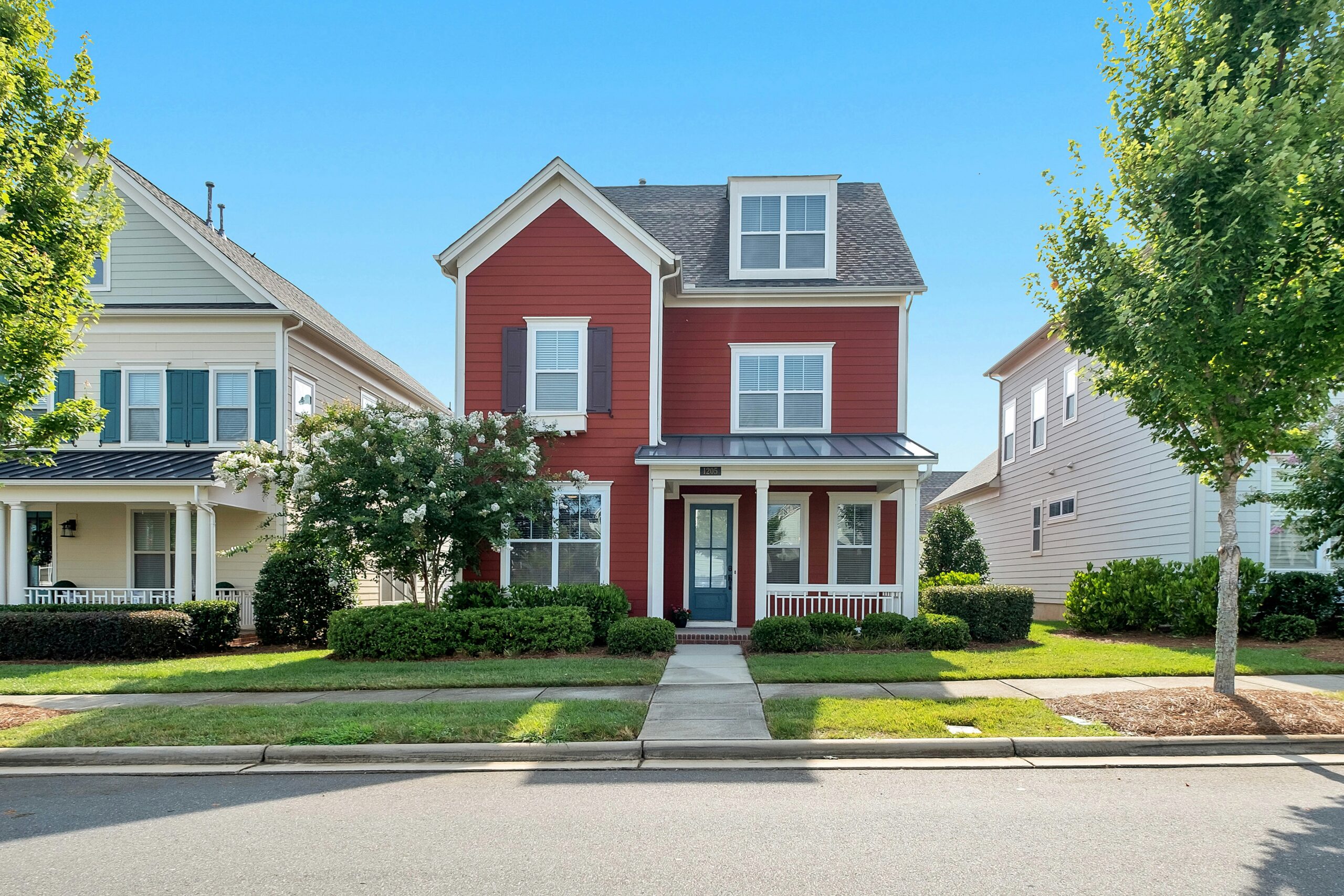
Columbus Housing Crisis 2025: Why America’s “Affordable City” Is Becoming Unaffordable — A Deep Analysis of Prices, Growth & Future Risks
Columbus, Ohio once ranked among America’s most affordable large cities, but rapid population growth, price spikes and limited housing supply are driving an emerging affordability crisis. This 3,500-word analysis explains what’s happening, why it matters, and what buyers, renters and investors must know in 2025.
Columbus, Ohio Housing Affordability Crisis 2025: How a Growing City Became More Expensive — And What Comes Next
⭐ Introduction: A Formerly Affordable City at a Crossroads
🏙️
For decades, Columbus, Ohio marketed itself as a place where middle-class families could thrive without the financial pressures seen in coastal cities. Affordable homes, stable job markets, and a high quality of life helped the region attract young professionals, growing families, and major employers. But in 2025, that reputation is under strain.
Home prices in Columbus have surged at some of the fastest rates in the Midwest. Rents are rising, inventory is shrinking, and first-time buyers are increasingly priced out of neighborhoods they once assumed were within reach. The same growth that made Columbus attractive is also fueling a housing crunch that threatens its long-standing affordability advantage.
This article explores the full picture: economic forces, demographic changes, investment patterns, supply bottlenecks, policy responses, and what the future could look like for residents, investors, policymakers, and the housing market itself.
1. 📊 Columbus’s Rapid Growth: The Engine Behind Rising Housing Costs
🌱 1.1 Population Growth Outpaces All Projections
Columbus is one of the fastest-growing metro areas in the Midwest. Its growth is driven by:
-
Young adults leaving expensive cities for opportunity and affordability
-
Students relocating for Ohio State University and staying after graduation
-
Major employers, including tech and logistics firms
-
A strong biomedical and healthcare sector
-
A diversifying economic base that attracts startups and investment capital
Over the last decade, Columbus’ population has grown significantly faster than the national average. Inflows of residents bring spending power and economic vibrancy — but also heightened demand for housing.
With housing construction lagging behind demand, home prices have climbed sharply. Columbus is no longer a “hidden gem.” It is now a high-demand destination. And demand is reshaping the housing market faster than infrastructure can keep up.
2. 🏠 Columbus Home Prices Surge Faster Than Expected
📈 2.1 The Post-2020 Boom
The pandemic reshaped housing markets nationwide, but Columbus experienced an unusually strong price boom. Many families relocated from higher-cost states, attracted by Ohio’s lower cost of living and job opportunities. This migration increased competition and triggered multiple-offer situations in neighborhoods previously known for stable pricing.
Key drivers of Columbus’ price surge include:
-
Out-of-state buyers offering above-asking prices
-
Investors purchasing rental properties and single-family homes
-
Remote workers seeking more space
-
Limited inventory at a time of unprecedented demand
The region’s home price appreciation over the past few years has moved Columbus into a new category — no longer simply “affordable,” but “in demand.”
3. 📉 Why Housing Supply Is Not Keeping Up
🚧 3.1 Construction Delays and Zoning Limitations
Columbus’ housing supply issues stem from several interconnected factors:
-
Construction labor shortages
-
Rising material costs since 2021
-
Limited land availability near job centers
-
Zoning rules that restrict multi-unit construction
-
Higher borrowing costs for developers
A backlog of construction projects means that even developers who want to build more homes face challenges.
🏗️ 3.2 Slow Permit Approvals
Local governments have struggled to process building permits quickly enough. In some suburbs and districts, approval timelines have nearly doubled in recent years.
🌆 3.3 Development Opposition (“NIMBYism”)
Some neighborhoods oppose increasing density, limiting the city’s ability to build the number of units needed to stabilize prices. This is especially problematic in high-demand neighborhoods near downtown, near Ohio State University, and in fast-growing suburbs.
4. 💸 The Affordability Crunch: Who Is Getting Squeezed?
🧑💼 4.1 Middle-Income Adult Buyers
Columbus’ middle class — once the backbone of the city’s homebuying market — now struggles to find homes within their price range. What used to be a $220,000–$280,000 “starter home” market has shifted out of reach for many.
👨👩👧 4.2 Families Upsizing
Families looking for larger homes face steeper competition. Many now must choose between:
-
Moving further outside the city
-
Paying significantly higher mortgage costs
-
Remaining in a home that no longer fits their needs
🏘️ 4.3 Long-Time Residents Facing Displacement
Rising property taxes and rent increases are pressuring long-time residents in historically stable neighborhoods.
🎓 4.4 Young Adults and First-Time Buyers
The group most affected: young people.
Many who grew up in the Columbus region or studied at OSU now face a tough reality — buying a home in their hometown may no longer be feasible.
5. 🏢 The Rise of Investor and Institutional Activity
💼 5.1 Out-of-State Investors Target Columbus
Columbus has become attractive for investors because:
-
Strong job growth suggests long-term rental demand
-
Home prices have historically been lower than national averages
-
Stable neighborhoods provide predictable returns
-
Population growth creates consistent tenant demand
This influx of investor activity, especially in single-family homes, pushes first-time buyers into direct competition with cash buyers.
🏦 5.2 Institutional Buyers
Larger investment companies, including real estate funds, have also moved into the Columbus market. They often:
-
Buy homes in bulk
-
Pay above market value
-
Outbid local families
-
Convert single-family homes into rentals
This accelerates the affordability crisis, particularly in neighborhoods with high appreciation potential.
6. 📉 Rental Market Pressures Intensify
🏘️ 6.1 Rising Rents Across the City
Renters in Columbus are dealing with:
-
Higher monthly rent costs
-
Increased competition for units
-
Fewer affordable properties
-
Rising utility and living expenses
Some residents who planned to rent for a few years before buying now find themselves stuck — rents rising on one end, home prices rising even faster on the other.
🔄 6.2 The Rent-vs-Buy Dilemma
For many residents, renting feels more affordable in the short term, but long-term financial security becomes uncertain when the path to homeownership is blocked by rising prices.
7. 📍 Geography of Affordability: Which Neighborhoods Are Most Affected?
🌇 7.1 Central and Popular Neighborhoods
Neighborhoods with the fastest price growth include:
-
Short North
-
German Village
-
Clintonville
-
Grandview Heights
-
Dublin
-
Upper Arlington
These areas benefit from amenities, schools, walkability, and access to major employers — but are now out of reach for many buyers.
🏘️ 7.2 Suburbs Once Considered Affordable
Communities such as:
-
Gahanna
-
Hilliard
-
Westerville
-
Grove City
were once the go-to for middle-income families. Now they are experiencing rapid appreciation and competitive bidding.
🚗 7.3 The “Drive Until You Qualify” Trend
More buyers are being pushed 30–60 minutes outside Columbus to find affordable options.
But longer commutes increase transportation costs, negating some of the savings.
8. ⚙️ Policy Responses: What Columbus Is Doing to Improve Affordability
🏛️ 8.1 Housing Bonds and Funding Initiatives
Columbus has introduced substantial investments in affordable housing, including major bond packages designed to:
-
Support low-income housing construction
-
Fund mixed-income developments
-
Provide rental assistance initiatives
📐 8.2 Zoning Reform Efforts
City leaders are exploring:
-
Allowing more multi-unit homes in key districts
-
Encouraging transit-oriented developments
-
Reducing parking requirements that limit density
-
Supporting accessory dwelling units (ADUs)
💡 8.3 Public–Private Partnerships
Collaborations with developers and nonprofits aim to build more units faster — but it’s still not enough to meet demand.
9. 🔮 Looking Ahead: Columbus Housing Market Forecast for 2025-2030
📌 9.1 The Likely Scenario
Unless construction accelerates dramatically, Columbus may continue experiencing:
-
High home prices
-
Rising rents
-
Inventory shortages
-
Growing affordability gaps
-
Increased outward migration of young residents
🚀 9.2 Potential for Stabilization
If zoning reforms succeed and supply increases, the city could restore affordability — but experts believe meaningful relief may take years.
🧭 9.3 Long-Term Outlook
Columbus will likely remain:
-
A growing economic hub
-
A magnet for employers
-
A top Midwest destination
-
A competitive housing market for at least the next decade
10. 📝 What Buyers, Renters & Investors Should Do Now
🔍 For Buyers
-
Get mortgage pre-approval early
-
Be ready for competitive bidding
-
Consider homes needing light renovation
-
Expand neighborhood search radius
-
Work with agents specializing in competitive markets
📌 For Renters
-
Negotiate renewal rates
-
Look for new-build apartment promotions
-
Explore suburbs and secondary neighborhoods
💼 For Investors
-
Focus on long-term rental demand
-
Monitor local regulations
-
Prioritize stable neighborhoods with strong schools
-
Avoid speculative flipping in overheated markets
Conclusion: Columbus at a Turning Point
⭐
Columbus has transformed from an affordable regional hub into a rapidly growing metropolitan area facing intensifying housing pressures. Its strong job market, population growth, and investment inflows have elevated the city’s profile — but also triggered a housing affordability crisis that is reshaping the lives of residents.
The coming years will be a critical test of how Columbus balances growth with accessibility, economic vibrancy with community needs, and opportunity with equity.
If policymakers, developers, and communities collaborate effectively, Columbus can remain a dynamic city where people of all backgrounds can build a future. But without bold action, the affordability challenges may only deepen — pushing out the very people who helped make the city thrive.
🔗 Direct Source Links
-
Wall Street Journal – Columbus Housing Affordability
https://www.wsj.com/real-estate/columbus-ohio-housing-affordability-de355f5e -
Axios Columbus – Young Residents Considering Leaving
https://www.axios.com/local/columbus/2025/12/08/young-adults-residents-ohio -
New York Post – Homebuyers Flocking to Affordable “Refuge Markets”
https://nypost.com/2025/12/08/real-estate/homebuyers-looking-for-affordability-are-flocking-to-refuge-markets -
McKinsey – Inclusive Housing Growth (Columbus Case Study)
https://www.mckinsey.com/industries/social-sector/our-insights/sustainable-inclusive-housing-growth-a-case-study-on-columbus-ohio -
City & building data sources
https://www.columbus.gov
https://ohiodata.maps.arcgis.com
https://www.census.gov




0 Comments