
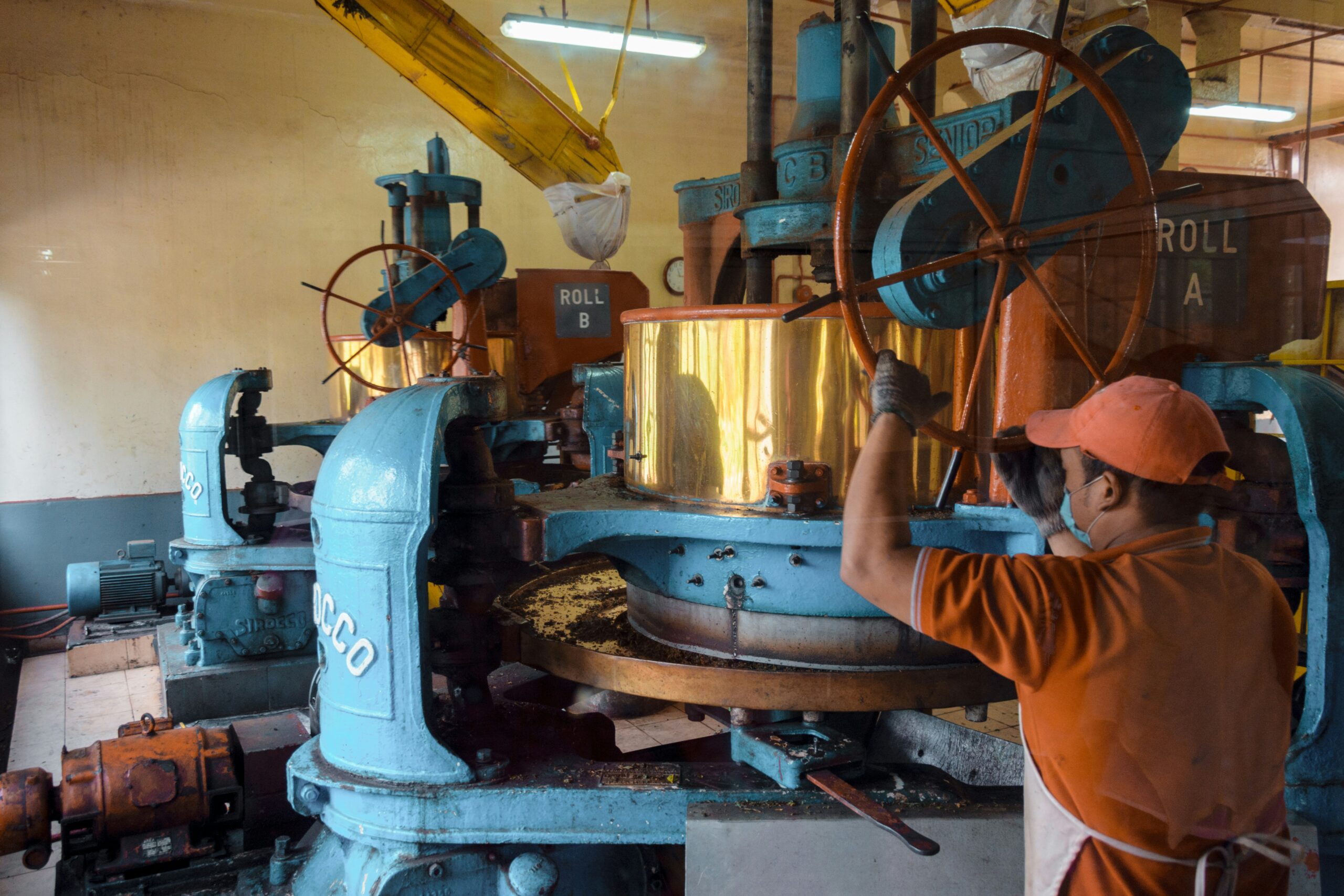
Discover the story behind Malaysia’s last surviving match factory — a living industrial relic battling modern pressures, falling demand, and global change. This 3500-word deep-dive explores its history, challenges, workers, and cultural significance for Malaysia’s industrial heritage.
🔥 Inside Malaysia’s Last Match Factory: A 3500-Word Deep Dive into Heritage, Industry, and Survival
🧭 Introduction: A Flame That Refuses to Go Out
In a quiet part of Kota Bharu, Malaysia, stands a factory that seems almost frozen in time. While the world races toward digital efficiency, automation, and sleek manufacturing processes, the Kelantan Match Factory continues striking tiny wooden sticks into life — one batch at a time.
This factory is widely believed to be the last match factory operating in Malaysia, and it symbolizes far more than the simple act of producing matches. It represents:
-
A disappearing industry
-
Generational craftsmanship
-
Economic slowdown in traditional sectors
-
The survival of small manufacturing against global competition
-
The quiet dignity of labor in an era of digital dominance
This article takes you through a full educational, economic, cultural, and historical analysis of Malaysia’s last match factory — why it still exists, what it represents, and how it fits into Malaysia’s broader heritage story.
🌲 1. The Origins: A Factory Born from Wood, Labor, and Necessity
🪵 A Legacy Beginning in the 1930s
Founded nearly a century ago, the Kelantan Match Factory began during a time when matches were essential to every Malaysian household. Electricity was far from widespread, and the need for controlled fire — to cook, light lanterns, and heat water — created high demand.
For decades, matches were part of daily life. The factory grew with that demand, eventually reaching a workforce of nearly 1,000 people at its peak. Its workers contributed to an industry that was both simple and vital.
⚙️ Why Matches Were Once a National Commodity
Before lighters became cheap and disposable, matches were:
-
Affordable
-
Widely available
-
Easy to use
-
Safe to store
-
A universal product for both rural and urban Malaysians
This widespread use meant the factory was not simply a business — it was a pillar of domestic industry, supporting families and communities across Kelantan.
🏭 2. A Peak of Productivity — And a Slow Decline
📉 Declining Demand in the Modern Era
By the late 1990s and 2000s, the shift began. Cheap plastic lighters flooded the market. Electric ignition stoves became standard in homes. Fire usage moved from necessity to occasional convenience.
Internal market studies and workers’ accounts suggest that match sales have fallen 50–70% from three decades ago.
🔌 The Technology Shift That Changed Everything
The decline in match demand mirrors larger consumer trends:
-
Electric stoves replaced gas burners
-
Candle use dropped as power grids expanded
-
Cigarette smoking habits changed
-
Lighters became cheaper than matchboxes
-
Households preferred long-lasting ignition tools
This factory’s continued existence is therefore not driven by demand — but by commitment.
👷 3. The People Behind the Flame: Workers Keeping History Alive
🧓 The Veteran Manager — Over 30 Years of Dedication
One of the most iconic figures at the factory is its long-time supervisor, affectionately known as “Matchstick Wee,” a man in his mid-70s. His decades of service embody the loyalty and resilience of traditional manufacturing workers.
His leadership ensures that production still flows even with a workforce that has dwindled dramatically.
🧑🏭 A Workforce Shrinking from 1,000 to 30
Today, only about 30 workers remain. These include:
-
Senior staff who have spent decades in the factory
-
Middle-aged workers who rely on the factory for stable employment
-
A handful of younger employees in their 20s
The mix of ages creates a rare multi-generational workspace — a living museum of Malaysian manufacturing.
💼 The Emotional Weight of “Lastness”
Being part of the last factory in an industry carries emotional meaning:
-
Pride in preserving a disappearing craft
-
Anxiety about job stability
-
Nostalgia for the factory’s bustling past
-
Responsibility to pass on traditional skills
This human dimension gives the factory a story far richer than simple production statistics.
🪵 4. Raw Materials: From Local Wood to Imported Supplies
🌳 Deforestation and the Decline of Local Wood
Malaysia’s significant deforestation over the decades has had wide-ranging consequences, including:
-
Loss of local wood supply
-
Rising prices for timber
-
Competition with construction and furniture industries
-
Environmental regulations limiting logging
The match factory once relied heavily on local wood. Not anymore.
🚢 Forced to Import Materials
Today, the factory must import most of its essential materials. This creates new constraints:
-
Higher costs
-
Longer supply chains
-
Vulnerability to global price fluctuations
-
Difficulty maintaining consistent production schedules
These challenges push a small traditional factory into the same global marketplace dominated by industrial giants.
🧪 5. The Production Process: Slow, Hands-On, and Timeless
🪓 Step 1 — Cutting and Preparing the Wood
Workers begin by processing imported timber into thin sticks. This stage requires precision — each stick must be uniform for safety and quality.
🖌 Step 2 — Treating the Sticks
The sticks are coated with chemicals and dried in controlled conditions. Workers meticulously inspect batches to ensure consistency.
🔥 Step 3 — Adding the Combustible Tip
The famous match head is applied using a multi-stage chemical process that has been perfected over decades.
📦 Step 4 — Packaging the Matches by Hand and Machine
Although modern machinery helps, much of the fine work still relies on human hands:
-
Inspecting defective sticks
-
Assembling matchboxes
-
Quality control per batch
This hybrid process means the factory still operates the way it did in the 1960s — slow, steady, methodical.
📸 6. A Tourist Curiosity: Unexpected Visitors
🎒 Walk-In Tourists and Photographers
Despite its industrial nature, the factory has unexpectedly become a small tourist attraction. Visitors show interest in:
-
The vintage machinery
-
The traditional production line
-
The rustic, authentic environment
-
The workers’ stories
The factory’s visuals — wooden trays, manual sorting, and aging production halls — make it a magnet for photographers and culture enthusiasts.
🏺 A Living Museum Without Official Status
Though not recognized as a heritage site, in practice the factory serves as:
-
A cultural time capsule
-
A representation of Malaysia’s early manufacturing era
-
A storytelling space for industrial evolution
The fascination comes from seeing a process unchanged by automation — a rarity in today’s world.
📉 7. Why the Industry Vanished: A Deep Economic Analysis
📦 7.1 Consumer Shifts
Modern consumers prefer:
-
Electric appliances
-
Reusable lighters
-
Safer ignition tools
-
“Instant” solutions
Matches lost relevance in households.
🌍 7.2 Global Competition
Foreign factories mass-produce matches at prices local producers cannot match. Globalization made the match industry one of the earliest casualties of free-market competition.
⚠️ 7.3 Safety Regulations
Chemical and fire-safety rules tightened, raising costs for small match plants.
🪵 7.4 Raw Material Shortages
With wood becoming more expensive, small factories face unsustainable overhead.
📊 7.5 Large Retail Chains No Longer Stock Matches
Supermarkets prefer higher-margin goods. Convenience stores favor lighters. Matches are now considered “low-demand shelf fillers.”
📚 8. Cultural Significance: Why This Factory Still Matters
📜 8.1 A Symbol of Malaysia’s Early Industrialization
The match factory tells the story of:
-
Domestic manufacturing
-
Local resource use
-
Early labor organization
-
Pre-globalized economic life
It reflects the country’s transition from agrarian to industrial society.
👨🏭 8.2 A Tribute to Blue-Collar Craftsmanship
Workers here represent generations of Malaysians who powered the nation’s industries long before automation.
🧭 8.3 A Reminder of Sustainability and Simplicity
The timelessness of a matchbox — simple, recyclable, biodegradable — stands in contrast to disposable plastic lighters.
🔮 9. What’s Next? The Future of Malaysia’s Last Match Factory
🕯 Will It Become a Heritage Site?
Heritage recognition could:
-
Preserve the factory
-
Attract tourism
-
Protect machinery
-
Create educational programs
-
Document cultural history
🏛 Could It Become a Museum?
With proper funding, the site could feature:
-
Exhibits on match manufacturing
-
Demonstrations of traditional processes
-
Worker oral histories
-
Industrial photography galleries
🏭 Could It Modernize?
Another path is limited modernization — but this risks losing the charm that makes it culturally significant.
⚠️ Could It Close?
This is possible if:
-
Raw material prices spike
-
Worker numbers fall further
-
Demand drops to near zero
-
Operational costs become unsustainable
For now, it survives — but its future is fragile.
💡 10. Conclusion: A Small Factory with a Big Story
Malaysia’s last match factory is more than an industrial operation. It is:
-
A monument to human persistence
-
A bridge between generations
-
A living reminder of Malaysia’s industrial roots
-
A fragile flame that continues to burn despite the wind
In a world defined by speed and efficiency, this small factory stands as a testament to the value of tradition, craftsmanship, and cultural memory.
Its story is about more than matches — it’s about Malaysia’s identity, history, and the quiet resilience of its people.



0 Comments