
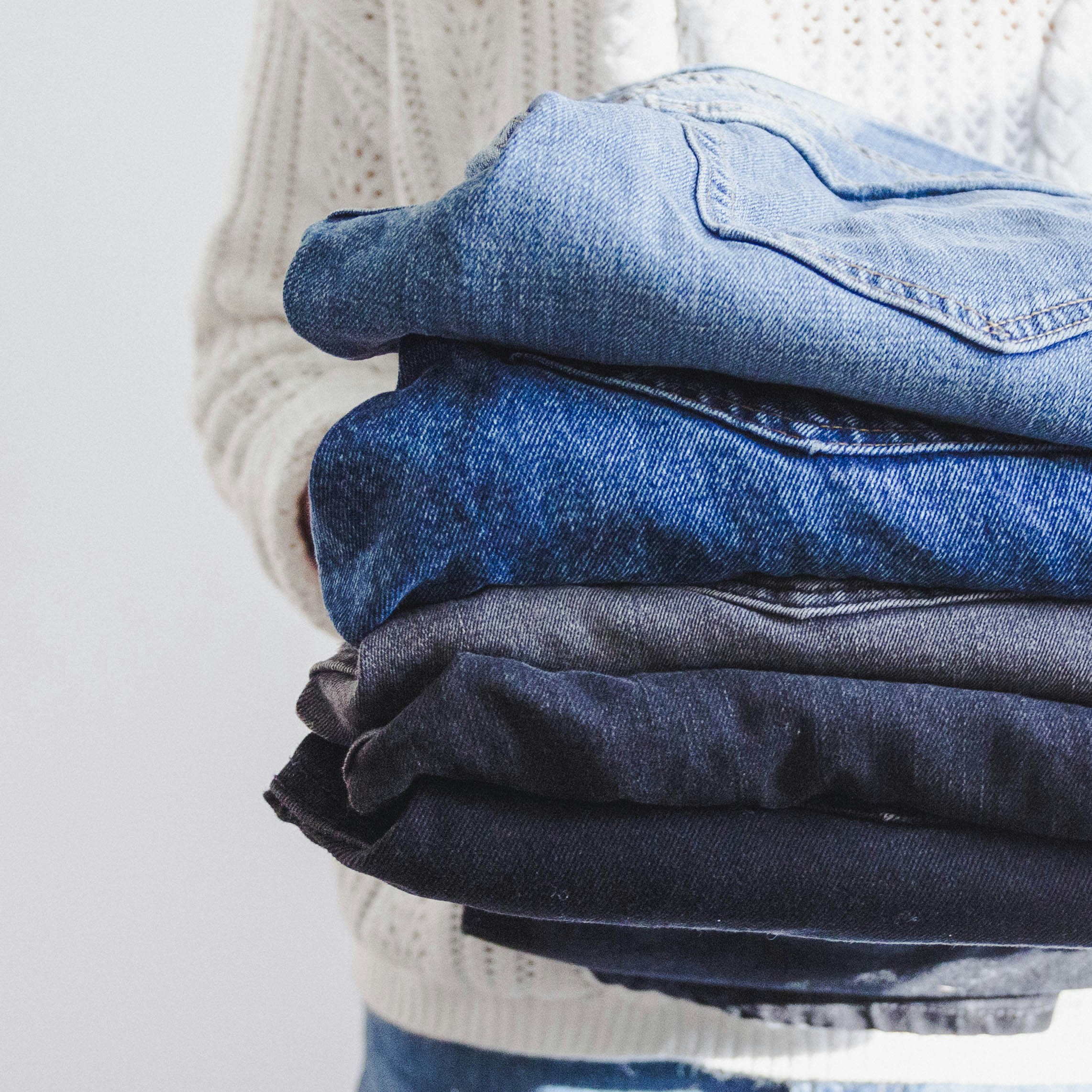
👖 The Story of Denim: From Workwear to Global Icon
Explore the rich history of denim — how rugged workwear fabric turned into the iconic jeans worn worldwide, evolving across centuries of culture, industry, and style.
Introduction – Denim’s Journey from the Margins to Mainstream
Denim is one of the most ubiquitous fabrics on earth — the backbone of a fashion staple we all know: jeans. Yet, few realize how humble and utilitarian denim’s origins are. Created for laborers, miners, and gold‑rush pioneers, this sturdy twill fabric was built for hard work, not runways. Over time, denim transformed from functional workwear to a symbol of rebellion, youth culture, and everyday style.
In this article, we trace the remarkable evolution of denim — its early fabric origins, the invention of jeans, fashion revolutions, cultural adoption, and what denim says about identity today.
The Early Roots: Twill, Trade & Fabric Innovation
🌍 Origins of Twill Fabrics
Denim’s story begins centuries ago, not in America, but in Europe. The word “denim” is believed to derive from the French phrase serge de Nîmes, meaning “serge from Nîmes” — a sturdy twill-weave cloth produced around the city of Nîmes in southern France. This fabric was woven with durable cotton and designed to resist wear and tear.
At the same time, a similar sturdy cotton twill — “jean cloth” — was woven in Genoa, Italy. Merchants exported this fabric widely, and it gained a reputation for being durable and affordable, ideal for workwear among sailors and laborers.
Over time, fabrics from Nîmes (denim) and from Genoa (jean) began to influence cloth manufacturing across Europe and eventually made their way to the New World.
The New World & Working‑Class Apparel
As colonization and expansion progressed, demand grew for tough, affordable clothing in mining, farming, and industrial contexts. The existing twill fabrics fit the bill. The mix of cotton, strong weave, and practical colors made these textiles ideal for working conditions — a legacy that would shape denim’s future.
Birth of Jeans: Workwear Meets Innovation
🔧 Why Durable Pants Were Needed
In the mid‑19th century, as mining booms and manual labor expanded across America — especially during the Gold Rush — workers needed clothing that could handle abuse: abrasion, heavy use, and harsh conditions. Traditional pants wore out too fast.
♟️ Enter the Rivets: A Revolution in Durability
The turning point came with the innovation of reinforced stitching and metal rivets. Levi Strauss — a Bavarian immigrant turned clothing merchant — partnered with Jacob Davis, a tailor, to patent a new type of work pant in 1873. Their design used heavy-duty cotton twill (denim) plus copper rivets at stress points like pocket corners. This made a dramatic difference: pants that lasted months or years where traditional trousers failed in weeks.
Thus the first “jeans” were born — practical, tough, and built for working men.
👖 From Work Pants to American Icon
Although born of necessity, these pants soon became widespread. Railroad workers, miners, and laborers of all stripes adopted them. Their functionality, affordability, and durability made them a natural standard for working‑class apparel.
Denim & Jeans in the 20th Century — Rise of Pop Culture
🎬 From Dusty Mines to Silver Screen
By the early 1900s, jeans had established themselves as the go-to workwear in many industries. But the real transformation came mid‑century. Western films, Hollywood stars, and media portrayals romanticized rugged individualism, cowboy life, and youthful rebellion — often clad in denim.
Jeans evolved from practical to symbolic. They represented freedom, rebellion, and identity. Teenagers, artists, and counterculture movements adopted them to distance themselves from formal suits and conformity.
🧑🎤 The 1950s and ’60s: Youth Rebellion & Fashion Statement
Stars in movies and music embraced denim as a sign of defiance. Jeans became a badge of youthful attitude, rebellion against conservative norms, and alignment with subcultures. Denim’s toughness matched its symbolic resilience.
🌎 Global Spread and Cultural Adaptation
By the 1970s and 1980s, jeans had migrated far beyond America. Globalization, media, and cultural exchange turned denim into a worldwide staple. Manufacturers in Europe, Asia, and beyond began producing denim garments — often reinterpreting styles, colors, and fits to reflect local tastes.
Jeans became a cross-cultural uniform: comfortable, versatile, and universal.
The Evolution of Style: Fashion Takes Over Function
🔄 Style Innovation & Jean Varieties
Over decades, jeans diversified. From straight-cut work pants to slim-fit, boot-cut, flared, destroyed, and skinny jeans — the silhouette evolved with fashion trends. Denim washes, distressing, fading, colored dyes, and embellishments turned rugged workwear into runway fashion.
Designers experimented with stretch denim, eco-friendly washes, and hybrid fabrics — meeting modern demands for comfort, sustainability, and style.
♻️ Sustainability & Ethical Denim — The Modern Challenge
In recent years, the denim industry has faced criticism for environmental impact — water usage, chemical dyes, and waste from fast fashion. As a result, many brands have shifted toward sustainable practices: organic cotton, water‑saving wash techniques, recycling, and fair labor standards. This modern pivot shows denim’s adaptability: even as an old fabric, it evolves with contemporary values.
Denim as Cultural Symbol & Identity Marker
Denim and jeans are more than clothing — they are a statement.
-
Social status & class roots: Jeans began as working‑class garments. Even as they became fashionable, they retained an aura of authenticity, grit, and practicality.
-
Rebellion and youth culture: From rebellious teens to activists, jeans have represented freedom, non-conformity, and self-expression.
-
Global unity and cultural exchange: A person in Tokyo, Paris, or São Paulo can wear jeans — a garment born in 19th‑century America — as a shared symbol of modern identity.
-
Versatility and personal style: Jeans can be dressed up or down, adapted to many aesthetics — from rugged denim jackets to high-fashion streetwear.
In short, denim’s cultural longevity stems from its physical resilience and symbolic flexibility.
Why Denim Matters Today & What the Future Holds
🧵 Innovation in Fabric & Manufacturing
Modern denim producers are experimenting with new materials — recycled fibers, organic cotton, stretch weaves, and low‑impact dyes. The goal: retain durability and aesthetics while reducing environmental footprint.
🌱 Ethical and Sustainable Fashion Movement
Consumers are increasingly aware of fashion’s environmental and social impact. Denim brands that prioritize fair‑trade labor, water conservation, and sustainable sourcing are rising in popularity.
🧑🤝🧑 Cultural Relevance in a Globalized World
As societies globalize, denim remains a universal language — adaptable to different climates, cultures, genders, and subcultures. Its simplicity and familiarity make it a canvas for personal style, identity, and cultural exchange.
📈 The Continuous Appeal of Timelessness
Unlike many trends that fade, denim persists. Why? Because it serves both function and fashion. It’s durable, practical, and infinitely malleable in style. In a fast-changing world, denim provides continuity.
Conclusion — Denim’s Legacy: A Fabric That Refuses to Fade
From the sweat-stained pants of 19th‑century miners to the stylish jeans of global youth culture, denim’s journey is a testament to resilience — of cloth, of individuals, and of cultural ideas.
Jeans remind us that utility can become iconic, that working‑class roots can become universal statements, and that a simple fabric can carry complex histories.
In wearing denim, we inherit a legacy of labor, reinvention, and shared human experience — a legacy woven not just in cotton, but in identity, culture, and time.
Whether you’re wearing vintage straight‑cut jeans or modern stretch denim, you carry forward a story older than many nations — and as enduring as the fabric itself.
🔗 Suggested Sources & Further Reading
-
“The history of denim and how jeans were created” — CNBC article (Dec 2025). Source: https://www.cnbc.com/2025/12/06/the-history-of-denim-and-how-jeans-were-created.html
-
“Denim: The Fabric that Changed Fashion” — textile history essays & archives.
-
Research on the origins of “serge de Nîmes” and Genoa “jean cloth” — European textile history journals.
-
Studies on denim manufacturing’s environmental impact and modern sustainable practices.
-
Cultural analyses of jeans in global youth and fashion movements (1950s–today).




0 Comments