
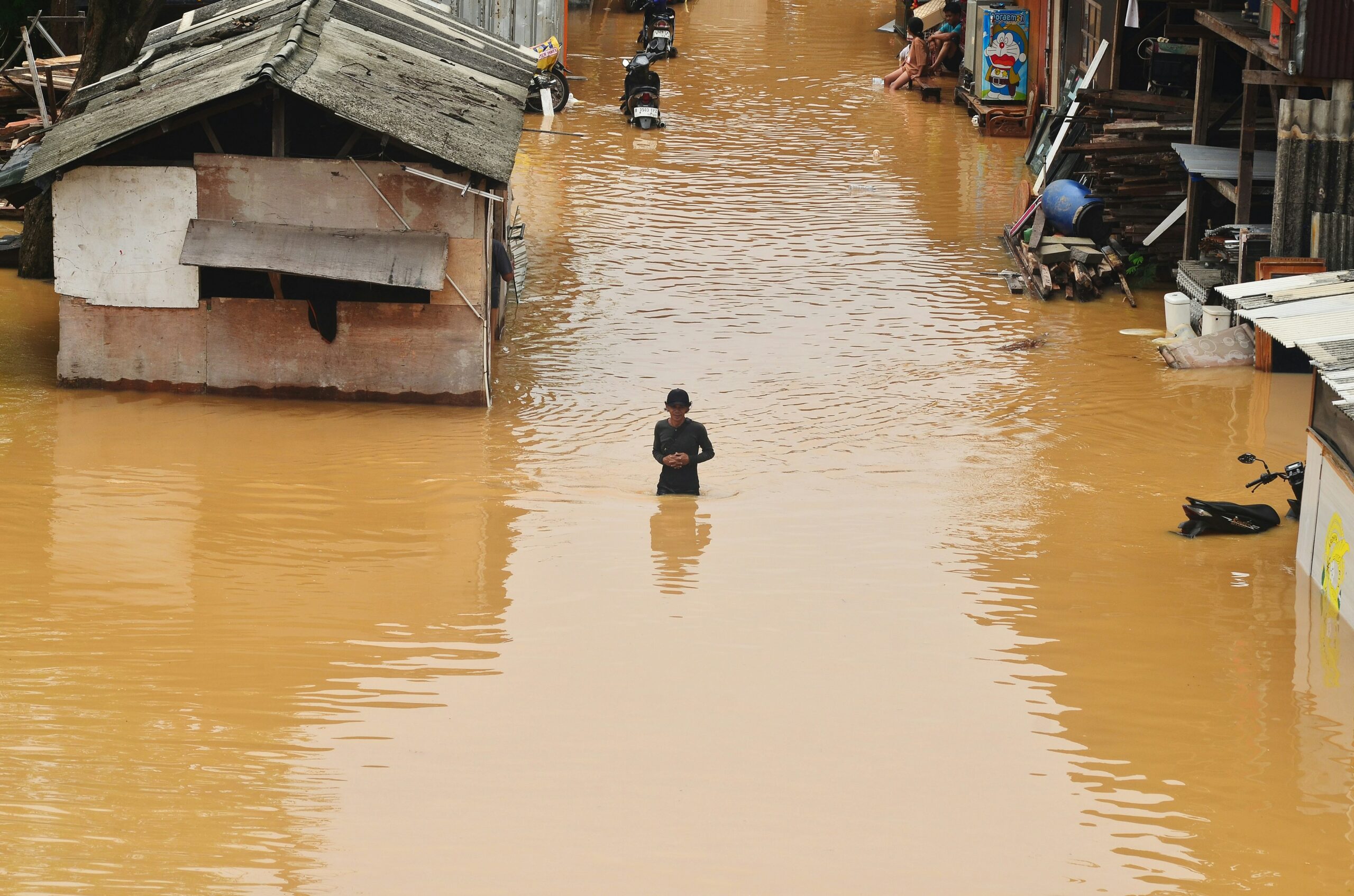
FEMA Under Pressure: The Growing Strain of Disasters on U.S. Emergency Management
As hurricanes, wildfires, and floods intensify, FEMA faces unprecedented challenges. This analysis explores staffing, response delays, and systemic reforms affecting U.S. disaster preparedness.
🌪 Introduction
Natural disasters in the United States are becoming increasingly frequent and severe. Hurricanes, wildfires, floods, and storms are no longer isolated events; they have evolved into recurrent crises that challenge even the most robust emergency response systems. Central to these efforts is the Federal Emergency Management Agency (FEMA), responsible for coordinating disaster preparedness, response, and recovery nationwide.
However, recent reports reveal that FEMA is struggling to keep pace. Staffing shortages, organizational restructuring, and policy changes are limiting the agency’s effectiveness at a time when disaster risks are at an all-time high. This article explores the root causes of these challenges, the consequences for U.S. communities, and potential strategies for strengthening national resilience.
🔎 Current Challenges Facing FEMA
1. Staffing Shortages and Leadership Gaps
One of the most pressing issues is the loss of experienced personnel. FEMA has faced a wave of resignations and retirements in critical divisions, particularly within Urban Search and Rescue teams. These specialized teams are essential for rapid deployment during hurricanes, floods, and other emergencies.
Leadership instability further compounds the problem. Changes in administration priorities have created a sense of uncertainty among FEMA staff, which may contribute to attrition and reduce operational efficiency.
2. Delays in Disaster Response
In an era of intensifying storms and wildfires, timely response is vital. Yet FEMA’s bureaucratic processes often result in delays in deploying rescue teams, equipment, and financial aid. Communities hit by disasters may face extended waiting periods for life-saving assistance, undermining trust in federal support systems.
Moreover, disaster hotlines and online aid systems have been criticized for poor responsiveness during peak periods. This has left residents uncertain about how to access essential resources during crises.
3. Funding Constraints and Resource Allocation
Budgetary limitations have placed additional pressure on FEMA. Funding cuts to prevention, mitigation, and recovery programs limit the agency’s ability to pre-position resources and support local governments effectively. Consequently, disaster preparedness initiatives, particularly in vulnerable regions, are often underfunded.
4. Increasing Complexity of Disasters
Natural disasters are not only more frequent but also more complex. Hurricanes now often carry higher wind speeds and heavier rainfall, while wildfires spread faster due to prolonged droughts and hotter temperatures. These evolving threats require advanced technology, real-time data, and highly trained personnel — all of which strain FEMA’s existing capacity.
🌐 The Implications for U.S. Communities
The consequences of a strained FEMA extend beyond agency walls. Communities, especially those in high-risk or low-resource areas, face multiple challenges:
-
Extended wait times for rescue and relief services
-
Increased reliance on state and local resources, which may be insufficient
-
Greater vulnerability of at-risk populations, including the elderly, disabled, and economically disadvantaged
-
Economic strain due to delayed recovery, affecting infrastructure, businesses, and household finances
These challenges highlight a critical gap between disaster preparedness policy and on-the-ground effectiveness.
🛠 Strategies for Strengthening FEMA
While the challenges are significant, experts suggest several approaches to improve FEMA’s capacity and performance:
1. Restoring Staffing Levels
Investing in recruitment and retention of specialized personnel, particularly in disaster-response and search-and-rescue units, is essential. Competitive salaries, professional development opportunities, and clear career pathways can help attract and retain talent.
2. Streamlining Bureaucracy
Reducing bureaucratic bottlenecks in resource allocation, approvals, and contracting can accelerate disaster response. Decision-making processes should be decentralized, giving regional and local offices greater flexibility to deploy resources rapidly.
3. Enhancing Community Preparedness
FEMA can expand programs that support local emergency management, resilience planning, and public education. These initiatives empower communities to respond effectively while federal resources are mobilized.
4. Leveraging Technology
Real-time data analytics, geographic information systems (GIS), and predictive modeling can improve FEMA’s decision-making capabilities. Technologies like drones, AI-assisted mapping, and satellite imagery enable faster assessment of disaster zones and optimize resource allocation.
5. Increasing Funding for Prevention and Mitigation
Investing in infrastructure improvements, flood defenses, wildfire management, and resilient building practices reduces overall disaster impact. Proactive measures are often more cost-effective than reactive emergency response.
🌍 The Broader Context
FEMA’s challenges are part of a larger conversation about U.S. resilience in the face of climate change and extreme weather events. The increasing severity of disasters is not isolated; it reflects global trends of rising temperatures, shifting weather patterns, and environmental degradation.
For policymakers, the question is not only how to respond but also how to prevent disasters from becoming catastrophic. Integrating FEMA’s efforts with broader climate adaptation strategies, local planning, and international cooperation can create a more resilient nation.
📊 Case Studies
Hurricane Season 2025
During the 2025 hurricane season, multiple coastal states experienced major storms. FEMA’s response was criticized for delayed deployment of personnel and supplies, particularly in rural areas. While urban centers received aid more quickly, smaller communities faced longer waits, highlighting the uneven impact of resource allocation.
Wildfire Outbreaks in the West
Wildfires in western states have intensified due to prolonged droughts. FEMA’s Urban Search and Rescue teams were stretched thin, leading to gaps in fire suppression support and evacuation assistance. Technology gaps, including limited drone coverage and predictive modeling, also hindered response efforts.
🔍 Long-Term Solutions
Addressing FEMA’s challenges requires a combination of organizational, technological, and policy reforms:
-
Enhanced workforce development
-
Improved interagency coordination
-
Robust disaster funding mechanisms
-
Strategic pre-positioning of emergency supplies
-
Public-private partnerships for innovation in disaster management
These solutions aim not only to improve immediate response but also to build long-term resilience across communities.
✅ Conclusion
The United States faces a growing disaster management challenge. FEMA, as the central federal agency for emergency response, is under pressure from staffing shortages, funding constraints, and increasingly complex disaster scenarios.
Strengthening FEMA requires a multifaceted approach: restoring staff expertise, streamlining bureaucracy, investing in technology, and empowering communities. Only through these measures can the nation ensure rapid, effective responses to hurricanes, wildfires, floods, and other disasters — protecting lives, property, and economic stability.




0 Comments