
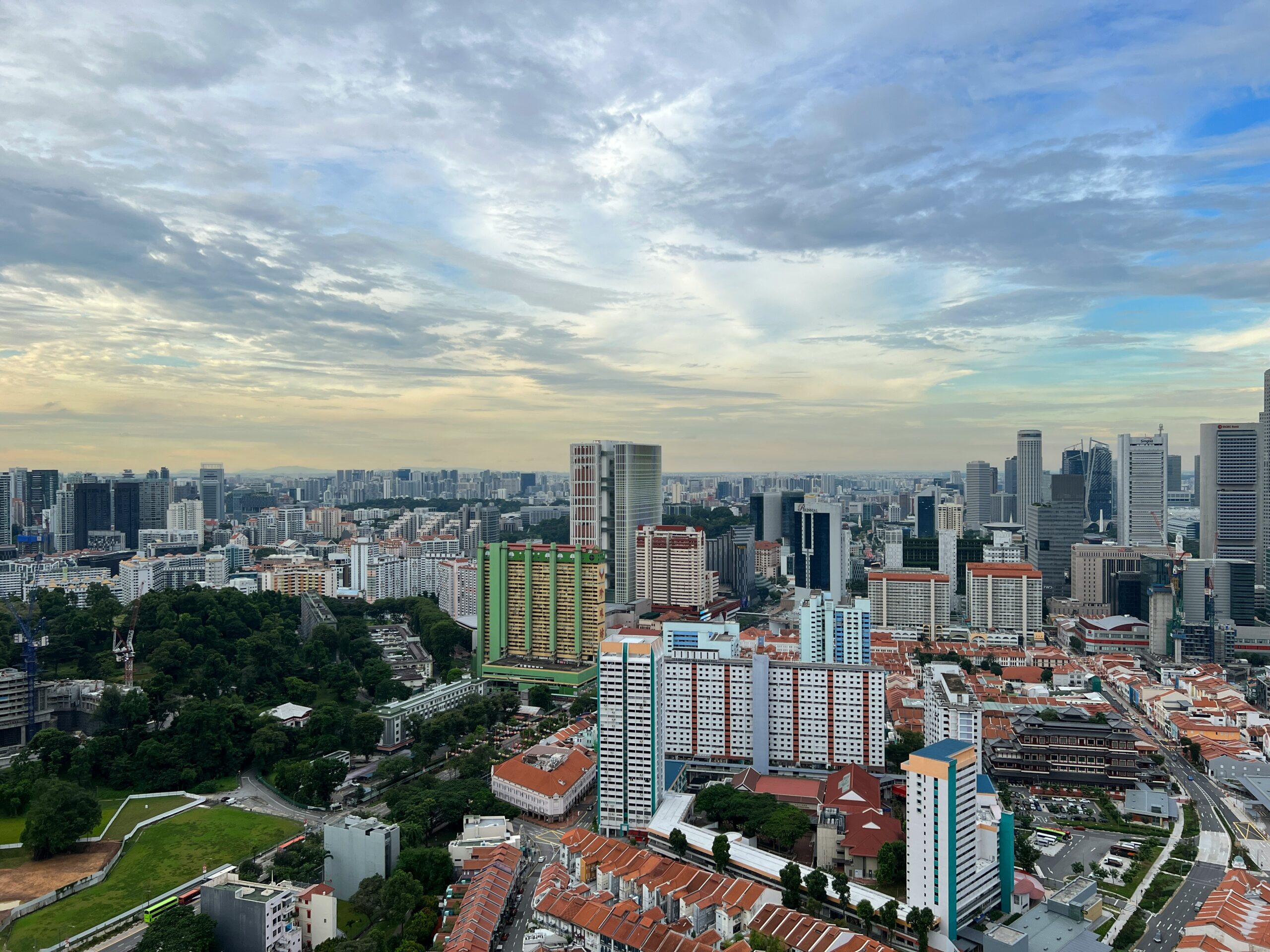
🏠 Rich Singaporeans Lead Luxury Home Purchases Worth US$3.9M and Above
Singapore’s luxury real estate market is undergoing a notable transformation. Recent trends show that affluent local citizens now dominate the high-end housing segment, reflecting both the city-state’s rising wealth and a shift in property investment behavior.
From landed estates to exclusive non-landed apartments, the luxury property landscape in Singapore is increasingly shaped by citizens’ growing financial power. The surge in domestic purchases has important implications for market dynamics, pricing trends, and urban development strategies.
📊 Overview of the Luxury Property Market
Between July and September 2025, 171 high-end homes in Singapore’s Core Central Region (CCR) were sold at S$5 million (≈ US$3.86 million) or higher. Of these:
-
130 homes (76%) were acquired by Singaporean citizens.
-
Permanent residents (PRs) accounted for 15.2%.
-
Foreign buyers made up only 7%.
-
Remaining purchases were made by corporate entities.
The total value of these transactions reached S$1.725 billion, marking a 25.7% increase compared with the previous quarter. The average unit price stood at approximately S$10.09 million, highlighting strong buyer demand at the top end of the market.
The data illustrates a fundamental shift in Singapore’s luxury housing market: local citizens have become the primary drivers of high-value property acquisitions.
💹 Key Drivers of Local Demand
Several factors explain why Singaporean citizens are increasingly dominating the luxury property segment:
1. Rising Affluence
Higher disposable incomes and growing wealth among Singaporeans have increased their capacity to invest in prime real estate. Luxury homes are now viewed not only as residences but also as long-term wealth preservation instruments.
Many local buyers are motivated by the dual benefits of asset security and prestige. Owning a luxury property in districts such as Marina Bay, Orchard Road, and Sentosa Cove has become a marker of financial success.
2. Favorable Economic Conditions
A combination of strong domestic economic factors has contributed to local purchasing power:
-
A robust Singapore dollar increases buying capacity.
-
Historically low interest rates make financing large transactions more accessible.
-
High household liquidity allows buyers to engage in multi-million-dollar investments without significant leverage.
These conditions have enabled locals to participate actively in a market that was once heavily influenced by foreign investment.
3. Government Policies and Taxation
Government measures have played a pivotal role in shaping the buyer mix. In particular:
-
The Additional Buyer’s Stamp Duty (ABSD) on foreign buyers was doubled to 60% in April 2023, making luxury property acquisitions more expensive for non-locals.
-
ABSD also affects PRs and citizens buying second or subsequent homes, subtly influencing market behavior.
As a result, foreign participation has decreased, while local buyers increasingly capture a larger share of the luxury segment.
🌟 The Ultra-Luxury Market
While citizens dominate the general luxury market, the ultra-luxury segment (homes priced above S$10 million) shows a different buyer composition.
-
Out of 15 ultra-luxury homes sold in recent months:
-
8 units were purchased by PRs.
-
5 units by citizens.
-
2 units by foreigners.
-
This demonstrates that PRs and select foreign buyers still maintain a presence at the top tier, often driven by wealth preservation strategies, global mobility, and international investment considerations.
Ultra-Luxury Property Preferences
Ultra-high-end buyers typically prioritize:
-
Prime locations near financial hubs and exclusive districts.
-
Advanced amenities, including concierge services, private gyms, and secure parking.
-
Architectural uniqueness, high-quality finishes, and historical value.
These preferences ensure that ultra-luxury properties remain competitive, even as the broader luxury market sees dominance from locals.
🧑💼 Young Professionals Enter the Market
Another noteworthy trend is the increasing participation of younger, high-income professionals in the luxury housing market.
-
Many buyers are employed in sectors such as finance, law, technology, and healthcare.
-
They tend to favor smaller luxury units within prime districts, balancing prestige with investment potential.
This generational shift suggests that luxury properties are no longer just a symbol of legacy wealth; they are now strategic investments for emerging affluent professionals.
Changing Buying Patterns
-
Younger buyers often prefer properties with modern layouts, smart-home features, and convenient access to urban amenities.
-
There is a growing emphasis on sustainable design and eco-friendly features, reflecting global trends in property development.
🏢 Developer Strategies and Market Response
Developers are responding to the changing market by:
-
Launching more luxury projects in CCR districts to meet rising local demand.
-
Enhancing property features with exclusive amenities, green spaces, and state-of-the-art security.
-
Targeting younger high-income buyers by designing smaller, high-end units that combine luxury with affordability within the prime segment.
Supply and Demand Dynamics
-
As foreign buyer participation declines, the local population increasingly drives pricing trends.
-
Scarcity in prime districts may lead to sustained price appreciation, making high-end properties even more competitive.
-
Developers are strategically positioning new projects to capitalize on the aspiration-driven local market, which values both prestige and long-term asset security.
📈 Long-Term Market Outlook
Experts project that Singapore’s luxury property market will continue to be dominated by affluent citizens:
-
PRs and select foreign nationals may remain influential at the ultra-luxury level, but the broader market will be increasingly shaped by locals.
-
Price growth is expected to remain strong in high-demand districts, particularly where supply is limited.
-
Market stability is supported by favorable economic conditions and clear government policy, making luxury real estate a reliable investment option for high-net-worth individuals.
Market Implications
-
Developers may prioritize prime districts over secondary locations due to sustained demand.
-
Younger buyers’ preferences for modern, smaller units could shift the design and marketing strategies of new projects.
-
Luxury real estate remains a strategic vehicle for wealth preservation, with citizens taking a leading role in shaping market trends.
🔑 Key Takeaways
-
Citizens now dominate purchases of high-end properties priced at S$5 million and above.
-
Government taxation and policies have effectively reduced foreign buyer influence.
-
Ultra-luxury properties remain competitive, with PRs and foreigners still active at the top tier.
-
Young, affluent professionals are emerging as a significant buyer segment.
-
Developers are responding by enhancing amenities, focusing on prime districts, and designing units that appeal to modern buyers.
-
The overall market shows strong potential for sustained growth and price appreciation.
Meta Description
Singapore’s luxury property market is increasingly dominated by citizens purchasing homes above US$3.9M. Rising wealth, government policies, and young professionals’ investments are reshaping the market.
Icons Used
-
🏠 – Real Estate / Property
-
📊 – Market Data / Statistics
-
💹 – Economic Trends / Growth
-
🌟 – Luxury / High-End Market
-
🧑💼 – Professionals / Buyers
-
🏢 – Developers / Urban Development
-
📈 – Market Forecast / Outlook
-
📝 – Summary / Insights
-
🔑 – Key Takeaways



0 Comments