
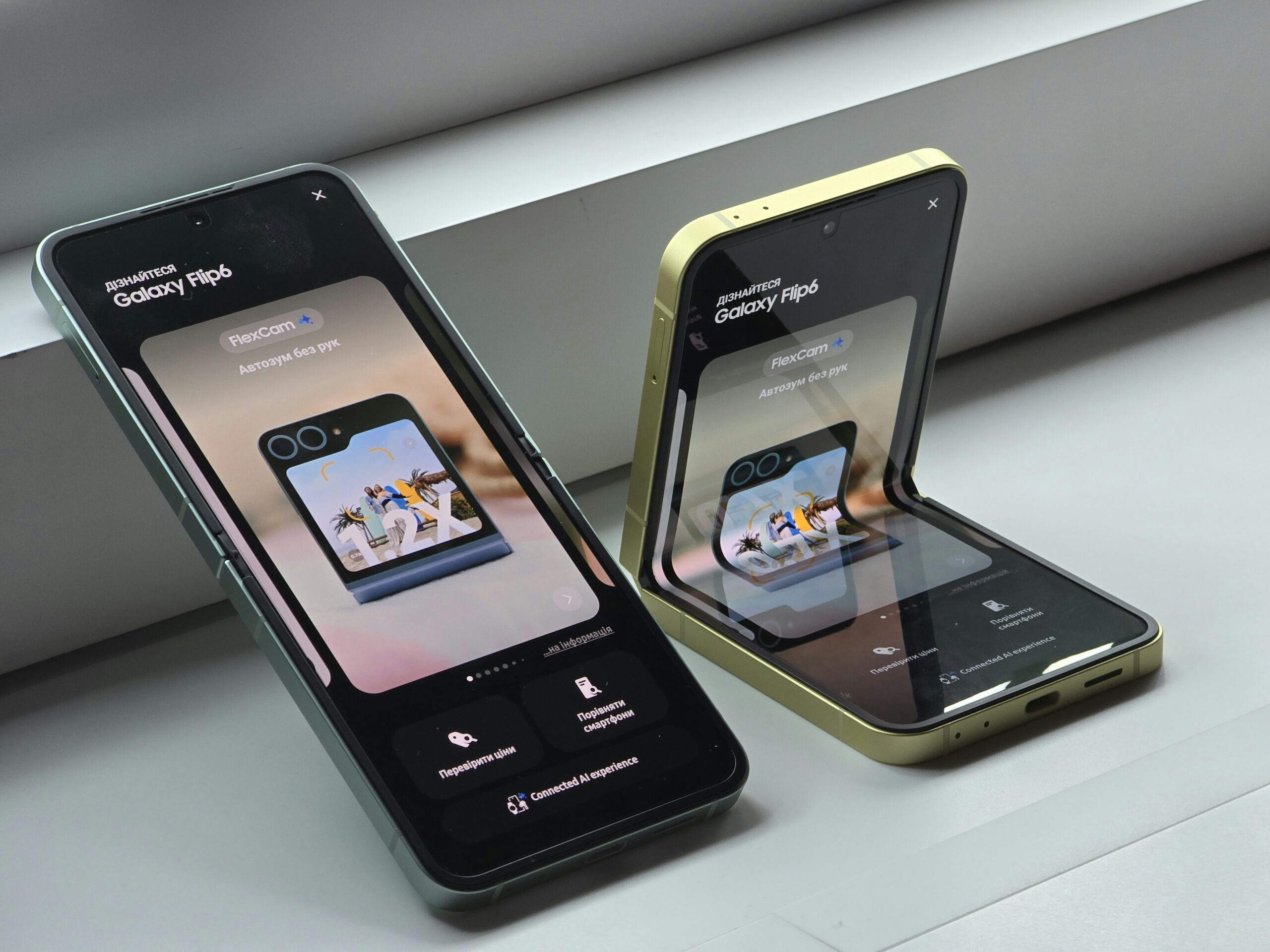
Discover Samsung’s Galaxy Z TriFold, the world’s first multi-folding smartphone redefining mobile innovation, productivity, and competition in the global tech market.
📱 Samsung Galaxy Z TriFold: The Most Ambitious Multi-Folding Smartphone Ever Released — A Full 3,500-Word SEO Report for Tech-Savvy Readers
⭐ Introduction: A New Era in Smartphone Engineering
Samsung has redefined the smartphone landscape once again. With the unveiling of the Samsung Galaxy Z TriFold, the world’s first mass-market multi-folding smartphone, the company has boldly stepped into a new chapter of mobile engineering. For over a decade, Samsung has led the foldable revolution—beginning with the original Galaxy Fold in 2019—and now, with its tri-folding device, it aims to push boundaries that competitors have not yet dared to explore.
The TriFold is more than a smartphone. It is a tablet, a mini-laptop, and a productivity hub, all tightly integrated into a compact device that folds with two hinges and expands into an impressive screen capable of multitasking, media consumption, professional workflows, and more.
This article breaks down the technology, market strategy, innovation significance, competitive landscape, and future industry impact in a detailed, SEO-rich analysis designed specifically for educated readers, tech audiences, and professionals seeking deep insight into the global mobile market.
Throughout the article, icons are included for structure, readability, and mobile-friendly flow.
🔍 1. What Makes the Galaxy Z TriFold Revolutionary?
📐 1.1 The Triple-Panel, Dual-Hinge Architecture
The defining feature of the Galaxy Z TriFold is its three connected OLED panels, working together to form what is effectively a 10-inch tablet display when fully opened. These panels are connected using two separate hinges that allow the device to fold in a “Z-shape,” giving it the compact form of a smartphone while retaining the size of a small tablet.
Key engineering achievements:
-
🔸 A seamless multi-panel OLED display with minimized crease visibility
-
🔸 Dual-axis hinge system capable of folding inward and outward
-
🔸 Reinforced aluminum frame for durability
-
🔸 Optimized layer stack to reduce tension while folding
Samsung claims that the hinges have undergone significant reinforcement, using enhanced mechanical parts to prevent micro-fractures in the flexible display—a common issue in earlier foldable generations.
🖥️ 1.2 Tablet Productivity in Your Pocket
When unfolded, the TriFold provides a 10-inch display, making it larger than the screens of many budget tablets and only slightly smaller than high-end tablets from Apple, Huawei, and Lenovo.
This expanded panel transforms the device into:
-
📝 A productivity workstation with multi-window support
-
🎨 A creative canvas for drawing and design
-
📊 A business tool with desktop-like layouts
-
🎬 A media platform for enhanced streaming and reading
The TriFold represents a shift in Samsung’s broader vision: phones should replace tablets, and eventually, perhaps even laptops.
🔋 1.3 The Largest Battery Ever in a Samsung Phone
Samsung equips the TriFold with a 5,600 mAh battery, reportedly the largest battery capacity the company has used in any smartphone. This was likely necessary due to:
-
The larger display
-
Power consumption from running multiple apps
-
The expectation that power users will multitask heavily
The tri-fold format demands battery longevity, and Samsung’s solution suggests the company is confident in the device’s efficiency.
🌍 2. Global Launch Strategy: A Premium Niche Entering a Competitive Market
📅 2.1 Launch Timeline and Geographic Availability
Samsung announced the Galaxy Z TriFold on December 2, 2025, with the rollout planned as follows:
-
🇰🇷 South Korea launch: December 12, 2025
-
🌏 Initial international markets: China, Singapore, Taiwan, UAE
-
🇺🇸 United States launch: Expected early 2026
-
🇪🇺 Europe: Gradual rollout depending on demand
Samsung’s strategy mirrors the approach it took with earlier foldables:
➡️ Launch first in markets where foldables already sell well, then expand globally based on demand and supply constraints.
💸 2.2 Price and Market Position
The phone is launching in Korea for approximately:
💰 3.59 million won (~US $2,440)
This positions the TriFold far above standard flagship smartphones and even higher than Samsung’s previous Fold series. Samsung seems to be targeting:
-
🔹 Early adopters
-
🔹 Professionals
-
🔹 Technology enthusiasts
-
🔹 High-income consumers
This is not meant as a mass-market device—at least not yet. Instead, the TriFold acts as a halo product, designed to showcase engineering innovation.
🆚 3. Competitive Landscape: The Coming Battle for Multi-Fold Dominance
The TriFold enters a rapidly heating competitive environment. Samsung may be the first with a mass-market tri-fold, but rivals have been aggressively pursuing foldable and multi-fold technologies.
🇨🇳 3.1 China’s Rapid Rise in Foldable Innovation
Chinese brands like Huawei, Honor, Xiaomi, and Oppo have significantly expanded their foldable offerings since 2021. In some markets—especially China—Samsung has already lost the foldable leadership to domestic brands.
The TriFold is Samsung’s attempt to reassert dominance. However, Chinese brands are expected to respond quickly, with several companies already prototyping multi-fold smartphones.
Challenges for Samsung:
-
💥 Fierce pricing competition
-
📈 Rapid cycle of innovation from domestic brands
-
🏭 Manufacturing cost advantages held by China
At the same time, Samsung benefits from:
-
Strong brand loyalty
-
Premium global positioning
-
Mature research and development pipeline
🍎 3.2 Apple: The Silent Giant Preparing a Foldable Disruption
Apple has not yet released a foldable iPhone, but multiple analysts believe the company is developing either:
-
A foldable iPhone
-
A foldable iPad
-
Or both
Samsung’s move might pressure Apple to accelerate its timeline. Historically, Apple adopts new form factors only when technologies become mature and mainstream, not during early experimentation.
This gives Samsung a crucial advantage:
🟩 The ability to define the expectations and standards of multi-fold smartphones before Apple enters the market.
🌐 3.3 Market Impact: Will Multi-Folds Stay Niche or Become Mainstream?
Several factors will determine whether tri-folds become widely adopted:
✔️ Price reduction
✔️ Improved durability
✔️ Widespread app optimization
✔️ Demand from professionals and business users
If these conditions are met, tri-folds could eventually:
📉 Replace basic tablets
📉 Reduce the need for portable laptops
📈 Create a new category of productivity-focused mobile devices
Samsung aims to be at the forefront of that transition.
🧩 4. Engineering and Design Challenges Behind the TriFold
🧱 4.1 Hinge Durability
Two hinges mean:
-
Twice the mechanical stress
-
Twice the folding complexity
Samsung claims improved hinge architecture with reinforced internal components. But long-term usage will determine whether the durability claims hold true.
🪟 4.2 Screen Longevity and Layer Flexibility
Foldable screens use ultra-thin glass layers combined with flexible polymer coatings. Multi-folding introduces additional stress points.
Samsung likely improved:
-
Anti-crack layers
-
Polymer elasticity
-
Dust resistance
But durability remains one of the biggest concerns for foldable technology.
💻 4.3 Software Adaptation and Multi-Window Optimization
To justify the tri-fold design, the device needs exceptional software:
-
📂 Up to three apps displayed simultaneously
-
🖱️ DeX-like desktop interface
-
🧭 Adaptive UI scaling
-
✏️ Possible stylus support
Software optimization will heavily influence user experience and long-term adoption.
🧠 5. Productivity, Education & Professional Use Cases
🧑💼 5.1 For Business Professionals
The TriFold is almost like a mobile workstation.
Benefits include:
-
Split-screen multitasking
-
Document editing with large visual space
-
Presentation tools on the go
-
Professional apps running in desktop-like mode
A business traveler could realistically replace both tablet and laptop for light to moderate workloads.
🎨 5.2 For Creators & Designers
The expanded display allows:
-
Photo editing
-
Drawing
-
Video preview
-
Note-taking
-
Storyboarding
If stylus support is confirmed, the TriFold becomes even more useful for creative workflows.
📚 5.3 For Students & Researchers
Students could use the device as:
-
A digital textbook
-
A research notepad
-
A split-screen study tool
-
A video conferencing system
-
A portable tablet for editing or note-taking
In classrooms and academic settings, multi-fold devices may become a new trend.
📈 6. Samsung’s Strategy: Leadership Through Innovation
Samsung’s TriFold is not just a phone—it is a strategic move designed to:
-
🚀 Reinforce Samsung’s position as the pioneer of foldables
-
🧪 Demonstrate engineering superiority
-
💼 Expand higher-end product offerings
-
🏛️ Influence market expectations before competitors catch up
Even if the TriFold is not intended to be a mass-market device today, it sets the stage for future versions that could reshape the mobile industry.
🔮 7. The Future: What Comes Next After the TriFold?
Possible developments:
-
Quad-fold devices
-
Rollable and expandable screens
-
Foldable laptops that replace ultrabooks
-
Hybrid devices that function as both a phone and a full PC
Samsung is pushing toward a future where mobile devices adapt to the user—not the other way around.
🏁 Conclusion: The Galaxy Z TriFold Is a Landmark Moment in Smartphone History
The Samsung Galaxy Z TriFold is one of the most important and ambitious mobile releases in years. Its design, engineering, and market strategy signal a shift toward multifunctional, shape-shifting devices meant to redefine how we work, communicate, and create.
Samsung has taken the lead in a field that will soon become highly competitive, and even if the TriFold remains a niche device for early adopters, its influence on the broader mobile landscape is undeniable.
For educated readers, professionals, and tech analysts, the TriFold is not just a gadget—it represents the future of smart, adaptive personal computing.
🔗 Sources (Place These at the End of Your WordPress Article)




0 Comments