
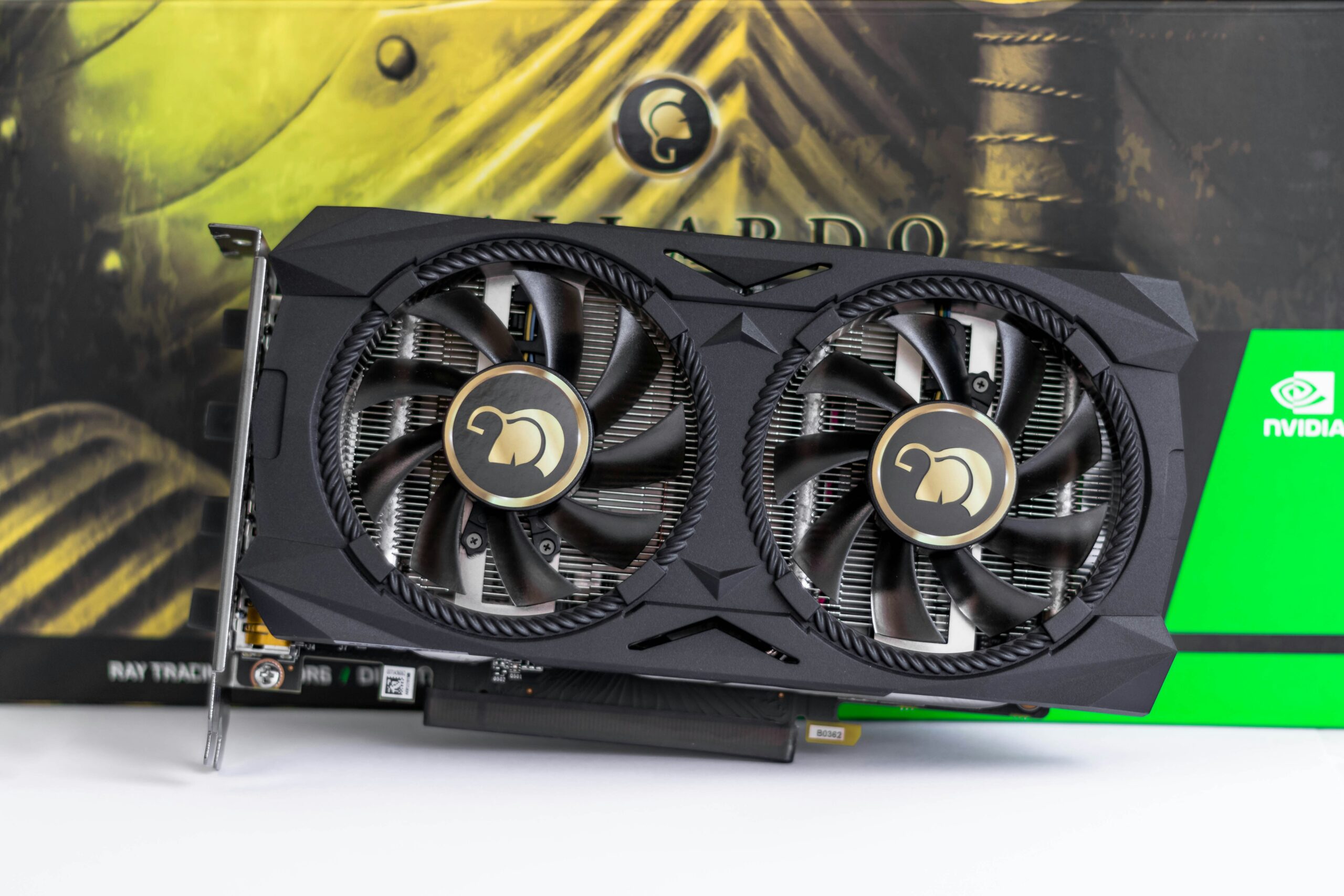
Nvidia’s $2 Billion Investment in Synopsys: Transforming AI-Driven Chip Design 🖥️🤖
In December 2025, Nvidia made headlines by investing $2 billion in Synopsys, a leading electronic design automation (EDA) and semiconductor IP company. This strategic partnership signals a new era for AI-driven semiconductor design and high-performance computing innovation.
Overview of the Nvidia-Synopsys Deal 💼
-
Investment Amount: $2 billion
-
Purpose: Strategic stake to accelerate AI integration in EDA tools
-
Impact: Enhances Nvidia’s capabilities in AI hardware and software integration
-
Market Reaction: Synopsys stock rose by approximately 7% following the announcement
This partnership is not just financial; it represents a union of two technology leaders aiming to reshape semiconductor engineering workflows with AI.
Why This Investment Matters for AI Chip Design ⚡
-
Enhanced Design Automation Tools 🛠️
Synopsys’ EDA software is essential for designing complex chips. Integrating Nvidia’s AI-driven computing can reduce design cycles and improve verification processes, allowing faster time-to-market for cutting-edge processors. -
Digital Twin and Simulation Capabilities 🖼️
Nvidia’s AI accelerators, combined with Synopsys simulation platforms, enable detailed digital twins — virtual replicas of real-world hardware systems — enhancing precision in testing and validation. -
Expanding AI Beyond GPUs 🌐
While Nvidia is famous for GPUs powering AI, this partnership extends AI capabilities into chip design software itself, creating smarter, AI-optimized semiconductor solutions.
Strategic Implications for the Semiconductor Industry 🏭
-
EDA Market Disruption: Competitors may need to innovate faster to match AI-optimized design tools.
-
Investor Confidence: Nvidia’s move demonstrates strong confidence in Synopsys’ long-term potential.
-
Cross-Industry Applications: Potential impacts extend to automotive, aerospace, robotics, and biotechnology sectors where custom chips and simulations are critical.
Nvidia’s Broader AI Strategy and Vision 🚀
Nvidia’s strategy goes beyond gaming GPUs or AI cloud computing:
-
End-to-End AI Ecosystem: Combining hardware, AI frameworks, and now chip design software.
-
AI Acceleration: By optimizing EDA tools with AI, Nvidia accelerates innovation cycles, reducing costs and improving efficiency.
-
Global Influence: Partnerships like this strengthen Nvidia’s position as a central hub for AI development across multiple industries.
Technical Advantages for Engineers and Developers 🧑💻
-
Faster Verification: AI-assisted verification reduces human error and enhances chip reliability.
-
Scalable AI Models: Integration allows engineers to simulate AI workloads natively in design environments.
-
Resource Optimization: AI-driven workflows can better utilize computational resources, reducing energy and hardware costs.
Potential Challenges and Considerations ⚠️
-
Integration Complexity: Combining AI tools with traditional EDA software may pose technical hurdles.
-
Market Competition: Other EDA and AI hardware companies may respond with competitive innovations.
-
Regulatory and Supply Chain Factors: Global chip supply chains and IP regulations could influence the partnership’s success.
Industry Expert Opinions 💬
-
Analyst Perspective: Experts see Nvidia’s move as a long-term play to dominate AI chip infrastructure beyond just hardware.
-
Investor Insight: Synopsys’ stock performance reflects optimism about potential revenue growth from AI-enabled design tools.
-
Engineering Community: Developers anticipate productivity gains and novel capabilities for AI chip simulations and verification.
Future Outlook: AI, Chips, and Beyond 🔮
The Nvidia-Synopsys partnership points to an industry trend where AI is increasingly embedded into the tools that create AI hardware itself. This meta-layer of AI utilization could transform:
-
Chip architecture innovation
-
Simulation and testing pipelines
-
High-performance computing for scientific research
The implications extend from everyday consumer electronics to large-scale data centers and next-generation autonomous systems.
Key Takeaways ✅
-
Nvidia’s $2 billion stake in Synopsys represents a strategic AI investment beyond GPUs.
-
The partnership aims to optimize chip design, verification, and simulation using AI tools.
-
Market reactions suggest strong investor confidence in the long-term synergy of hardware and EDA software integration.
-
The collaboration could set a precedent for AI-driven innovation across multiple industries.
Suggested Icons for WordPress Design
-
💼 Business & finance
-
⚡ Innovation & technology
-
🖼️ Simulation & design
-
🌐 Global/market impact
-
🚀 Future growth
-
🧑💻 Engineers & developers
-
⚠️ Challenges & risks
-
🔮 Future outlook
-
✅ Key takeaways
Sources:




0 Comments