
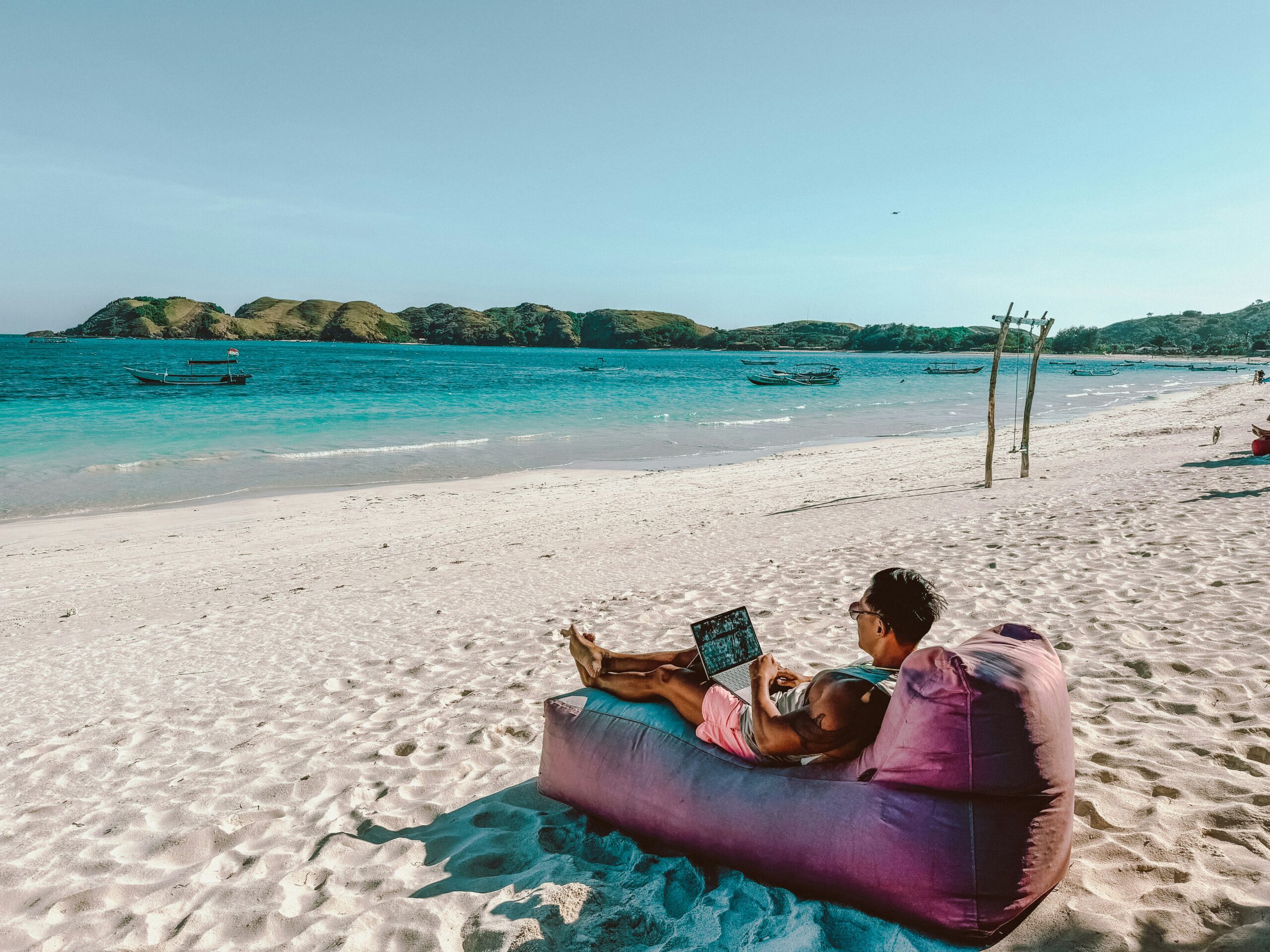
THE DIGITAL NOMAD’S BLUEPRINT: LIVING, WORKING & TRAVELING AROUND THE WORLD IN 2025
Discover the ultimate 2025 guide for digital nomads and educated travellers. Learn how to balance work, travel, and cultural immersion, with top destinations, productivity strategies, sustainable practices, and tech tools for modern remote exploration.
Introduction: The Rise of the Modern Digital Nomad
The concept of the digital nomad is no longer a fringe lifestyle—it has become one of the most dynamic forms of global travel. By 2025, remote work has transformed the way educated travellers explore the world. Combining professional responsibilities with cultural immersion, personal growth, and adventure, the modern digital nomad seeks meaningful experiences rather than simple sightseeing.
Digital nomads are not just tech-savvy; they are highly intentional travellers. They prioritize cultural awareness, sustainability, productivity, and personal enrichment. Whether you’re a freelancer, entrepreneur, or remote professional, understanding the blueprint for successful digital nomadism can transform your travel into a truly life-enhancing experience.
1. Understanding the Digital Nomad Lifestyle
1.1 Who is the Digital Nomad?
A digital nomad is someone who works remotely while traveling, leveraging technology to perform their professional duties anywhere in the world. However, educated travellers take this concept further:
-
They integrate cultural exploration into their workdays.
-
They choose destinations with intellectual and aesthetic value.
-
They prioritize sustainable and ethical travel practices.
-
They blend learning and leisure to ensure every trip is transformative.
1.2 The Motivations Behind Digital Nomadism
Modern digital nomads are driven by:
-
Freedom and Flexibility: Escaping traditional office constraints.
-
Cultural Immersion: Learning new languages, traditions, and cuisines.
-
Personal Growth: Developing problem-solving skills, adaptability, and creativity.
-
Networking: Connecting with global professionals and communities.
-
Work-Life Balance: Incorporating wellness and leisure into daily routines.
1.3 The Challenges of the Lifestyle
-
Time zone management across global clients.
-
Reliable internet in remote areas.
-
Loneliness and community when far from familiar networks.
-
Work-life integration, avoiding burnout while traveling.
-
Legal and visa considerations for long-term stays.
Understanding these challenges is the first step to creating a successful, sustainable digital nomad lifestyle.
2. Choosing the Right Destinations for Digital Nomads
Destination selection is crucial. Educated travellers often prioritize destinations offering cultural depth, high-quality infrastructure, and opportunities for intellectual and social enrichment.
2.1 Cities with Strong Remote Work Infrastructure
-
High-speed internet and coworking spaces.
-
Cultural and intellectual hubs: museums, universities, libraries, theaters.
-
Affordable living costs compared to traditional urban centers.
-
Community engagement opportunities through meetups, clubs, and cultural events.
Examples of 2025 Hotspots:
-
Lisbon, Portugal – historic neighborhoods, coworking culture, mild climate.
-
Chiang Mai, Thailand – affordable living, strong digital nomad community, cultural richness.
-
Barcelona, Spain – Mediterranean lifestyle, tech-savvy infrastructure, art and architecture.
-
Vancouver, Canada – tech hubs, natural landscapes, cosmopolitan culture.
-
Medellín, Colombia – innovation centers, cultural renaissance, warm weather.
2.2 Nature and Wellness-Oriented Destinations
Some digital nomads prefer blending work with nature for mindfulness and creativity:
-
Mountain retreats in Nepal or Switzerland.
-
Coastal towns in Bali or Greece.
-
Forest lodges in Costa Rica or Canada.
These destinations combine productivity with relaxation, supporting mental and physical wellness while traveling.
3. Planning a Productive Digital Nomad Schedule
The key to success is balancing work responsibilities with exploration. Productivity and travel must coexist.
3.1 Daily Structure for Educated Digital Nomads
-
Morning: Focused work session (2–4 hours) before peak tourist activity.
-
Late Morning: Short cultural or intellectual activity (museum, walking tour, local café).
-
Afternoon: Work session or networking meeting (client calls, project deadlines).
-
Evening: Social engagement, cultural events, language practice, or local cuisine exploration.
-
Night: Reflection, journaling, reading, and rest.
3.2 Weekly Planning for Work-Life Integration
-
Designate anchor days for long excursions.
-
Reserve flexible workdays to accommodate travel delays.
-
Integrate wellness breaks like yoga, meditation, or hikes.
-
Schedule networking events to grow your professional and social circle.
4. Technology and Tools for Modern Digital Nomads
Technology is the backbone of the digital nomad lifestyle. Educated travellers leverage advanced tools to maximize productivity while minimizing stress.
4.1 Essential Hardware
-
Lightweight laptops optimized for speed and battery life.
-
Portable power banks and universal adapters.
-
Noise-canceling headphones for focus in cafes or coworking spaces.
4.2 Productivity Apps
-
Project management: Trello, Asana, Notion.
-
Communication: Slack, Zoom, Microsoft Teams.
-
Scheduling & Time Zones: Google Calendar, World Time Buddy.
-
Language Support: Duolingo, Google Translate.
-
Finance Management: Wise, Revolut, or mobile banking apps.
4.3 Travel & Navigation Apps
-
Offline map apps for exploring cities.
-
Public transport planners.
-
Flight trackers and accommodation booking tools.
-
Local cultural guides and event discovery apps.
5. Sustainability Practices for Digital Nomads
Being a responsible global citizen is a priority for educated travellers. Sustainable practices include:
-
Eco-friendly accommodations: Stay at eco-lodges or green-certified hotels.
-
Carbon-conscious travel: Prefer trains, buses, and eco-friendly flights.
-
Support local economies: Eat at family-owned restaurants, shop local crafts.
-
Reduce waste: Bring reusable bottles, utensils, and shopping bags.
-
Cultural respect: Follow local customs and avoid exploitative tourism.
Sustainable habits enhance not only the local community but also your experience as a mindful traveller.
6. Legal and Logistical Considerations
6.1 Visas and Work Permits
-
Many countries now offer digital nomad visas valid for 6–12 months.
-
Check local immigration policies for tax implications and health insurance requirements.
6.2 Health and Safety
-
Comprehensive travel insurance covering remote work scenarios.
-
Vaccinations and health advisories specific to regions.
-
Emergency contacts and local consulates.
6.3 Banking and Financial Planning
-
Multi-currency accounts for flexibility.
-
Digital banking apps for international transfers.
-
Budget planning to maintain sustainable living while traveling.
7. Cultural Immersion for Educated Digital Nomads
Meaningful travel goes beyond sightseeing:
-
Learn the local language to communicate respectfully.
-
Participate in local festivals or art workshops.
-
Volunteer or collaborate with local communities.
-
Explore culinary traditions through cooking classes or market tours.
-
Attend lectures or guided tours to deepen understanding of history and society.
This enriches the digital nomad experience, turning travel into education and personal growth.
8. Health, Wellness, and Mental Balance
Digital nomadism can be stressful if not managed properly:
-
Prioritize exercise routines: yoga, running, cycling, or swimming.
-
Maintain a healthy diet, incorporating local fresh produce.
-
Practice mindfulness or meditation to manage stress.
-
Schedule digital detox periods to reconnect with surroundings.
-
Ensure adequate sleep and hydration, crucial for productivity.
9. Building a Digital Nomad Network
Community is essential for mental health and career growth:
-
Join local coworking spaces or professional meetups.
-
Attend global nomad conferences or workshops.
-
Connect through online forums, social media groups, or Slack communities.
-
Collaborate on projects to expand skills and create international partnerships.
Networking transforms the nomad lifestyle from isolated work into global collaboration.
10. Advanced Tips for Maximum Success
-
Rotate destinations seasonally to avoid harsh climates.
-
Create a home base for legal, postal, and banking purposes.
-
Plan backups for internet or power outages.
-
Blend short-term tourism with long-term stays for cultural depth.
-
Document experiences for reflection, content creation, or teaching opportunities.
These strategies ensure sustainability, growth, and lifelong learning while traveling.
11. Top Resources and Communities for Digital Nomads
-
Nomad List – database of remote-work-friendly cities.
-
Remote Year – curated travel and coworking programs.
-
Hacker Paradise – community-driven travel experiences.
-
Meetup – local networking and social events.
-
Global coworking spaces – Impact Hub, WeWork, Spaces.
12. Conclusion: Designing Your 2025 Digital Nomad Journey
The 2025 digital nomad lifestyle is about balance, growth, and purpose. For educated travellers, this is more than a way to work remotely—it’s a framework for global exploration, learning, cultural connection, and personal transformation. By combining thoughtful destination selection, productivity strategies, technology, sustainability, and wellness practices, digital nomads can thrive while truly experiencing the world.
Your journey as a digital nomad is not just about where you go, but how you grow along the way. Approach every city, café, mountain, and market with curiosity, respect, and intention—and your travels will leave a lasting mark on both your life and the communities you visit.
Single Source Link:
https://www.travelandleisure.com



0 Comments