U.S. Greenlights AI Chip Exports to UAE and Saudi Arabia — A Game Changer for Global AI
The U.S. approves the export of advanced Nvidia AI chips to UAE and Saudi Arabia, marking a major development in global AI infrastructure, geopolitics, and technology partnerships.
The United States has approved a landmark deal to export advanced artificial intelligence (AI) chips to the Middle East, a move poised to reshape the global AI infrastructure race. Under this agreement, state-backed companies in the United Arab Emirates (UAE) and Saudi Arabia can acquire up to 35,000 of Nvidia’s Blackwell-based GB300 AI systems each.
This deal signals a significant shift in U.S. technology policy, combining commercial strategy with geopolitics, and reflecting the growing importance of AI leadership on the world stage.
Strategic Importance of the Deal
For years, the export of advanced AI chips from the U.S. has been tightly controlled due to national security concerns. This new approval reflects a calculated decision to deepen technology partnerships with trusted Middle Eastern allies. By enabling these exports, the U.S. is promoting regional AI development while simultaneously establishing strong economic and strategic ties.
Key Players in the Middle East
Two prominent state-backed companies are at the center of the deal:
-
G42 in Abu Dhabi, a leading AI and cloud computing firm with ambitions to establish itself as a regional AI powerhouse.
-
Humain in Saudi Arabia, a government-supported AI venture expanding its infrastructure to compete on a global scale.
Both companies are positioned to utilize the advanced computing power to accelerate research, model development, and AI-driven innovation.
Technological Impact
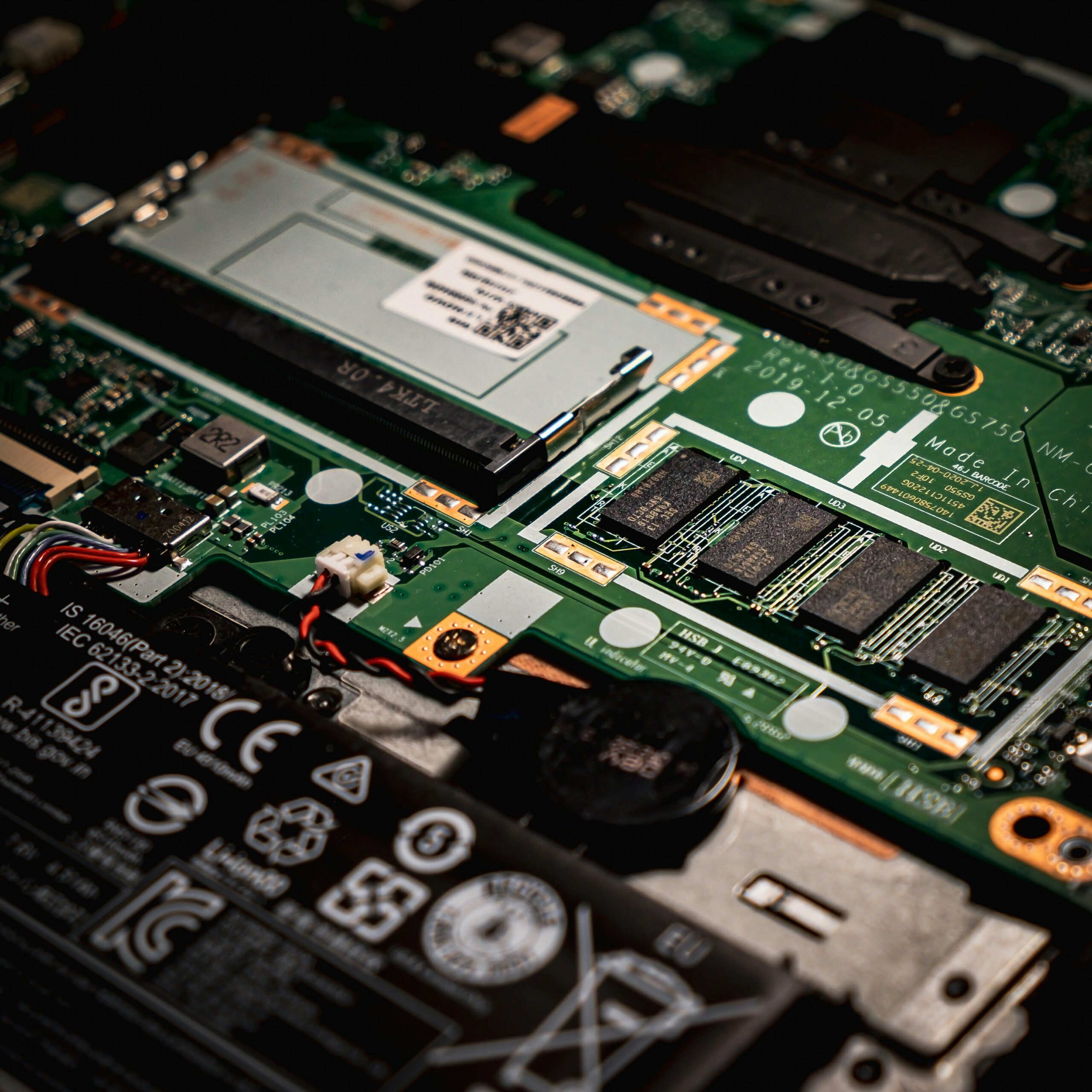
The exported systems are based on Nvidia’s GB300 servers, powered by the Blackwell B300 processor. These chips are among the most advanced AI processors available today, capable of handling massive computational workloads and training cutting-edge AI models. Access to this technology allows Gulf nations to build high-capacity AI data centers, positioning them as emerging hubs for global AI innovation.
Economic and Geopolitical Implications
The deal represents a strategic win for both sides:
-
Middle East Advantages: The UAE and Saudi Arabia gain access to powerful AI computing resources, accelerating their ambitions to become leaders in AI infrastructure and innovation.
-
U.S. Industry Benefits: Chipmakers like Nvidia and AMD open new markets, boosting sales and strengthening global influence in AI technology.
-
Geopolitical Strategy: By partnering closely with trusted allies, the U.S. reinforces regional stability while ensuring advanced AI technology does not fall into adversarial hands.
This development also signals a shift toward risk-based export policy, where access to cutting-edge technology is contingent on security and partnership assurances rather than blanket restrictions.
Risks and Criticisms
Despite its strategic advantages, the deal is not without controversy:
-
Offshoring of AI Compute: Exporting so much advanced compute could reduce available capacity for domestic AI development.
-
Security Concerns: Even with safeguards, there is always a risk of technology diversion or misuse.
-
Political Backlash: Some critics argue that strategic technology is being shared too freely, potentially giving geopolitical leverage to the Gulf region.
Balancing innovation, commercial opportunity, and security remains a delicate challenge for policymakers.
What to Watch Next
-
Infrastructure Expansion: Both G42 and Humain are expected to deploy these AI chips to create high-capacity data centers, enabling large-scale AI research and applications.
-
Policy Evolution: This deal may serve as a blueprint for future AI exports, combining strategic alliances with controlled risk management.
-
Global AI Competition: As Gulf countries scale their AI capabilities, the competition for AI dominance may extend beyond traditional tech hubs, influencing global innovation and partnerships.
Target Keywords: AI chip exports, Nvidia Blackwell Middle East, U.S. AI policy, Gulf AI infrastructure, G42 UAE, Humain Saudi Arabia
Sources: WSJ


0 Comments