
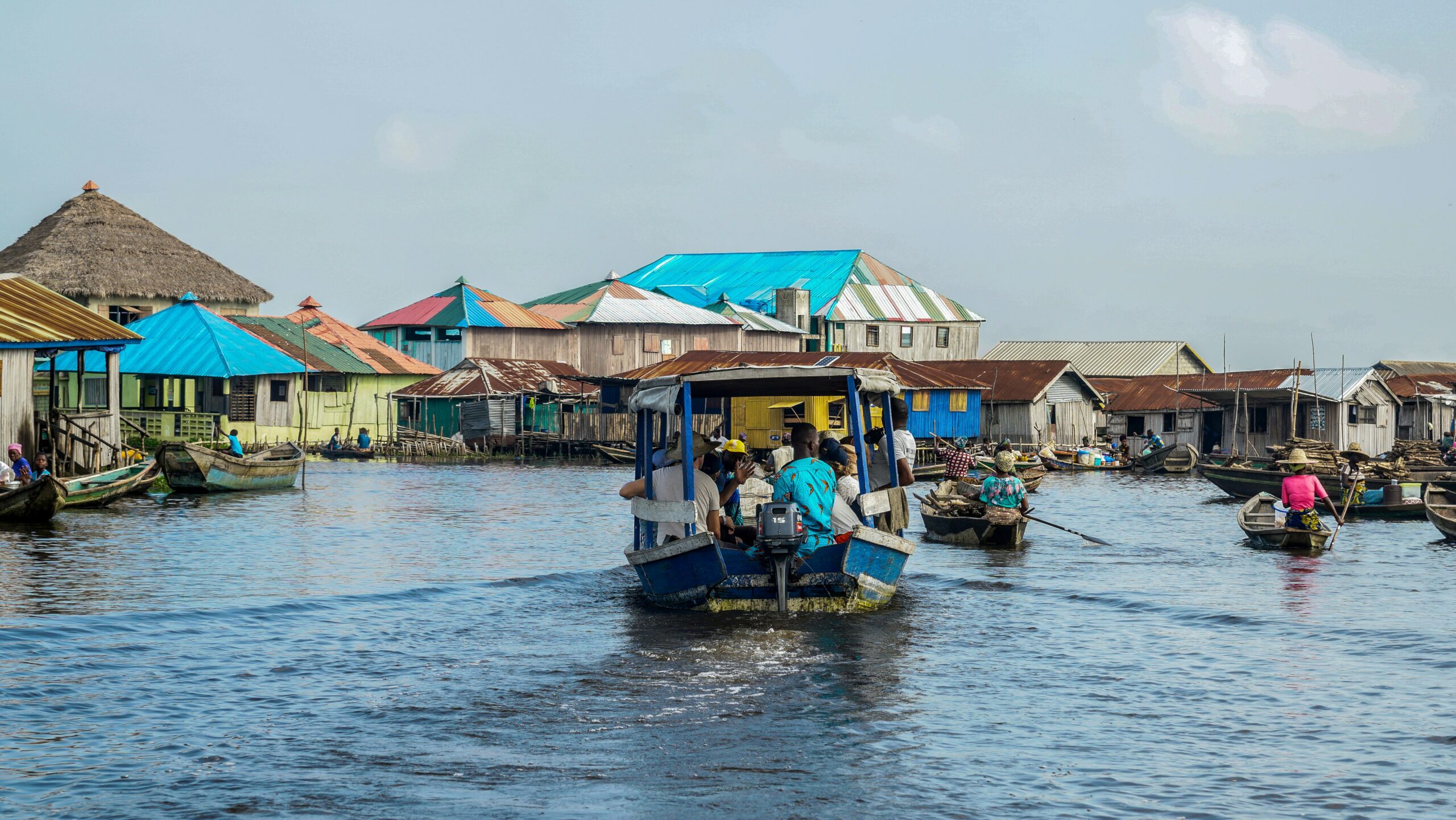
Explore Benin’s growing youth population, the challenges of underemployment, and the government initiatives aimed at creating sustainable job opportunities. Understand the social and economic implications of demographic change.
Introduction
Benin, a vibrant West African nation, is home to a predominantly young population. Nearly half of its citizens are under the age of 25, creating both opportunities and challenges. While education levels are improving among youth, many struggle to transition into stable, formal employment. Rapid demographic change combined with a challenging labor market has created a scenario where young people are increasingly underemployed or dependent on informal work.
The situation presents a complex challenge for policymakers, educators, and employers alike: how can Benin transform its “youth bulge” into a demographic dividend instead of an economic liability?
A Young Nation Under Pressure
Benin’s demographic profile is marked by its youthfulness. A large portion of the population is under 25, and this segment is growing steadily. Every year, tens of thousands of young Beninese enter the labor market, seeking opportunities that the economy is not fully prepared to offer.
This surge in youth participation exerts pressure on public services, education, and employment systems. Without adequate planning, the result is a growing population of underemployed youth, many of whom are confined to informal or precarious work.
Education vs. Employment Reality
The past decade has seen significant improvements in education among young Beninese. Many have attained secondary or post-secondary qualifications, a level of achievement higher than previous generations. However, education alone has not translated into sufficient quality employment.
A significant percentage of youth report being unemployed or underemployed, with only a small fraction holding stable, full-time jobs. This gap between education and employment opportunities has created frustration and economic vulnerability among young people, who often find themselves in informal or low-paying jobs without social protections or career progression prospects.
Understanding Underemployment and the Informal Sector
While official unemployment rates may appear low, underemployment tells a different story. Many young workers are engaged in the informal economy, where jobs are irregular, wages are low, and access to benefits or protections is minimal.
Underemployment affects both social and economic stability. Youth who cannot find meaningful work are less likely to invest in long-term goals such as housing, starting businesses, or pursuing further education. They are also more vulnerable to economic shocks and may feel discouraged from participating fully in society.
Youth Priorities and Social Expectations
Beninese youth have clear priorities for improving their quality of life. Key areas of concern include:
-
Infrastructure and roads – reliable transportation and infrastructure are seen as essential for economic activity.
-
Water and electricity access – essential services that impact daily life and economic productivity.
-
Job creation and economic management – youth seek policies that support meaningful employment opportunities.
-
Opportunities for personal and professional growth – programs and training that connect education to labor market demands.
Meeting these priorities is critical not only for economic growth but also for social stability. Disconnected youth populations are at risk of disengagement, migration, or participation in informal and precarious work.
Government Initiatives to Support Youth
Recognizing the challenges, the Beninese government has launched initiatives to promote youth economic inclusion. These programs aim to:
-
Improve technical and vocational training for youth.
-
Support entrepreneurship and access to financial services.
-
Facilitate entry into formal employment.
-
Strengthen support for marginalized or high-risk populations.
Such initiatives are crucial in bridging the gap between education and employment, helping young Beninese translate their skills into productive economic participation.
Economic and Social Implications
The underemployment and informal labor situation has broad implications:
-
Economic growth: A large population of underemployed youth limits the country’s potential for sustainable economic development.
-
Social stability: Youth frustration over lack of opportunity can lead to social unrest or emigration.
-
Human capital underutilization: Education gains may not translate into productivity if the labor market cannot absorb skilled workers.
-
Long-term development risks: Without systemic interventions, demographic pressures could outweigh the potential benefits of a youthful population.
Turning the Demographic Challenge into Opportunity
Despite the challenges, Benin has enormous potential. Its youthful population, if supported with effective policies and economic opportunities, could become a driver of innovation, entrepreneurship, and sustainable growth.
Key steps for achieving this include:
-
Expanding vocational and technical training to match labor market needs.
-
Creating formal job opportunities with decent wages and benefits.
-
Investing in infrastructure and basic services to enable productivity.
-
Encouraging entrepreneurship through accessible finance and business support programs.
-
Fostering public-private partnerships to leverage resources and innovation for youth employment.
The success of these strategies will determine whether Benin’s youth can fully realize their potential as agents of economic growth and social progress.
Conclusion
Benin stands at a crossroads. Its young population represents both hope and challenge. While education levels are rising and government programs are in place, systemic issues such as underemployment, informal work, and limited economic opportunities remain.
For Benin to harness its demographic dividend, it must align education, employment, and economic policy to provide meaningful opportunities for young people. The choices made today will shape the social and economic landscape for decades to come. Investing in youth is not only a moral imperative—it is a strategic necessity for the nation’s sustainable development.
Suggested SEO Keywords
-
Benin youth employment
-
underemployment in Benin
-
Benin labor market
-
youth inclusion Benin
-
Benin economic opportunities
-
Benin demographic challenges
Source (In French): Radio-Canada



0 Comments