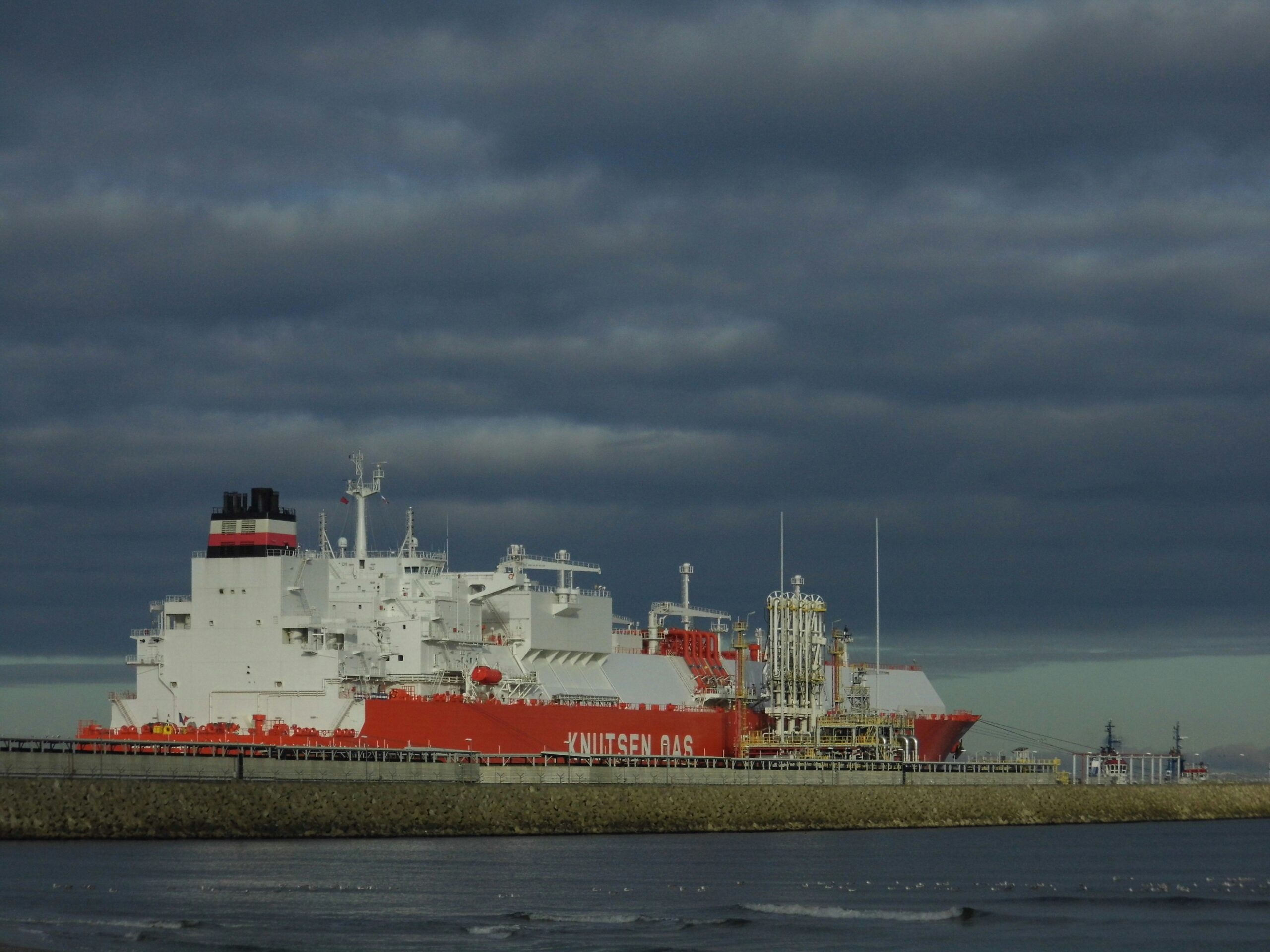
Canada’s LNG Export Ambitions: Are We Too Late to the Global Market?
Date: November 14, 2025
Canada is finally stepping into the global liquefied natural gas (LNG) export market — but experts warn it may be late to the party. While new terminals are opening and investors are bullish, concerns about high costs, market timing, and environmental impact have left analysts divided over whether Canada can truly benefit from LNG exports.
Canada’s LNG Market Entry: The Basics
Canada’s LNG industry has long been overshadowed by competitors like the United States, Qatar, and Australia. With abundant natural gas reserves, the country now seeks to capitalize on global demand. British Columbia’s first large-scale LNG terminal recently began operations, marking a significant milestone.
Key facts:
-
Proposed LNG capacity: Over 20 million tonnes per year
-
Key markets: Asia (Japan, South Korea, China), Europe
-
Investment required: Billions in infrastructure, pipelines, and liquefaction plants
Despite these advantages, high production costs and delayed entry have raised questions about competitiveness.
Why Experts Say Canada Could Be “Late”
1. High Costs and Infrastructure Challenges
Building LNG facilities in Canada is expensive. Electrified liquefaction powered by hydroelectricity, while greener, increases upfront costs. Policy analysts note that Canada’s break-even price for LNG is often higher than global market prices, potentially limiting profitability.
2. Global Oversupply Concerns
The LNG market is crowded. With the U.S., Qatar, and Australia ramping up production, Canada risks entering a saturated market. Oversupply can depress global LNG prices, affecting returns on investment.
3. Environmental and Regulatory Risks
Critics argue that LNG production and transport contribute to greenhouse gas emissions, particularly methane. Canada must balance ambitious export goals with strict environmental oversight. Delays from permitting and environmental reviews add uncertainty for investors.
4. Domestic Energy Price Impacts
Exporting more LNG could increase domestic natural gas prices. Canadian households and businesses could face higher energy costs if supply is diverted to international markets.
Arguments in Favor of Canada’s LNG Strategy
1. Economic Opportunity
Proponents highlight potential GDP growth and job creation. LNG projects could create tens of thousands of jobs, particularly in regions like British Columbia, and attract billions in foreign investment.
2. Global Emissions Reduction Potential
Canadian LNG has a relatively low carbon footprint, thanks to hydroelectric-powered liquefaction. Exporting LNG could help replace coal and other high-emission fuels abroad, contributing to global emissions reduction.
3. Strategic Energy Diversification
Canada’s LNG exports could reduce reliance on the U.S. market, diversifying trade partners and enhancing energy security. Long-term contracts with Asia and Europe could provide stable revenues.
4. Indigenous Partnerships
Several LNG projects include ownership stakes or revenue-sharing agreements with Indigenous communities, promoting economic reconciliation and inclusive growth.
Challenges Ahead
-
Financing Risks: Large capital requirements mean projects are vulnerable to market fluctuations.
-
Market Timing: Entering late may limit Canada’s ability to secure high-value contracts.
-
Methane Management: Effective monitoring is essential to ensure environmental credibility.
-
Policy Coordination: Federal and provincial governments must align on regulatory approvals and climate policy.
Global Comparisons: How Canada Measures Up
-
United States: Already a major LNG exporter with cost-competitive projects in the Gulf Coast.
-
Qatar: Dominates global LNG supply with decades of experience and low-cost production.
-
Australia: Competitive in Asia-Pacific markets, leveraging established infrastructure.
Canada’s challenge is differentiating its LNG with cleaner production methods, stable political environment, and strategic long-term contracts.
Outlook: Can Canada Succeed?
Canada’s entry into the LNG market is a calculated risk. Success depends on:
-
Cost efficiency: Controlling capital and operational expenses
-
Market strategy: Securing long-term contracts and timing production wisely
-
Environmental credibility: Reducing methane leaks and ensuring sustainability
-
Stakeholder engagement: Partnering with Indigenous communities and local governments
If executed effectively, Canadian LNG could be a profitable addition to the global energy market while supporting climate objectives. However, missteps could lead to stranded assets, environmental criticism, or limited economic gains.
Source: BNN Bloomberg




0 Comments