
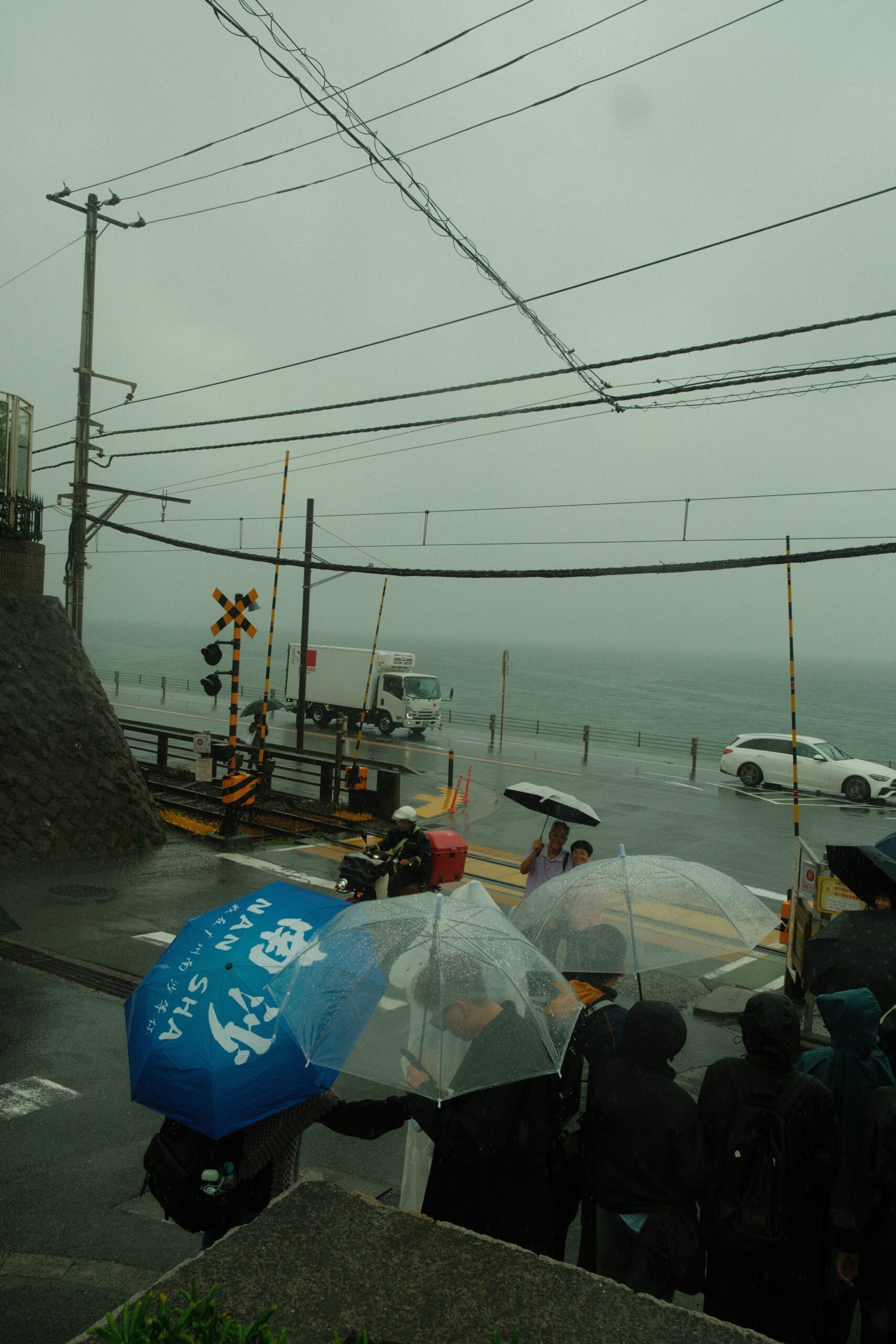
Philippines Braces for Super Typhoon Fung-Wong: Over One Million Evacuated Amid Climate-Fueled Storm
A Nation on Edge as Fung-Wong Slams Into Luzon
The Philippines is once again confronting nature’s fury as Super Typhoon Fung-Wong makes landfall, unleashing torrential rain, hurricane-force winds, and widespread power outages across the main island of Luzon.
Authorities have ordered the evacuation of more than one million people from vulnerable coastal and low-lying regions — a massive logistical undertaking reflecting both the storm’s power and the nation’s deep exposure to extreme weather.
According to the Philippine Atmospheric, Geophysical and Astronomical Services Administration (PAGASA), Fung-Wong intensified into a Category 5 super-typhoon late Saturday, with sustained winds reaching 185 km/h (115 mph) and gusts up to 225 km/h (140 mph). The cyclone first struck the coastal province of Aurora, east of Manila, before tracking northwest across Luzon, threatening metropolitan areas and agricultural heartlands alike.
Lives in the Balance: The Scale of Evacuation and Preparedness
Local governments activated emergency response protocols days before landfall, relocating residents from flood-prone and landslide-susceptible zones into temporary shelters, schools, and sports arenas.
Officials report over 1.2 million evacuees nationwide, a number expected to rise as the storm continues to move inland.
In Catanduanes and Samar, coastal communities were inundated by early storm surges, while Bicol region saw heavy flooding that submerged entire neighborhoods. Two fatalities have already been confirmed — one from drowning, another from a collapsed house in Catbalogan City — underscoring the mortal risks posed even before the typhoon’s full impact.
Transportation networks have been paralyzed: more than 300 domestic and international flights cancelled, ports shut down, and classes suspended across Luzon, including Metro Manila.
Officials from the National Disaster Risk Reduction and Management Council (NDRRMC) warn that high winds, heavy rainfall exceeding 200 mm (8 inches), and possible storm surges of up to 3 meters (10 feet) could cause catastrophic damage.
Climate Change and the New Normal of Super Typhoons
Scientists have long warned that the Philippines — located within the Pacific typhoon belt — is among the most climate-vulnerable nations in the world. Rising ocean temperatures and an increasingly moisture-laden atmosphere have created ideal conditions for storms like Fung-Wong to intensify rapidly.
“What we are seeing is not an isolated event,” said Dr. Renato Solidum Jr., Secretary of the Department of Science and Technology.
“Warmer sea surface temperatures fuel stronger storms. Each degree Celsius of warming adds immense destructive energy to these systems.”
This trend mirrors what climatologists term rapid intensification, where tropical storms grow into Category 4 or 5 systems within a single day. In recent years, similar phenomena have been observed with Haiyan (Yolanda) in 2013, Goni (Rolly) in 2020, and Rai (Odette) in 2021 — each leaving a devastating human and economic toll.
The Intergovernmental Panel on Climate Change (IPCC) projects that while the total number of tropical cyclones may not increase dramatically, their intensity and rainfall potential will rise, compounding humanitarian crises in already fragile regions.
Socioeconomic Impact: When Disasters Collide With Inequality
Beyond the meteorological drama lies a deeper socioeconomic reality: disasters in the Philippines often expose the inequality and fragility of the country’s infrastructure.
Many evacuation centers are overcrowded, and thousands of families rely on daily wages disrupted by the storm. Access to clean water, sanitation, and electricity remains limited in rural provinces hardest hit.
Economists estimate that damage from a super typhoon like Fung-Wong could exceed ₱50 billion ($850 million USD), affecting agriculture, housing, and transport. Rice paddies in central Luzon — the country’s main food source — are already under threat from flooding, potentially driving food price inflation in the months ahead.
The government’s disaster response has improved over the past decade through investments in early warning systems, but long-term resilience remains a challenge. Rebuilding often takes years, while new storms arrive in quick succession, undoing progress.
The Global Dimension: Climate Justice and Shared Responsibility
The Philippines contributes less than 0.4 % of global greenhouse-gas emissions, yet it bears a disproportionate share of climate-related disasters.
This raises moral and diplomatic questions about climate justice — the principle that wealthy, high-emitting nations should provide greater financial and technological assistance to vulnerable countries.
The Loss and Damage Fund, established under the UN Climate Framework, aims to address precisely such inequities, but its implementation remains slow and politically fraught.
As Typhoon Fung-Wong ravages Luzon, Filipino leaders and climate advocates are expected to renew calls for more robust international support in the upcoming COP30 Summit.
Resilience and Hope Amid the Storm
Despite the destruction, stories of courage and community solidarity abound.
In Albay Province, volunteer groups have organized mobile kitchens and emergency medical brigades. In Manila, youth organizations are using social media to coordinate donations and deliver food packs to displaced families.
Filipino resilience — often romanticized but undeniably real — once again shines in moments of collective hardship.
But experts caution against relying solely on resilience as a national identity.
“Resilience should not mean endurance without support,” argues Maria Lourdes Domingo, a climate policy researcher at the University of the Philippines.
“It must be paired with real investment in adaptation, sustainable housing, and urban planning that respects environmental limits.”
Looking Ahead: Lessons From Fung-Wong
As Fung-Wong gradually weakens on its projected path toward Taiwan, its legacy in the Philippines will extend far beyond immediate damage.
It will test the effectiveness of disaster governance, the adequacy of infrastructure resilience, and the urgency of climate adaptation policies.
For the global community, the storm serves as yet another warning that climate change is accelerating, reshaping lives across the planet’s most vulnerable regions.
For the Philippines, it is both a tragedy and a rallying cry — a reminder that preparation, education, and international cooperation must evolve faster than the storms themselves.
Conclusion
Super Typhoon Fung-Wong is not merely a weather story — it is a mirror of our shared vulnerability in an age of accelerating climate disruption.
For the Philippines, every storm brings not only wind and water but also the urgent question of how to transform tragedy into sustainable preparedness.
As the world watches, one message resounds clearly: climate resilience is no longer optional — it is a collective imperative.
Source: The Guardian




0 Comments