
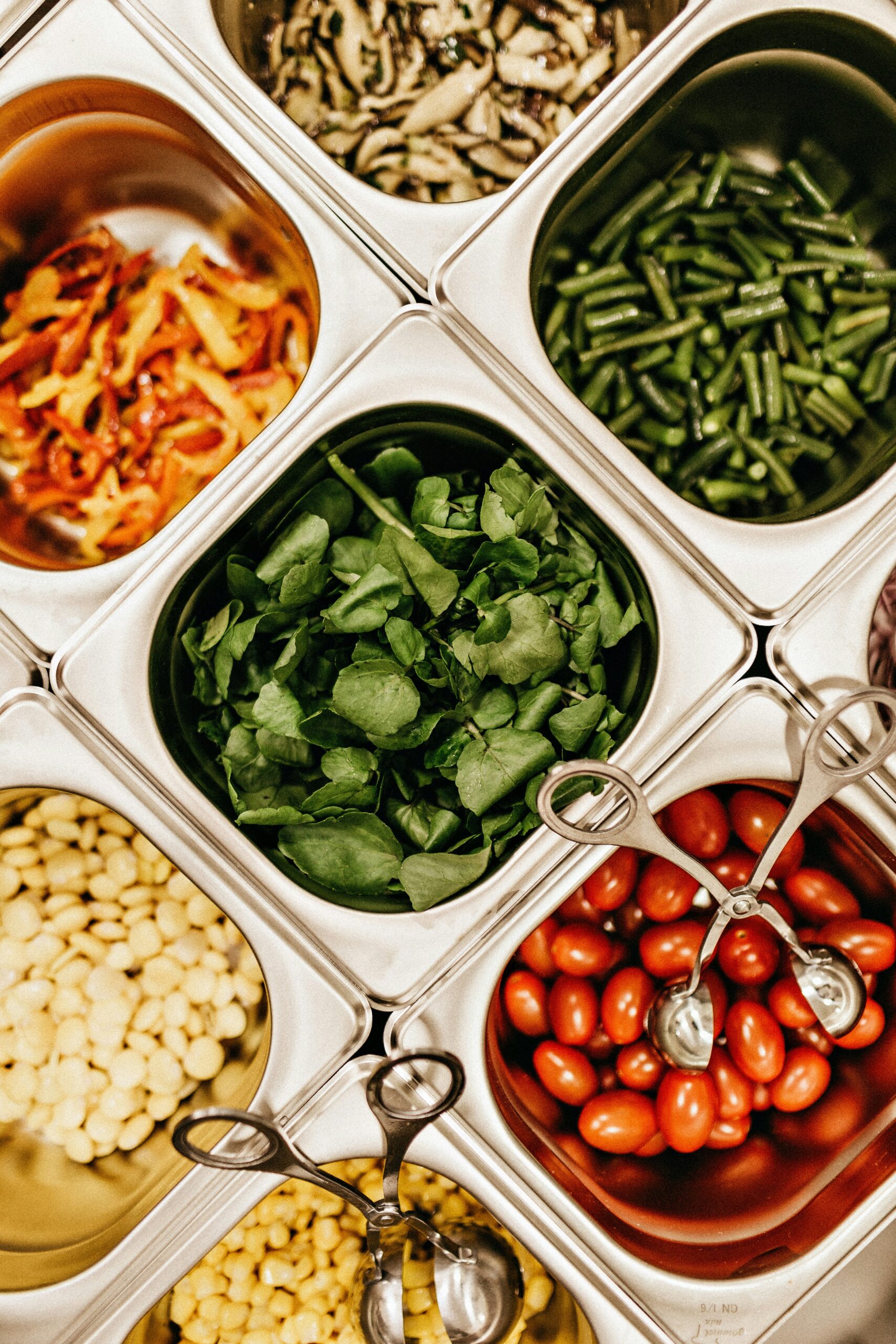
Introduction: Rethinking School Meals as a Public Good
In many countries, school meals are merely a convenience, often lacking in nutritional value and failing to address broader social inequalities. Sweden offers a starkly different vision: a universally free, nutritionally balanced, and sustainably sourced school meal program that has evolved over decades. The Guardian recently highlighted how Swedish schools are reimagining mealtimes, from student-centered design to surplus-food sourcing, showing that school meals can be a tool for health, equity, and environmental responsibility. (The Guardian)
This extended analysis explores the mechanics, outcomes, and global lessons from Sweden’s model, targeting educators, policymakers, and anyone interested in sustainable food systems.
Sweden’s School Meal System: Historical and Policy Context
Origins in the Welfare State
Sweden’s school meal system is deeply rooted in the “folkhemmet” welfare tradition, which emphasizes equality and social solidarity. Introduced in 1946, free school meals were a response to post-war malnutrition and an effort to ensure every child received at least one balanced meal daily. By 2011, Swedish law codified the right to nutritious school meals, embedding health equity in national policy. (The Guardian)
Today, over two million meals are served daily across the country, with menus adhering to strict nutritional standards overseen by the Swedish Food Agency (Livsmedelsverket).
Modern Innovations: Pilot Programs and Surplus Food
In recent years, Sweden has piloted programs to tackle both sustainability and engagement. Schools like Mariebergsskolan in Karlstad serve breakfasts using surplus supermarket produce, including innovative items like ginger-lemon “juice shots” and overnight oats made with caramelized milk.
Student co-design has been a critical component. By involving young people in planning both the menu and the dining space, schools have increased uptake of healthy options and reduced reliance on vending machines or unhealthy snacks. One student summarized the program’s philosophy succinctly:
“If there’s a free alternative at school, then I might consider eating something healthy.” (The Guardian)
Redesigning School Dining: Beyond the Menu
Spatial and Social Innovation
Sweden’s approach goes beyond food. Canteen spaces have been redesigned to enhance social interaction and comfort, offering a mix of communal tables, bar seating, and cozy corners. This fosters a sense of dignity and choice, making healthy meals more appealing and reinforcing the social benefits of shared meals.
Educators report improved student engagement and better classroom behavior, showing that mealtimes can impact learning indirectly through social and psychological well-being.
Sustainability in Action
Sweden’s school meals are not just free—they are environmentally responsible. By sourcing local and surplus ingredients, schools reduce food waste significantly. In some pilots, digital counters showed a 1.7-tonne annual reduction in waste compared to previous years. This aligns with Sweden’s broader national policies, including the Environmental Protection Agency’s initiatives and the 2025 Food Strategy, which emphasize climate-conscious food systems.
Health Outcomes and Social Equity
Nutrition as a Public Health Tool
Research indicates that children who consume balanced school meals demonstrate improved cognitive function, attendance, and long-term dietary habits. Sweden’s universal system ensures that socioeconomic status does not limit access to these benefits, effectively using school meals as a public health intervention.
Equity and Social Inclusion
For many students, the school meal may be the most substantial food they receive daily. By normalizing free, nutritious meals, Sweden mitigates inequalities and creates a level playing field, fostering inclusivity in education.
Policy and Educational Implications
For Policymakers
-
Universal Access Matters: Free meals eliminate financial barriers and maximize health benefits.
-
Student-Centered Design: Engagement in menu and space design increases participation and satisfaction.
-
Data-Driven Adjustments: Monitoring food waste and consumption helps optimize programs.
-
Integration with National Strategies: Embedding school meals in broader sustainability and health policies ensures long-term impact.
For Educators and School Administrators
-
Pilot and Scale: Start small with surplus-food initiatives or breakfast programs, then expand based on measured outcomes.
-
Foster Dignity in Dining: Make meals a social and inviting experience.
-
Nutrition Education: Pair meals with learning about healthy choices and sustainability.
Lessons for Global Application
While Sweden’s welfare context is unique, core lessons can be adapted worldwide:
-
Free, healthy meals can drive behavior change.
-
Engaging students in design increases uptake and satisfaction.
-
Reducing food waste through smart sourcing is feasible and impactful.
-
School meals can serve as a lever for equity, health, and sustainability simultaneously.
Countries seeking to reform school nutrition, reduce food waste, or embed sustainability in education can take inspiration from Sweden’s systematic, evidence-based approach.
Conclusion: Rethinking School Meals for the 21st Century
Sweden’s free school meal system demonstrates that meals are not just food—they are instruments for social good, environmental responsibility, and health promotion. By combining universal access, sustainability, and student-centered design, the model provides a blueprint for nations seeking to improve child nutrition and reduce food system inefficiencies.
School meals can be more than a daily necessity—they can shape healthier, more equitable, and environmentally conscious futures.
Sources: The Guardian




0 Comments