
Introduction: The Soybean at the Center of a Global Trade Storm
Soybeans might seem like just another crop, but they’ve become one of the most powerful symbols in the U.S.–China trade conflict. As Beijing pulls back on U.S. soybean purchases, American farmers, commodity traders, and policymakers are confronting a volatile new era in agricultural economics.
The ripple effects go far beyond the Midwest. The world’s largest soybean buyer, China, is recalibrating its import strategy — and that shift is forcing the United States to rethink its place in the global supply chain.
1. From Trade Partner to Trade Rival: The Rise and Strain of the U.S.–China Soybean Relationship
For decades, the U.S. has been one of China’s top soybean suppliers, exporting billions of dollars’ worth annually. These soybeans feed China’s massive livestock industry, fueling its pork and poultry sectors.
But trade tensions — initially ignited during the earlier tariff wars — have reignited in 2025, leading to renewed uncertainty. China has cut back orders of U.S. soybeans, favoring Brazil and Argentina instead. This strategic shift has not only altered market flows but also tested the resilience of America’s agricultural export system.
The once-reliable trade bridge between the U.S. farm belt and China’s feed industry now appears fragile, reshaped by geopolitics and economic rivalry.
2. Why China Is Turning Away From U.S. Soybeans
Several converging factors explain China’s move away from U.S. soybeans:
-
Strategic leverage: Beijing is using agricultural imports as a diplomatic tool in broader trade negotiations.
-
Diversification: Relying too heavily on American crops makes China vulnerable to sanctions and policy shifts.
-
Record Brazilian harvests: Brazil’s bumper soybean crop and favorable weather have offered cheaper, steadier supply alternatives.
-
Currency advantages: A stronger U.S. dollar has made American soybeans less competitive in global markets.
These economic levers demonstrate how trade policy, agriculture, and geopolitics are increasingly intertwined.
3. Impact on U.S. Farmers: A Growing Sense of Uncertainty
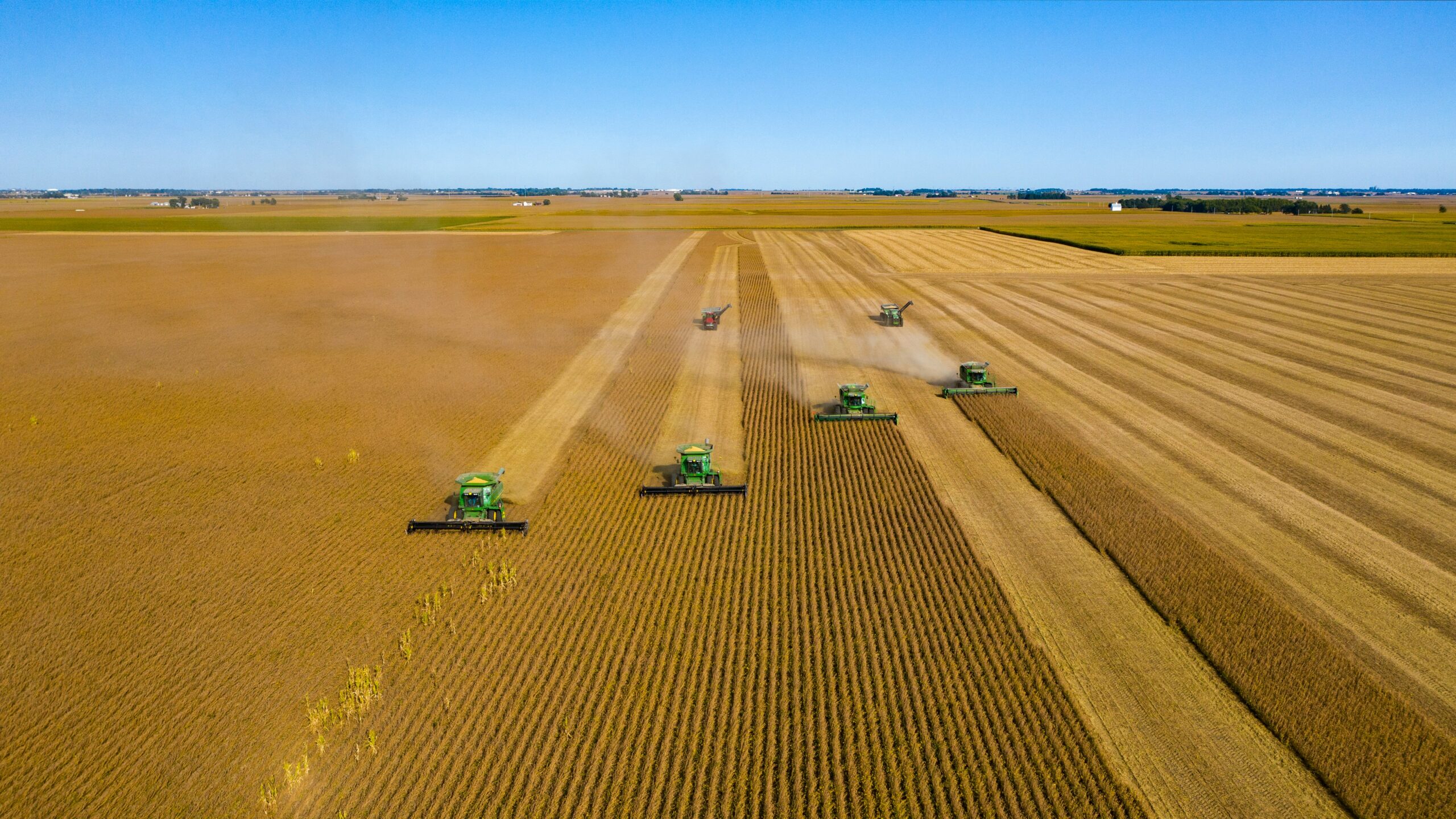
For American farmers, the consequences are immediate and painful. The 2025 harvest season has produced strong yields — but with fewer international buyers, prices are stagnating. Storage bins across the Midwest are filling up, and cash-flow pressures are mounting.
In Iowa, Illinois, and Indiana — the heart of U.S. soybean country — farmers are grappling with shrinking profit margins. Some are shifting acreage toward corn or wheat; others are holding grain in hopes of a price rebound.
Economists warn that unless new markets open up, U.S. agriculture could face another prolonged period of low prices and export dependency.
4. Global Supply Chain Shifts: Brazil, Argentina, and Beyond
The real winners of this trade disruption may be South America. Brazil, already the world’s largest soybean exporter, has rapidly expanded its export infrastructure, investing in ports, railways, and processing facilities.
Argentina, too, is benefiting from China’s diversification push. With strong harvest forecasts and competitive pricing, South American soybeans are flowing to Chinese ports at record rates.
This shift could mark a lasting change in global agricultural power dynamics — one where the U.S. is no longer the automatic first choice for China’s commodity imports.
5. Commodity Prices and Market Volatility
Soybean futures have reflected this uncertainty. Prices on the Chicago Board of Trade have fluctuated sharply as traders weigh each new headline from Beijing or Washington.
When China cancels or delays orders, prices often fall; when diplomatic talks resume, they rebound. This volatility underscores how politically sensitive agricultural commodities have become — and how vulnerable global supply chains are to diplomatic friction.
6. The Domestic Ripple Effect: Policy, Infrastructure, and Innovation
The U.S. government has already begun discussing support measures to cushion the blow to farmers. Possible options include:
-
Expanded export insurance programs
-
New trade missions to Southeast Asia and Africa
-
Investment in biofuel processing to boost domestic soybean demand
At the same time, agritech firms are exploring innovation — from precision farming tools to supply-chain analytics — to help producers navigate uncertainty and optimize profits even under volatile trade conditions.
7. Long-Term Outlook: Adapting to a New Trade Reality
While the current downturn is painful, it may also push American agriculture toward greater diversification and resilience. Analysts believe the U.S. can expand exports to India, Vietnam, and the European Union — regions where protein demand is growing.
However, rebuilding lost market share in China won’t be easy. Trade relationships built over decades have been disrupted, and re-establishing trust may take years. As the U.S. and China continue to jostle for global influence, agriculture is likely to remain a critical — and contested — part of their economic relationship.
Conclusion: Soybeans as a Symbol of Global Economic Realignment
What began as a trade dispute has evolved into a broader realignment of global agriculture. The humble soybean now sits at the crossroads of geopolitics, economics, and food security.
For the U.S., the challenge is clear: adapt or risk being left behind. For China, the strategy is equally calculated — to secure its food future while asserting its global independence.
Either way, the soybean war is reshaping not only trade routes, but the balance of agricultural power for decades to come.
Source: WSJ




0 Comments