
A Strange Case With Serious Questions
In Washington, D.C., a trial that might sound comical at first glance — involving mustard, onions, and a thrown sandwich — has sparked a much larger conversation about protest, free expression, and federal authority.
Sean Charles Dunn, a 44-year-old Air Force veteran and former Justice Department contractor, faces misdemeanor assault charges for allegedly throwing a sandwich at Gregory Lairmore, a federal law enforcement officer, during a downtown demonstration this past August.
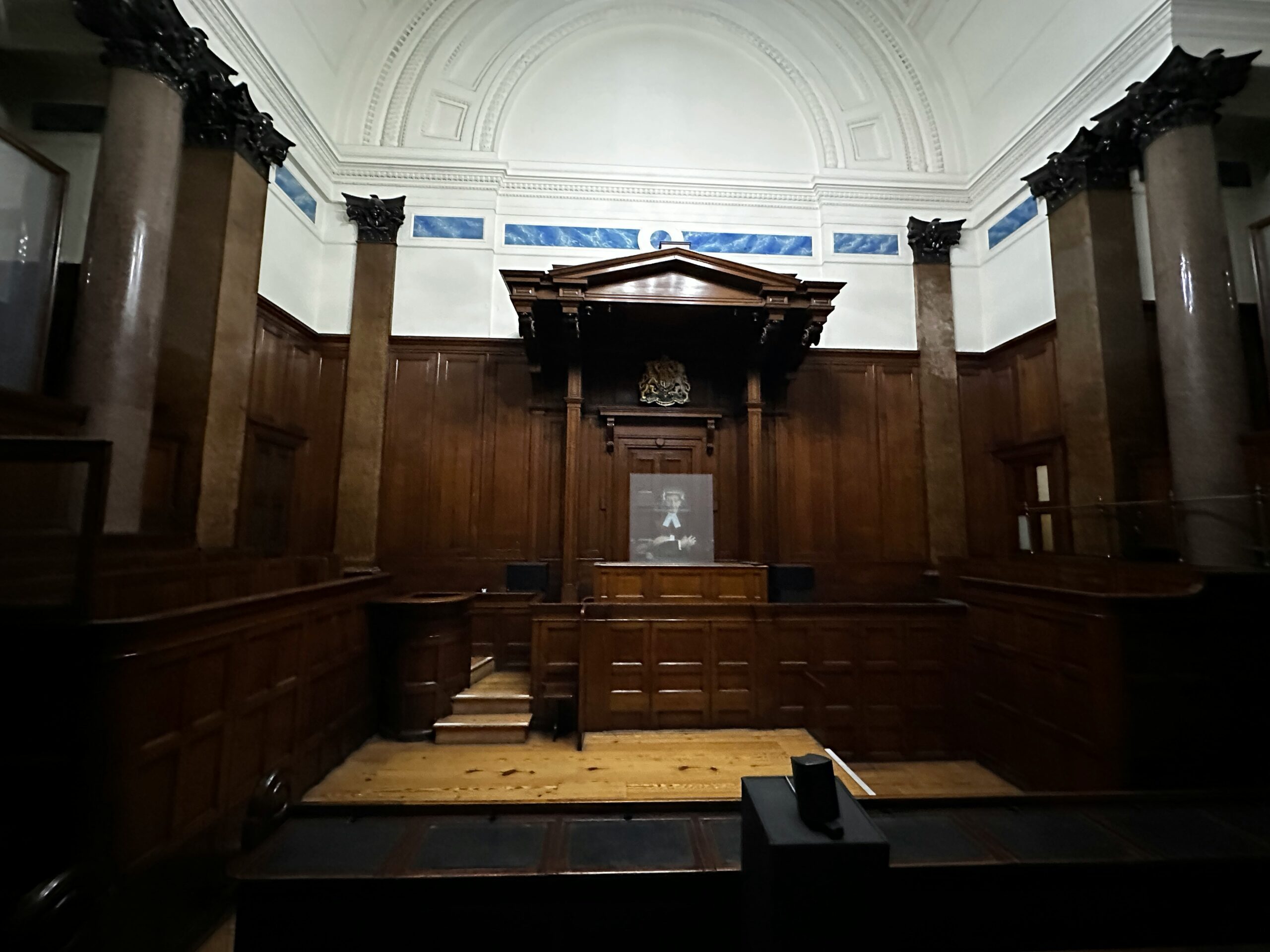
The trial began this week in federal court. And while the details may sound absurd — “sandwich debris” reportedly included sliced onions and mustard stains — the implications of the case are anything but trivial.
What Happened on That August Afternoon
The incident unfolded near a bustling nightlife area in Washington, where tensions had been simmering for months over the presence of federal officers during local protests.
According to court filings, Dunn allegedly threw a sub-style sandwich toward a CBP officer after a heated verbal exchange. The sandwich hit the officer’s vest, leaving traces of condiments and crumbs, though no physical injury occurred.
Prosecutors initially sought a felony assault charge, arguing that Dunn’s act constituted violence against a federal officer. But a grand jury declined to indict on that level, leaving prosecutors to proceed with a misdemeanor charge — still a serious offense carrying potential jail time.
“It’s a Symbol, Not a Weapon,” Says the Defense
Dunn’s defense attorney described the sandwich toss as an act of political protest, not aggression.
“This was a symbolic gesture — a statement about the absurdity of force and surveillance,” the defense argued.
The defense insists Dunn’s actions were protected under the First Amendment’s right to protest, likening them to forms of non-violent symbolic expression used throughout U.S. history.
By contrast, prosecutors have emphasized that no one — regardless of motive — has the right to assault a federal officer.
“You can’t just throw things at people because you’re angry,” said Assistant U.S. Attorney John Parron in his opening statement.
A Clash of Principles: Free Speech vs. Public Safety
At the heart of the case lies a deeper question: Where does protest end and criminal conduct begin?
The government contends that federal agents must be protected from escalating acts of physical intimidation, especially during volatile demonstrations.
Critics argue, however, that charging symbolic acts like Dunn’s as “assault” risks chilling free expression — particularly in a capital city where political protest has long been part of civic life.
Civil-liberties advocates warn that over-criminalization of protests erodes public trust and deters lawful dissent. Supporters of law enforcement counter that even minor acts can spiral into violence if not held accountable.
Why This Trial Has Captured National Attention
-
Cultural symbolism: The phrase “sandwich thrower” has become shorthand on social media for how minor protests can become political flashpoints.
-
Political overtones: The trial comes amid rising debate over federal presence in local law enforcement, especially under new public-order directives in the D.C. area.
-
Media spectacle: Videos, memes, and even parody merchandise have turned the case into an unexpected viral phenomenon.
-
Broader precedent: Legal scholars are watching closely to see if the outcome influences how non-violent protest actions are charged in the future.
The Human Side: A Veteran on Trial, an Officer Under Scrutiny
Beyond the memes and headlines lies a human story.
Sean Dunn’s defense team portrays him as a disillusioned public servant — a man who served his country, only to grow frustrated with what he viewed as “mission creep” by federal policing agencies.
Agent Gregory Lairmore, the sandwich’s recipient, testified that the incident left him “shocked” and “disrespected.” He described smelling onions and mustard while examining his vest after the impact.
The courtroom’s subdued laughter at moments of testimony underscores the case’s surreal tone — yet both men’s experiences reflect real tension between citizens and authority.
Historical Parallels: Protest as Performance
From the Boston Tea Party to draft-card burnings in the 1960s, American protest has often relied on symbolism. What sets Dunn’s case apart is that his “symbol” has landed him in federal court.
Experts say this reflects a growing zero-tolerance approach to acts perceived as threatening toward officials — even if those acts cause no harm.
“It’s the criminalization of gesture,” said Dr. Lydia Hoffman, a Georgetown law professor specializing in protest law.
“When protest becomes performance, the state’s reaction often reveals where power truly lies.”
Broader Implications for Federal Policing
Washington, D.C. has long been a unique jurisdiction — governed by local laws yet heavily influenced by federal presence.
The Dunn case exposes that duality. Critics say the city has become a testing ground for expanded federal policing powers, while supporters argue such measures are vital to national security in the capital.
If Dunn is convicted, the case could set a precedent for how symbolic acts are treated when directed at federal personnel — from food throwing to flag burning.
Digital Culture and the “Viral Justice” Effect
Social media has magnified the case far beyond D.C. TikTok and X (formerly Twitter) users have shared clips, commentary, and hashtags like #SandwichJustice and #ProtestOrCrime, framing Dunn as both folk hero and fool.
This “viral justice” phenomenon — where minor incidents spark massive online reaction — illustrates how public opinion now unfolds in real time, often influencing courtroom narratives and national discourse alike.
What Comes Next
The trial is expected to conclude within days. If convicted, Dunn could face up to six months in jail or a fine — modest penalties by federal standards, but potentially career-ending for a former government employee.
Observers are watching for three key outcomes:
-
Whether the jury sees Dunn’s act as symbolic protest or assault.
-
Whether prosecutors succeed in arguing intent despite minimal harm.
-
How the verdict might shape future federal protest-related prosecutions.
Final Thoughts: When Protest Meets Absurdity
It’s tempting to dismiss the “sandwich thrower” case as farce — mustard, onions, and a courtroom. But it reflects a deeper national tension: the struggle to balance free expression with respect for authority.
In a polarized America, even something as simple as a tossed lunch can become a legal, cultural, and moral Rorschach test.
Whatever the verdict, the D.C. sandwich trial will likely linger as a symbol of how ordinary acts can ignite extraordinary debates about freedom, accountability, and power.
Source: WSJ




0 Comments