
The Quiet Revolution: How Small-Town America Became the Digital Backbone of the 21st Century
A New Industrial Revolution in the Heartland
In the quiet expanse of the Columbia Basin, far from Silicon Valley or Seattle’s gleaming towers, a new kind of boom is reshaping small-town America. Umatilla, Oregon — once a modest agricultural and blue-collar community — has become a symbol of how the global demand for cloud computing, artificial intelligence, and digital infrastructure is redrawing the American economic map.
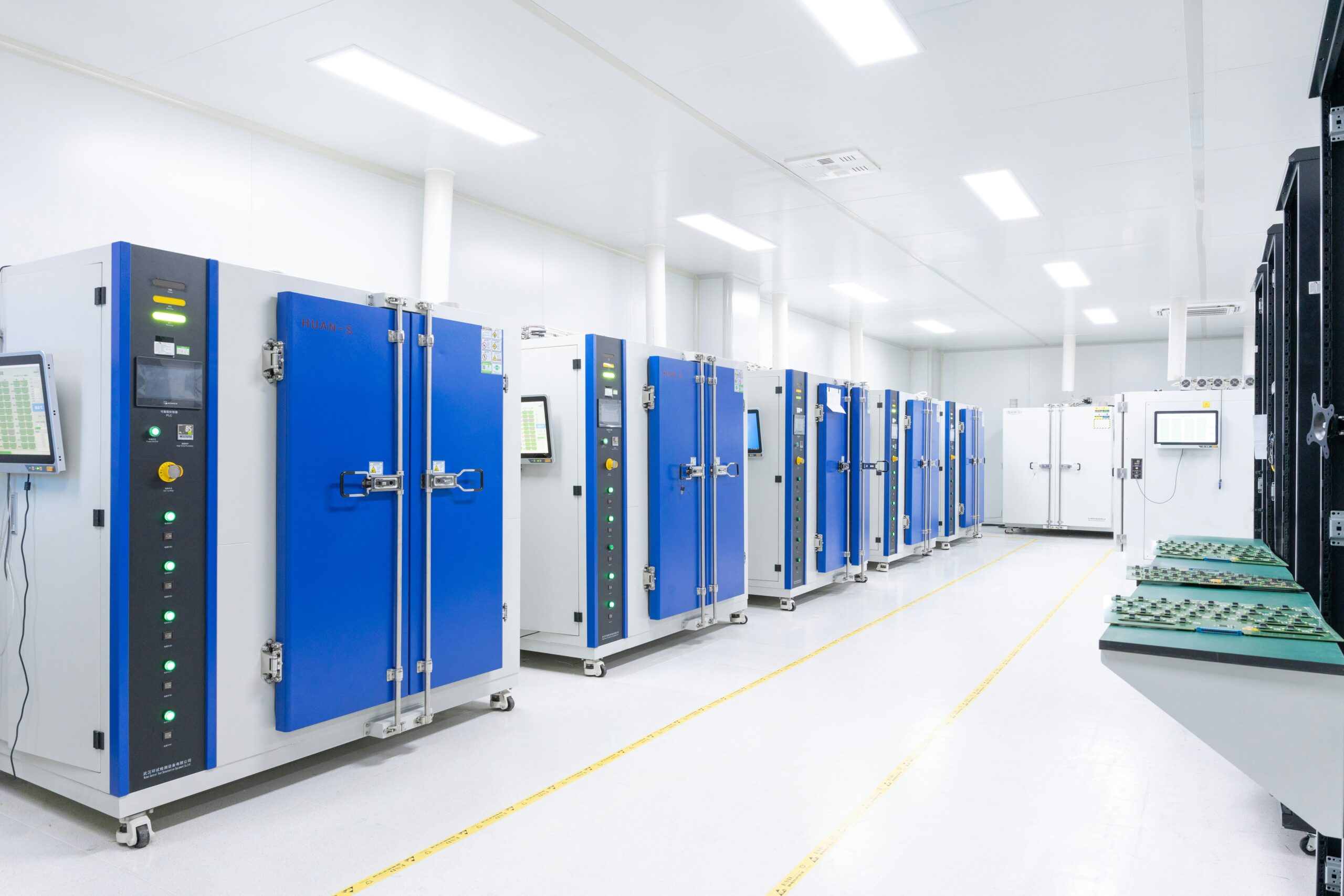
According to The Wall Street Journal, Umatilla’s skyline, once dominated by grain silos and water towers, now features the massive, unmarked concrete shells of Amazon Web Services (AWS) data centers. These facilities — sometimes covering more than 100 acres — hum quietly with the power of millions of processors, serving as the invisible foundation of the world’s digital life: from streaming movies and storing photos to running AI models and financial systems.
This evolution represents one of the most profound and least visible transformations in the U.S. economy — the rise of “Data Center America.”
From Fields to Fiber: The Anatomy of a Rural Tech Boom
The story of Umatilla begins with geography and infrastructure. The town’s location near the Columbia River offers two of the most coveted resources for modern data infrastructure: abundant hydroelectric power and access to high-speed fiber-optic networks.
Tech giants like Amazon, Google, and Meta began eyeing these regions nearly a decade ago, drawn by low electricity costs, cooler climates for server efficiency, and local tax incentives designed to attract big investment.
By 2025, these incentives had transformed Umatilla’s economy. Its annual city budget ballooned from about $7 million in 2011 to roughly $144 million, a stunning increase that reflects the scale of the digital construction boom. Local hotels and RV parks are now filled with engineers and contractors. Restaurants bustle. Heavy trucks carrying server racks and cooling equipment fill roads once used by farm vehicles.
For many residents, the change has been nothing short of revolutionary. “It’s like watching Silicon Valley land in our backyard,” one local realtor told The Wall Street Journal. “Ten years ago, we had no idea what a data center even was. Now, they define the town.”
Economic Opportunity: The New Face of Rural Prosperity
At first glance, the boom looks like an economic miracle for rural America. After decades of industrial decline and outmigration, small towns like Umatilla are finally attracting high-tech capital — the kind of investment that seemed unimaginable only a few years ago.
1. Fiscal Transformation
The most immediate benefit has been fiscal. With property tax revenues and corporate contributions pouring in, local governments have been able to upgrade schools, roads, and utilities. The once-sleepy town hall now manages infrastructure projects worth tens of millions of dollars.
2. Job Creation
While data centers themselves are highly automated, their development spawns a complex ecosystem of jobs — from electricians and fiber technicians to construction workers and local service providers. Each new facility generates years of construction employment and dozens of well-paid technical roles.
3. Real Estate Revival
The real estate market has also surged. Local agents report sharp increases in home prices, as workers and contractors flock to the region. Realtor Yesenia Leon-Tejeda, for instance, transitioned from warehouse shifts to selling more than 35 homes in a single year, reflecting a new middle-class prosperity built on tech infrastructure rather than traditional manufacturing.
The Hidden Costs of the Cloud: What the Boom Leaves Behind
Yet beneath the surface of prosperity lies a more complicated story. Umatilla’s transformation — and that of other small towns like it — raises important questions about sustainability, equity, and long-term resilience.
1. Limited Long-Term Employment
Unlike the manufacturing plants of the past, data centers are capital-intensive but labor-light. Once construction is complete, a sprawling multi-billion-dollar campus may employ only 100 to 150 full-time workers. This creates an economic paradox: enormous growth on paper, but limited local employment in the long run.
2. Infrastructure Strain
Rapid expansion has placed pressure on housing, roads, and public services. Towns accustomed to small populations now face soaring housing prices and limited availability, pushing out lower-income residents. Essential services like childcare, healthcare, and public safety are struggling to keep up.
3. Overreliance on a Single Industry
A further risk looms in economic concentration. For many rural communities, data centers have become the single largest source of revenue. If global demand for server capacity slows, or if tax policies shift, the financial foundation could erode as quickly as it appeared.
4. Environmental Concerns
Though often marketed as clean and green, data centers consume massive quantities of energy and water. Each facility can use as much electricity as a small city, and cooling systems demand substantial water use — a growing concern in regions already facing climate stress.
A National Trend: Small Towns on the Digital Frontier
Umatilla’s experience is not unique. Across the United States, rural regions from Iowa to Virginia to Utah are witnessing similar booms.
-
In Prince William County, Virginia, residents have protested against a 2,100-acre “Digital Gateway” project that would expand the region’s data-center corridor into farmland.
-
In Utah, lawmakers have debated limits on water usage for data centers amid growing drought conditions.
-
In Iowa, new facilities have transformed cornfields into concrete data campuses — again bringing revenue but few long-term jobs.
Together, these developments point to a structural realignment of American geography, in which the infrastructure of the digital age — servers, cooling systems, fiber — replaces the smokestacks and railroads of the industrial one.
Policy Lessons: Managing the Cloud Economy
For policymakers and community leaders, the challenge is not whether to embrace the data-center boom — but how to manage it wisely.
1. Demand Transparency
Many incentive deals between local governments and tech firms remain confidential. Greater transparency can ensure that public resources yield genuine public benefits — such as training programs, infrastructure co-investment, and community development funds.
2. Diversify Local Economies
To avoid the classic “boom-and-bust” cycle, towns should use data-center revenue to invest in long-term economic diversification — from renewable energy projects to education and entrepreneurship initiatives.
3. Strengthen Workforce Training
While data centers employ relatively few people, they create opportunities for specialized technical training. Local colleges can partner with companies to train residents in network maintenance, cybersecurity, and HVAC engineering — skills transferable beyond a single industry.
4. Plan for Sustainability
Environmental management must be central to long-term planning. As the climate crisis intensifies, small towns must ensure that new facilities are designed with energy efficiency, renewable sourcing, and water conservation in mind.
The Human Story: A Town in Transition
Beyond economics, the shift has reshaped local identity. For lifelong residents, the contrast between old and new Umatilla is striking. The town once known for its quiet riverfront and small-scale farming now sits at the crossroads of global data infrastructure.
Younger generations see opportunity — better schools, new homes, a digital connection to the wider world. Older residents sometimes view it with ambivalence: pride in progress, but concern about losing a familiar way of life.
In the words of one local business owner, “We wanted growth. We just didn’t expect it to come wrapped in fiber-optic cable.”
Conclusion: The Cloud Has a New Home
The rise of data centers in small-town America marks the next phase of globalization — one rooted not in cities or coasts, but in the overlooked heart of the country. Umatilla’s transformation offers both inspiration and warning: a glimpse of how the digital economy can renew communities, but also how it can disrupt them.
As billions flow into data infrastructure to power AI, streaming, and the metaverse, the towns of rural America may well become the frontlines of the cloud era — the places where the digital and physical worlds truly converge.
The story of Umatilla, Oregon, reminds us that progress is never one-dimensional. The future of America’s small towns will depend not only on servers and steel, but on how communities balance innovation with identity — and prosperity with purpose.
Source: WSJ




0 Comments