
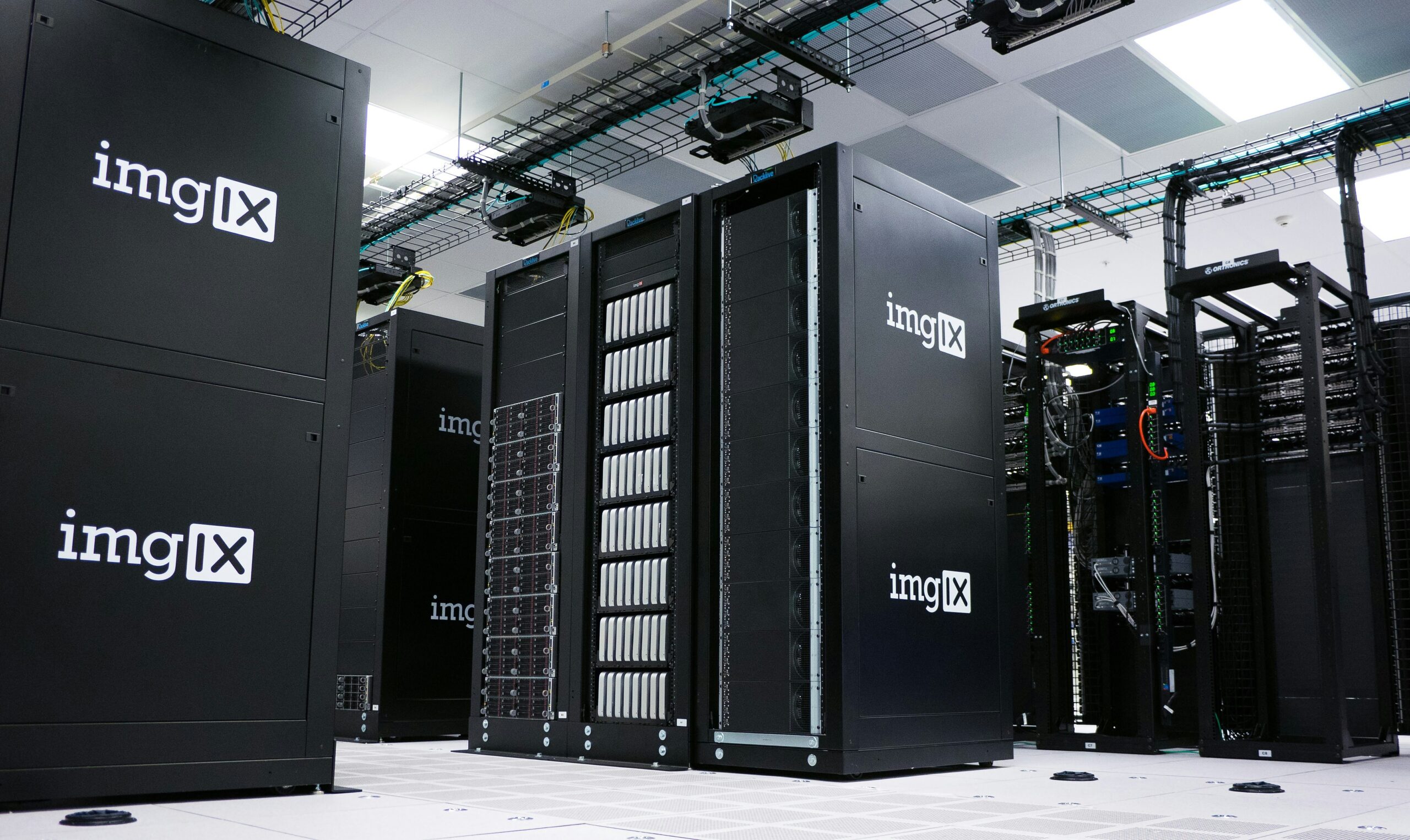
German Chancellor Friedrich Merz urges businesses to embrace AI as Germany partners with Nvidia to modernize manufacturing, strengthen competitiveness and revive economic growth.
Focus keyphrase: Germany AI adoption
Related keywords: Friedrich Merz AI strategy, Nvidia Germany partnership, German manufacturing, artificial intelligence in Europe, industrial automation, European economic growth
Germany Turns to Artificial Intelligence to Strengthen Its Industrial Economy
Germany is stepping up efforts to integrate artificial intelligence into its industrial economy as Chancellor Friedrich Merz calls on businesses to accelerate technological adoption and strengthen the country's competitiveness.
Speaking at the Invest in Germany Summit in Berlin on October 19, 2026, Merz emphasized the importance of AI in modernizing German industry and attracting investment. His message comes as Europe's largest economy faces persistent growth challenges, rising international competition and mounting pressure to adapt its traditional manufacturing strengths to a rapidly changing technological landscape.
The summit also highlighted closer cooperation between Germany and Nvidia, the American semiconductor and AI computing company. The partnership is intended to accelerate the adoption of industrial AI, particularly among manufacturers and small and medium-sized businesses.
For Germany, the challenge is not simply to use more AI software. It is to integrate the technology into the engineering, automotive, machinery and manufacturing industries that have long supported its economic strength.
The outcome could influence Germany's future productivity, its position in global supply chains and Europe's ability to compete with the United States and China in advanced technology.
Why Friedrich Merz Wants German Businesses to Adopt AI
Germany has traditionally relied on engineering expertise, advanced manufacturing and exports to sustain its economic position. However, these strengths are facing increasing pressure from international competitors and structural challenges at home.
High energy costs, bureaucratic delays and competition from Chinese manufacturers have complicated the outlook for important German industries, including automobiles and industrial machinery.
Merz sees artificial intelligence as one potential way to address these challenges. By integrating AI into production processes, companies could improve efficiency, accelerate product development and make better use of industrial data.
AI applications could also help manufacturers identify equipment failures before they interrupt production, optimize energy consumption, improve quality control and automate complex tasks.
These opportunities matter because German companies compete in markets where operational efficiency, engineering precision and innovation are essential.
However, adopting AI will require more than purchasing new software. Businesses must invest in computing infrastructure, cybersecurity, employee training and systems that allow new technologies to work with existing industrial equipment.
The government's challenge is to encourage companies to make these investments while addressing the structural obstacles that continue to affect the German economy.
Nvidia Partnership Targets Industrial AI and Manufacturing
Cooperation with Nvidia represents an important part of Germany's effort to expand industrial AI.
Nvidia CEO Jensen Huang joined Merz at the Berlin summit, highlighting the potential to combine Germany's manufacturing expertise with advanced AI computing technologies.
The partnership is expected to support wider industrial adoption, including applications involving robotics, automated production and self-driving vehicles.
Huang has argued that AI should strengthen Germany's existing industrial capabilities rather than replace them. In particular, he sees physical AI — technology that interacts with the real world through machines, robots and vehicles — as a major opportunity for manufacturers.
This approach aligns with Germany's established strengths in mechanical engineering, automotive production and factory automation.
AI-powered systems could help engineers simulate factory operations, test production changes digitally and improve the coordination of industrial robots. Manufacturers could also use AI to analyze decades of technical information and production data that would otherwise remain difficult to exploit.
For businesses, these applications could translate into shorter development cycles, more flexible production and improved resource utilization.
Nevertheless, the economic benefits will depend on implementation. Companies must determine whether the productivity gains justify the costs and whether the technology can be integrated safely into operations where reliability is critical.
Germany's Mittelstand Faces a Critical Technology Decision
Germany's Mittelstand — its large network of small and medium-sized businesses, including highly specialized industrial suppliers — will be particularly important to the country's AI ambitions.
These companies play a central role in Germany's manufacturing ecosystem. Many supply specialized components, machinery and technical services to international customers.
Although some already use advanced automation, smaller firms may have fewer financial and technical resources available for large-scale AI projects than multinational corporations.
The potential benefits are significant. AI could help smaller manufacturers improve production planning, predict equipment maintenance needs, automate administrative tasks and respond more quickly to customer demand.
It could also allow specialist suppliers to preserve valuable technical knowledge as experienced employees retire.
However, smaller businesses may face barriers involving investment costs, a shortage of AI expertise, data integration and uncertainty about which applications will generate measurable returns.
Government support, partnerships with technology providers and practical training could help address these obstacles.
Germany's industrial transformation will therefore depend not only on major technology investments but also on whether smaller companies can adopt AI at a commercially viable scale.
Industrial Data Becomes a Strategic Economic Asset
Germany's manufacturing expertise is another potential advantage in the global AI competition.
Factories, engineering firms and industrial suppliers generate substantial amounts of information through equipment operations, product design, quality testing and maintenance. Properly organized, this information can help AI systems identify patterns and improve industrial performance.
Huang has emphasized the importance of treating manufacturing data and technical expertise as strategic resources that Germany should develop and retain domestically.
This argument reflects a wider European debate about technological sovereignty: the ability to use advanced technologies without becoming excessively dependent on foreign providers.
Germany can benefit from importing advanced chips, software and computing infrastructure while developing AI applications around its own industrial knowledge.
However, protecting sensitive information will be essential. Companies must consider cybersecurity, intellectual property rights, commercial confidentiality and the legal arrangements governing access to data.
Businesses may also be reluctant to share information if they fear losing control over valuable technical knowledge.
Building trusted systems for data sharing and industrial AI will therefore be as important as providing access to computing power.
Europe's AI Ambitions Face Infrastructure and Competition Challenges
Germany's push toward industrial AI also reflects a broader European challenge.
The United States has a strong position in advanced AI chips, cloud computing and leading AI developers, while China is investing heavily in automation, electric vehicles and advanced manufacturing.
Europe has significant engineering expertise and industrial data, but it must expand its computing infrastructure and make it easier for businesses to turn research into commercial applications.
Dependence on foreign technology providers creates additional concerns about data security, supply chains and the ability to control critical digital infrastructure.
Germany's strategy suggests that Europe does not necessarily need to develop every component of the AI ecosystem independently. Instead, it can combine international technology partnerships with domestic expertise, research and industrial capabilities.
The critical question is whether such cooperation can deliver lasting economic value while preserving European control over sensitive information and strategic assets.
The region's ability to attract investment, develop skilled workers and reduce unnecessary regulatory delays will also influence its competitiveness.
Can AI Help Revive Germany's Economy?
AI could become an important source of productivity growth for Germany, but it is not a complete solution to the country's economic difficulties.
Automation and intelligent software may help companies reduce costs, improve product quality and accelerate innovation. Over time, these improvements could support exports and strengthen the international position of German manufacturers.
Yet productivity gains will vary across industries and businesses. Some projects may deliver immediate benefits, while others could require substantial spending before producing measurable returns.
AI adoption also raises questions about employment and workforce development. Certain tasks may become automated, while demand grows for workers with expertise in engineering, data analysis, robotics and AI system management.
Businesses and policymakers will need to invest in training so employees can adapt to changing production methods.
Meanwhile, persistent energy costs, infrastructure constraints and administrative burdens could limit the benefits of technological investment if they remain unresolved.
AI is therefore best understood as one element of a broader economic modernization strategy rather than a substitute for structural reform.
What Germany's AI Strategy Means for Businesses and Investors
Germany's renewed focus on industrial AI creates opportunities across several sectors.
Manufacturing and robotics: Companies developing industrial automation, machine vision and AI-enabled production systems could benefit as factories modernize.
Automotive technology: AI applications in vehicle development, manufacturing and autonomous driving may become increasingly important as German automakers face international competition.
Semiconductors and computing: Demand for advanced chips, data-center capacity and AI infrastructure could increase as more industrial businesses deploy computing-intensive applications.
Industrial software and cybersecurity: Businesses will need tools that connect AI systems to existing equipment while protecting sensitive operational data.
Workforce development: Technical education and employee retraining will become increasingly important as AI changes industrial workflows.
Investors should distinguish between the long-term potential of industrial AI and the near-term financial performance of individual companies. Adoption costs, competitive pressures, implementation risks and customer demand will all influence commercial outcomes.
The wider economic impact will depend on whether companies can turn AI investments into sustainable productivity improvements rather than simply increasing technology spending.
Conclusion: Germany's Industrial Future Depends on AI Adoption
Friedrich Merz's appeal for German businesses to embrace artificial intelligence reflects a broader effort to renew the country's economic model and preserve its position as a global manufacturing power.
Cooperation with Nvidia could help German companies combine advanced computing capabilities with established strengths in engineering, robotics and industrial production. The opportunity extends from major manufacturers to the Mittelstand businesses that form the backbone of the country's industrial supply chains.
But technology alone will not guarantee success. Germany must also address infrastructure needs, energy costs, skills shortages, data security and regulatory obstacles.
If businesses can overcome these barriers, AI could help Germany improve productivity and compete more effectively in global markets. If adoption remains slow or the benefits fail to reach smaller firms, the country risks losing ground to competitors that modernize more quickly.
The coming years will test whether Germany can transform its industrial expertise into a lasting advantage in the age of artificial intelligence.
Frequently Asked Questions (FAQ)
Why is Germany encouraging businesses to adopt AI?
Germany wants to improve industrial productivity, modernize manufacturing, attract investment and strengthen its competitiveness against the United States and China.
What is the role of Nvidia in Germany's AI strategy?
Nvidia is working with Germany to support the integration of AI into industrial applications, including manufacturing, robotics and other advanced technologies.
How could AI benefit German manufacturers?
AI could improve predictive maintenance, production planning, quality control, energy efficiency and product development while helping companies make better use of industrial data.
What is Germany's Mittelstand?
The Mittelstand refers to Germany's network of small and medium-sized businesses, many of which specialize in engineering, industrial components and manufacturing technologies.
What challenges could slow AI adoption in Germany?
Key challenges include investment costs, high energy prices, limited AI expertise, computing infrastructure, cybersecurity concerns and bureaucratic delays.
Can AI solve Germany's economic problems?
AI could improve productivity and competitiveness, but it cannot independently resolve structural issues such as energy costs, infrastructure constraints and regulatory complexity.
Sources and further reading
-
Reuters — Germany's Merz urges AI investment ahead of Nvidia deal
-
Associated Press — Nvidia CEO urges German manufacturers to adopt AI
Editorial note: This article is an independent news analysis based on the reporting and background sources listed above. It is not affiliated with CNBC, Reuters, the Associated Press or Nvidia.




0 Comments