
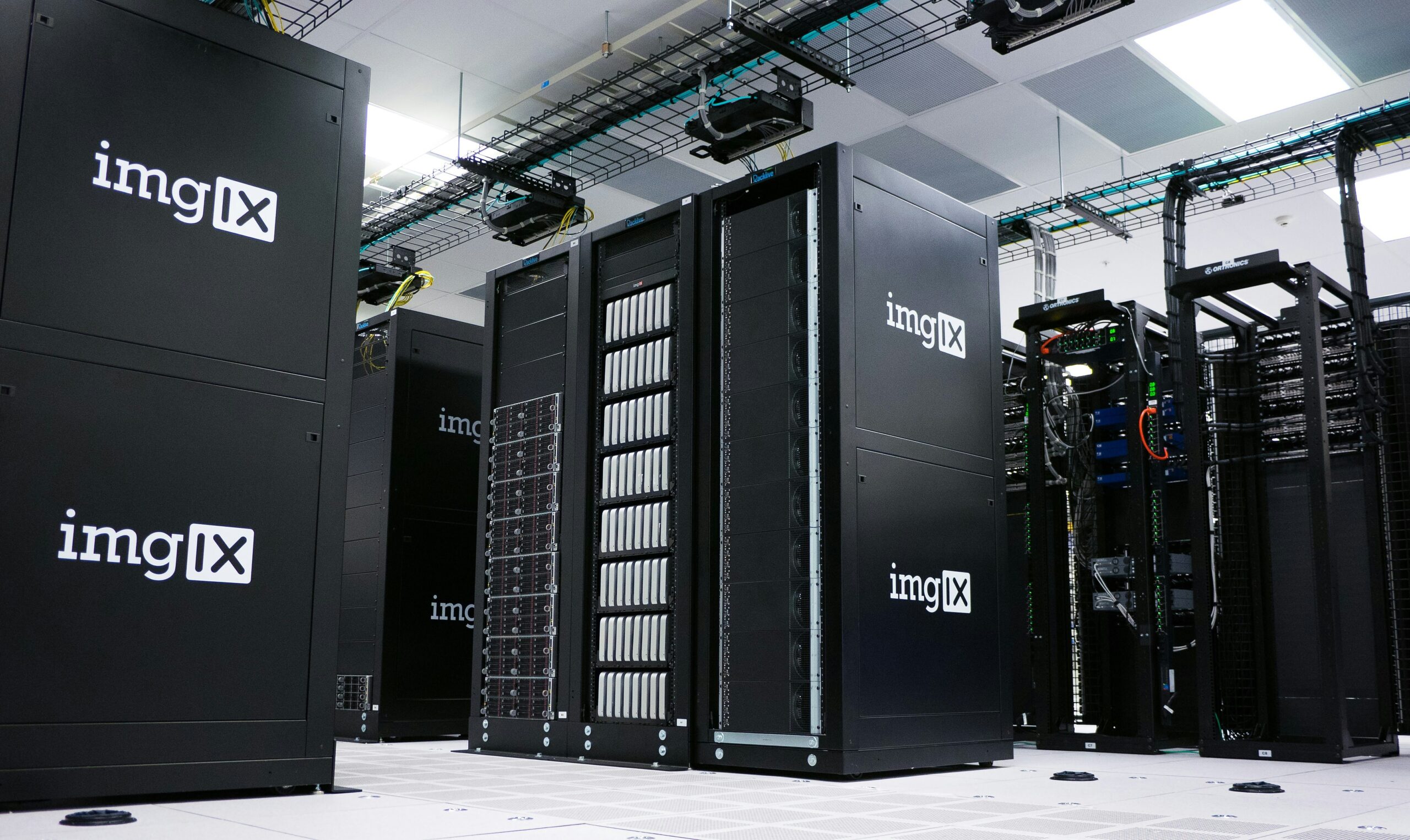
Discover how companies access Nvidia GPUs through Amazon, Microsoft, Google, neocloud providers and private data centers as AI computing demand surges.
Focus keyphrase: How companies access Nvidia GPUs
Secondary keywords: Nvidia AI chips, GPU cloud computing, AI infrastructure, neocloud providers, artificial intelligence investment, data center computing
Introduction: The Growing Competition for Nvidia GPUs
Artificial intelligence is transforming the global technology industry, and Nvidia's graphics processing units (GPUs) have become essential infrastructure for companies developing and operating advanced AI systems.
From generative AI assistants and enterprise software to AI-powered coding tools and large language models, businesses increasingly need access to powerful processors capable of handling enormous computational workloads.
However, obtaining Nvidia GPUs is not as simple as purchasing conventional computer hardware. Prices, availability, electricity requirements, data center capacity and technical expertise can make deploying AI infrastructure a significant financial and operational challenge.
As a result, companies have several options: rent computing power from major cloud providers, work with specialized AI infrastructure companies, negotiate large capacity agreements or purchase GPUs for their own data centers.
According to reporting published on October 10, 2026, the market for accessing Nvidia computing power is expanding rapidly, creating new opportunities for businesses while introducing additional complexity into the AI infrastructure industry.
1. Why Nvidia GPUs Are So Important to Artificial Intelligence
Nvidia has established a central position in the AI computing market through its GPU hardware, networking technologies and software ecosystem.
Unlike conventional processors designed for a broad range of computing tasks, GPUs can perform many calculations simultaneously. This capability makes them particularly useful for training large AI models and running inference workloads, in which trained models generate responses or predictions.
Companies building AI products need access to these resources to develop new services, improve existing applications and serve customers at scale.
Demand extends across several industries, including:
- Technology: Developing AI assistants, coding platforms and enterprise software.
- Finance: Supporting risk analysis, research and selected automated workflows.
- Healthcare: Enabling research, medical imaging analysis and computational workloads.
- Manufacturing: Improving industrial automation, simulation and predictive maintenance.
- Retail and logistics: Supporting demand forecasting, customer service and supply-chain optimization.
The growing importance of AI has consequently made computing capacity a strategic business resource.
Nvidia's influence also extends beyond the chips themselves. Companies must consider networking, storage, software compatibility, electricity and cooling when building systems capable of operating GPUs efficiently.
2. Major Cloud Providers Offer a Convenient Route to AI Computing
For many companies, renting GPUs from established cloud providers is the simplest way to access advanced computing infrastructure without building an entire data center.
Major providers include Amazon Web Services, Microsoft Azure and Google Cloud.
These companies operate extensive data center networks and offer computing resources alongside storage, cybersecurity, networking, database services and other enterprise technologies.
Amazon Web Services
Amazon Web Services allows businesses to access GPU-powered infrastructure through its cloud platform. Companies can use this capacity for AI development, model training, inference and other demanding computing applications.
Cloud access is particularly attractive to organizations that need to scale computing resources as their workloads change.
Rather than purchasing thousands of processors before knowing exactly how much capacity they will need, businesses can rent resources according to their requirements and available service arrangements.
Microsoft Azure
Microsoft Azure provides another major route to Nvidia GPU infrastructure.
Its established enterprise relationships, cloud services and security capabilities can be important advantages for companies that need to integrate AI into existing corporate systems.
Businesses may also prefer a cloud provider they already use for software development, data management and workplace applications.
Google Cloud
Google Cloud is another option for organizations seeking AI infrastructure.
Companies can evaluate its GPU offerings alongside its broader data analytics, machine learning and cloud development services.
The advantages and limitations of hyperscalers
Large cloud platforms offer several benefits:
- Established enterprise infrastructure and support.
- Integration with existing cloud applications.
- Flexible access to computing resources.
- Less need to manage physical servers.
- Infrastructure that can support changing workloads.
However, access is not guaranteed simply because a company has a cloud account. High demand, regional capacity constraints, pricing and the availability of specific GPU configurations can affect deployment plans.
For organizations with substantial AI requirements, finding enough computing capacity at the right price can remain a major challenge.
3. Neocloud Providers Expand the Market for GPU Rentals
One of the most significant developments in the AI infrastructure market is the growth of specialized GPU cloud companies, often called neocloud providers.
These businesses concentrate on providing high-performance computing resources to AI developers and other customers with demanding workloads.
Examples include CoreWeave and other specialized infrastructure providers.
Unlike traditional cloud platforms that offer broad portfolios of business services, neocloud companies often focus on GPU availability, AI-oriented infrastructure and large computing deployments.
Industry research firm SemiAnalysis counted 323 Nvidia GPU providers as of September 2026, up from 209 less than 11 months earlier, according to reporting published by CNBC.
The increase illustrates how quickly the market for accessing AI computing resources is expanding.
Why companies consider neocloud providers
Specialized providers can offer an alternative when a business needs particular GPU configurations or substantial computing capacity.
Their services may appeal to AI startups, model developers and established companies expanding their AI operations.
Potential advantages include specialized infrastructure, large GPU deployments and commercial arrangements tailored to demanding computing workloads.
Nevertheless, customers must assess the financial stability of providers, service reliability, contractual commitments and the availability of suitable infrastructure.
A smaller provider's ability to secure financing, electricity, data center capacity and new generations of hardware can influence its long-term competitiveness.
For customers running critical business applications, these considerations are just as important as advertised computing performance.
4. Large Technology Companies Are Making Direct Computing Deals
Another route involves negotiating substantial agreements with businesses that already control significant quantities of GPU infrastructure.
These arrangements can help companies secure capacity without purchasing and operating all the hardware themselves.
Large technology businesses may also monetize computing resources that would otherwise remain unused or underutilized.
SpaceX, for example, has pursued agreements involving the provision of computing capacity to other businesses. Such arrangements illustrate how GPU infrastructure is becoming a commercial resource that can be allocated across different organizations.
The economic logic is straightforward: building AI infrastructure requires considerable investment, so companies that secure hardware, power and data center capacity may seek additional revenue by renting resources to external customers.
For customers, large-scale agreements can provide access to computing resources that might otherwise be difficult to obtain.
However, these deals are not necessarily appropriate for smaller businesses. Minimum commitments, contract duration, technical requirements and total costs can make them more suitable for organizations with substantial computing budgets.
Companies should also consider the consequences of relying heavily on a single supplier.
5. Buying GPUs and Operating Private Data Centers
Some organizations prefer to purchase GPU-equipped servers and operate them in their own data centers or through dedicated colocation facilities.
This approach gives businesses greater control over their infrastructure, although it also creates additional responsibilities.
Companies must secure suitable hardware, data center space, reliable electricity, cooling, networking, physical security and technical personnel.
They must also maintain systems, manage utilization and plan for hardware upgrades.
Why businesses invest in their own infrastructure
Private GPU infrastructure can make sense when an organization has predictable, sustained computing requirements.
Companies may also prioritize control over sensitive information, specialized system configurations or integration with existing infrastructure.
For example, an enterprise that regularly operates AI models may find it worthwhile to evaluate the long-term cost of owning hardware rather than renting every computing hour.
However, purchasing GPUs requires significant upfront capital. Hardware can depreciate, technology can advance quickly, and underused equipment can become an expensive liability.
The calculation is therefore more complicated than comparing a server's purchase price with a cloud provider's hourly rate.
Businesses need to consider utilization, financing, maintenance, electricity, cooling, staffing, depreciation and the opportunity cost of committing capital to physical infrastructure.
6. The Cost of AI Computing Is Becoming a Strategic Issue
Access to Nvidia GPUs is not only a technical question. It is also a financial decision that can influence profitability, product development and competitive positioning.
According to the October 10 report, the hourly spot price for an Nvidia B200 GPU had more than doubled since March, based on data from Ornn, a company that maintains computing price indexes.
Spot prices can change with supply, demand, hardware availability and the terms of individual rental arrangements. They should not be treated as universal prices for every provider or contract.
Nevertheless, price increases illustrate the potential financial pressure facing organizations that depend on large amounts of AI computing capacity.
Cloud rental versus hardware ownership
Renting GPUs can reduce upfront capital requirements and help companies respond to changing demand. However, ongoing rental expenses may become substantial for workloads that operate continuously.
Owning GPUs can provide greater control and potentially improve the economics of heavily utilized systems. Yet ownership exposes businesses to upfront investment, maintenance costs and technological obsolescence.
There is no single solution for every company.
A startup experimenting with an AI product may prioritize flexibility, while an established AI company running large workloads around the clock may examine long-term capacity agreements or private infrastructure.
Many businesses may ultimately combine several approaches.
7. Nvidia's Expanding Customer Base Creates Opportunities and Risks
The growth of GPU cloud providers and alternative purchasing arrangements could help Nvidia serve a wider range of customers.
Major cloud providers remain important buyers because they purchase hardware in large quantities and resell computing access to businesses worldwide.
However, specialized infrastructure companies, direct hardware buyers and large technology firms with excess capacity also contribute to the broader market.
This expanding ecosystem creates opportunities for Nvidia to reach businesses that cannot independently finance or operate massive AI data centers.
At the same time, the structure of the market introduces risks.
Customer concentration
If a substantial share of demand comes from a relatively small number of major technology companies, changes in their investment plans could affect hardware sales.
Cloud providers and other large buyers must balance AI infrastructure spending against their own revenues, operating costs and expectations for future demand.
Financing and debt
GPU infrastructure is capital-intensive. Specialized providers may need significant borrowing or outside investment to acquire hardware and build data centers.
If computing demand grows more slowly than expected, providers could struggle to cover financing costs or maintain high utilization rates.
Hardware depreciation
AI hardware evolves rapidly. New generations of processors can change performance and efficiency expectations, affecting the economics of existing equipment.
Companies financing GPU purchases must therefore consider how much value their hardware may retain over time.
Competition and alternative technologies
Customers can compare different cloud providers, evaluate alternative processors and optimize software to reduce computing requirements.
These options could influence future demand, pricing power and the competitive position of companies supplying AI infrastructure.
8. What the Expanding GPU Market Means for Investors
For investors, Nvidia's position in the AI ecosystem remains closely connected to the willingness of businesses to spend on computing infrastructure.
The company's reported outlook has reflected strong demand. The October 10 report cited management's anticipation of $108 billion in revenue for the October quarter, which would represent an 89% increase year over year.
That figure is a forward-looking revenue expectation reported at the time, not a confirmation of final quarterly results.
Investors evaluating the AI infrastructure market should look beyond headline GPU demand.
Important indicators include:
- Capital expenditure: How much major cloud companies are investing in AI infrastructure.
- Capacity utilization: Whether installed GPUs are being used productively.
- Cloud pricing: Whether providers can maintain attractive prices and margins.
- Customer diversification: Whether demand is broadening beyond the largest buyers.
- Financing conditions: Whether infrastructure companies can fund expansion sustainably.
- Returns on investment: Whether AI products generate sufficient revenue or measurable savings to justify their computing costs.
The distinction between demand for computing and profitable demand for computing is especially important.
Companies can purchase large quantities of GPUs while still facing uncertainty about the commercial returns generated by their AI investments.
For Nvidia, its suppliers, cloud partners and investors, the long-term question is whether AI applications will produce enough economic value to support the industry's substantial infrastructure spending.
Conclusion: Access to Computing Power Is Becoming a Competitive Advantage
Nvidia GPUs have become a foundational resource in the global AI economy, but businesses no longer need to rely on a single route to obtain computing power.
Large cloud platforms provide established infrastructure and enterprise services. Neocloud providers offer specialized GPU capacity. Large technology companies can negotiate direct agreements, while organizations with predictable workloads may invest in their own hardware.
Each option involves trade-offs involving price, flexibility, reliability, control and financial risk.
As AI adoption expands, the companies best positioned to compete may not simply be those that obtain the most GPUs. They may be the ones that secure the right computing resources, use them efficiently and translate that capacity into commercially valuable products and services.
For businesses, technology leaders and investors, understanding how the GPU supply chain works is becoming increasingly important to evaluating the next phase of artificial intelligence.
Disclaimer: This article is for informational and educational purposes only and does not constitute investment advice. Forward-looking estimates and market conditions may change. Investors should conduct independent research before making financial decisions.
Sources and further reading
- https://www.cnbc.com/2026/10/10/nvidia-gpus-are-everywhere-heres-how-companies-access-them.html
- https://www.ft.com/content/d6a9f5df-08d0-4f80-ad2d-5d8a17e2cc82
- https://investor.nvidia.com/news/press-release-details/2026/AWS-and-NVIDIA-to-Deliver-2-Million-Additional-GPUs-and-Next-Generation-Infrastructure-for-Agentic-and-Physical-AI/default.aspx




0 Comments