
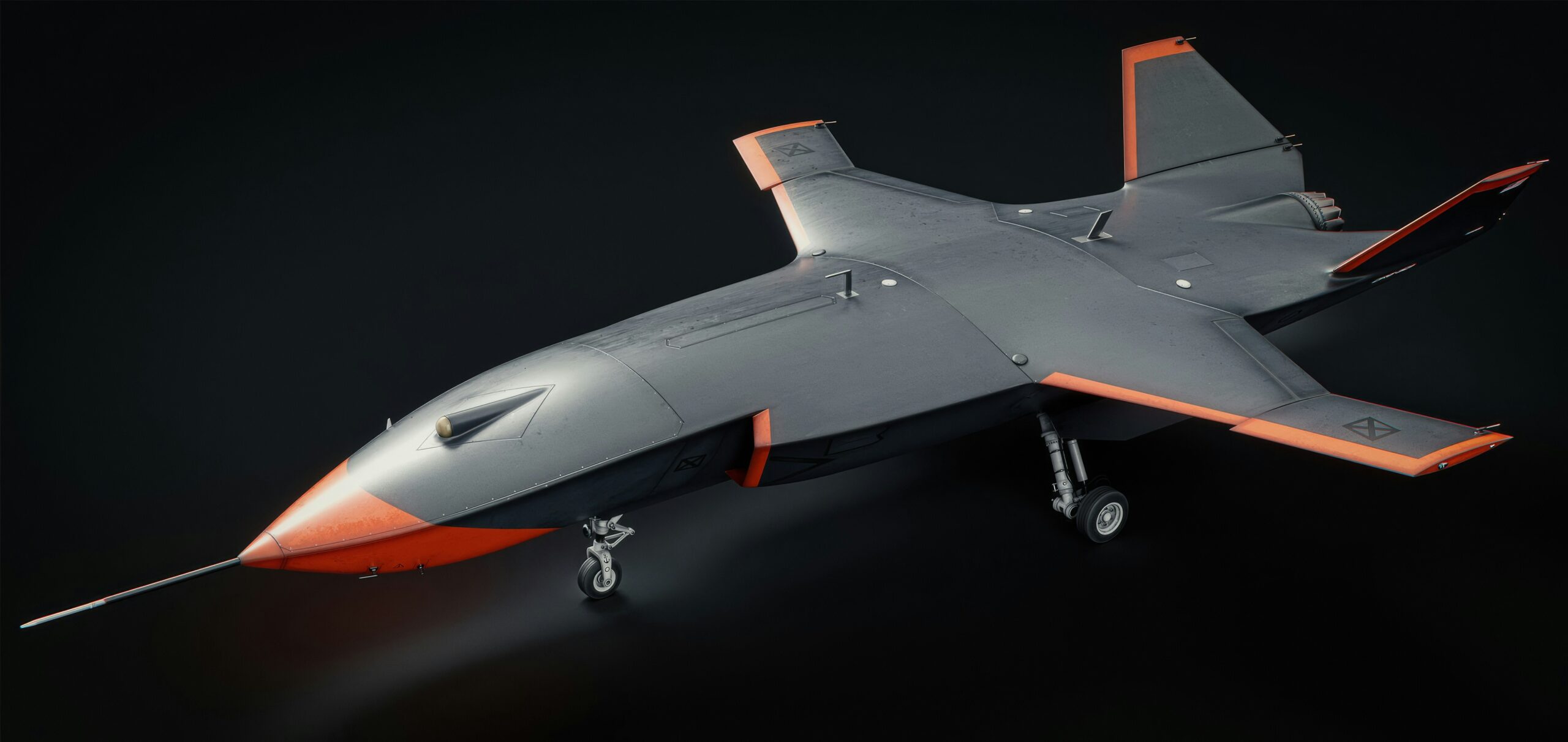
The Pentagon is expanding U.S. military involvement in Latin America’s drug war, using drones, intelligence and troops alongside regional forces in operations against suspected drug-trafficking networks.
SEO Keywords: Pentagon Latin America drug war, Trump drug war, U.S. military Latin America, drug cartels, Ecuador U.S. troops, Southern Command, MQ-9 Reaper drones, Latin America security, U.S. drug policy
The U.S. military is significantly expanding its role in the fight against drug-trafficking organizations across Latin America and the Caribbean, moving beyond maritime interdictions toward intelligence operations, drone surveillance and direct participation in ground raids.
The development represents a major change in how U.S. Southern Command is approaching counternarcotics operations under President Donald Trump. According to a new Wall Street Journal report, the Pentagon is increasingly working alongside Latin American security forces to track and disrupt suspected cartel networks.
The expanded strategy includes sophisticated military technology, increased cooperation with regional governments and the possible deployment of additional MQ-9 Reaper drones to Central and South America.
U.S. Troops Join Operations in Ecuador
One of the clearest examples of the changing strategy is Ecuador.
Around 50 U.S. military and law-enforcement personnel recently joined more than 300 Ecuadorian police officers in raids targeting an alleged cocaine-trafficking network with connections to Mexico's Jalisco New Generation Cartel, according to U.S. and Ecuadorian officials cited by The Wall Street Journal.
The operation involved drones and electronic-jamming equipment and represented a new level of direct U.S. participation in Ecuadorian police operations.
The development follows other U.S.-supported operations in Ecuador, including military assistance involving suspected drug-trafficking sites and maritime targets. Earlier reporting by the Journal also described American troops participating directly in Ecuadorian raids, highlighting the shift from traditional intelligence and training assistance toward a more operational military role.
For Washington, Ecuador has become an important security partner because of its geographic position between Colombia and Peru, two major cocaine-producing countries.
Pentagon Looks to Drones and Intelligence
Technology is becoming a central component of the expanded strategy.
Gen. Francis Donovan, commander of U.S. Southern Command, said the military faces difficult geographic conditions in Latin America, including dense jungle, rivers, mountains and severe weather. These conditions can make traditional surveillance significantly more difficult.
The Pentagon is therefore relying increasingly on drones, electronic intelligence and other systems capable of monitoring difficult-to-access areas.
The Journal reported that the Pentagon is considering moving MQ-9 Reaper drones from Africa to Central and South America. The aircraft can conduct surveillance, detect heat signatures and collect electronic communications, while also possessing precision-strike capabilities.
The increased reliance on drones comes as drug-trafficking organizations are also becoming more technologically sophisticated.
A recent Washington Post report said U.S. officials are increasingly concerned about cartel use of drones for surveillance and attacks. The report also described growing concerns about the transfer of battlefield drone expertise from conflicts such as the Russia-Ukraine war into Latin American criminal networks.
That creates a technological competition between U.S. forces and increasingly sophisticated criminal organizations.
From Boat Strikes to Ground Operations
The Pentagon's expanding role follows a year of U.S. military strikes against suspected drug-smuggling vessels in the Caribbean and eastern Pacific.
The maritime campaign has already generated significant controversy. CBS News reported in September that at least 231 people had been killed in 69 U.S. boat strikes since the campaign began approximately one year earlier. The U.S. military has said the vessels were connected to drug trafficking, while critics have questioned the evidence publicly released to substantiate some of those claims.
The administration has described the campaign as part of an armed conflict against drug-trafficking organizations and has used the term "narcoterrorists" for targeted groups.
The expansion onto land introduces a different dimension.
Instead of focusing primarily on suspected drug shipments at sea, U.S. personnel can now assist partner governments in identifying trafficking networks, locating facilities and supporting arrests or military operations.
Gen. Donovan said a range of possible actions could include strikes, arrests, raids on safe houses and increased use of cargo scanners at border crossings. His comments indicate that the administration is considering a broad approach designed to disrupt trafficking networks at multiple stages.
A Growing U.S. Security Network in Latin America
The Pentagon's strategy is also becoming increasingly multinational.
Washington has expanded security cooperation with several Latin American and Caribbean governments, including Colombia, Ecuador, Paraguay and Jamaica.
The State Department has also notified Congress of plans to redirect approximately $52 million in foreign military financing toward Colombia, Ecuador, Peru and Panama. The funding could help partner countries acquire U.S. military equipment and services.
The administration's broader objective is to encourage regional governments to take a greater role in combating organized crime while providing them with U.S. intelligence, equipment and operational support.
This approach differs from earlier U.S. counternarcotics strategies that placed greater emphasis on training, intelligence sharing, interdiction and law-enforcement cooperation.
Legal Questions Surround the Military Campaign
The expanding military role is also generating legal questions.
Trump administration officials have argued that the United States is engaged in an armed conflict with drug cartels. Legal experts and some lawmakers have disputed that interpretation and questioned whether Congress has authorized a broader military conflict against drug-trafficking organizations.
Those questions could become more significant if U.S. military operations increasingly move from maritime strikes and intelligence support into direct ground combat.
The issue is particularly important because the U.S. military has historically maintained a relatively limited combat role in Latin America compared with its operations in regions such as the Middle East.
The Pentagon's current approach could therefore establish a new model for U.S. security cooperation in the Western Hemisphere.
Why Ecuador Matters
Ecuador illustrates both the opportunities and risks of the strategy.
The country has experienced severe violence associated with organized crime and drug trafficking. Its location between Colombia and Peru has made it an important transit point for cocaine shipments.
President Daniel Noboa's government has sought greater international assistance against criminal organizations and has developed closer security cooperation with Washington.
For the United States, Ecuador provides a potential model for combining American intelligence, surveillance technology and military capabilities with local police and armed forces.
The question is whether that model will remain limited to support and training or evolve into a wider U.S. operational presence across the region.
A New Phase for U.S. Drug Policy
The Pentagon's expanded involvement marks an important development in the Trump administration's approach to international drug trafficking.
The strategy increasingly treats powerful criminal organizations as security threats requiring military capabilities rather than solely as targets for traditional law enforcement.
That means drones, intelligence networks, special operations capabilities and military partnerships are becoming increasingly important tools in the U.S. counternarcotics strategy.
At the same time, the approach raises questions about effectiveness, civilian risks, international law and the long-term role of the U.S. military in Latin America.
Drug-trafficking organizations have repeatedly adapted to enforcement pressure by changing routes, transportation methods and technology. Recent reporting on cartel drone capabilities illustrates how quickly criminal networks can respond to new military tactics.
The Pentagon's challenge will therefore be not only to disrupt existing trafficking networks but also to prevent those organizations from adapting faster than governments can respond.
What Comes Next?
The coming months could determine how far the U.S. military's expanded role ultimately extends.
If additional Latin American governments seek American military assistance, Washington could develop a much broader regional security network focused on intelligence sharing, drone surveillance, maritime operations and joint raids.
However, any expansion of direct U.S. military involvement is likely to receive greater scrutiny from Congress, legal experts, governments in the region and human-rights organizations.
For now, the Pentagon's strategy signals a significant shift: America's fight against drug trafficking in Latin America is increasingly becoming a military and technological campaign rather than a traditional law-enforcement effort.
Financial and geopolitical disclaimer: This article is for news and informational purposes only. It does not constitute investment, legal or political advice. Developments involving U.S. foreign policy, military operations and Latin American governments can change rapidly.




0 Comments